WINTER
JANUARY
Prune Wisteria
Wisteria should be pruned twice a year to maximise flowering and to keep its size and spread under control.
In January and February, cut back shoots to two or three buds.
Older plants may need more extensive pruning. Long, worn-out branches can be cut back quite severely, aiming for a framework of reasonably spaced, strong branches.
Bear in mind that hard pruning stimulates new growth. If you don’t want to encourage this, avoid feeding in spring.
Cut Back in Beds
Over winter, you may have left some grasses to provide winter interest in your garden, and they may be looking tired.
If this is the case, then it is a good time to either cut out dead foliage or install support hoops to retain structure.
It is also a good idea to cut back hellebore leaves to help control leaf diseases and expose their flowers.
Cleaning Greenhouse Glass
Greenhouse hygiene is essential to reduce the possibility of pest and disease issues in the growing season.
Winter is a good time to give everything a good clean! Not only will this help with reducing infection risks, but the clean glass will also allow more light in, giving you a head start into the new year!
Laying Turf
As long as there is no heavy frost or snow, January is a fine time to work on repairing an old lawn or laying a new one.
If there are any bumps or dips, you can use your spade to cut a H shape, peel back the turf, and either remove or add topsoil. Then, re-lay the turf and press down the edges firmly together.
Lawn laid in January will require much less watering to establish.
Prune Fruit Trees
February is usually the right time to prune apples, pears, quinces, and medlar. Pruning is done to improve the tree’s health, form and yield. Start by removing damaged, diseased, and crossing stems. Aim for an open goblet form to allow light and air to flow freely.
Maintenance on structures
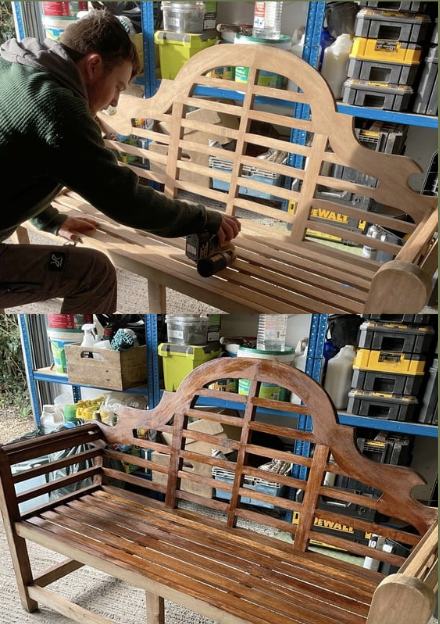
If the weather is dry, now could be a good time to build, repair, or treat garden furniture or structures such as arches, pergolas, or decking.
Wash your wooden furniture and treat it with an oil, wood stain or paint. Rust-preventing paint can be used on metal furniture.
NET FRUIT AND VEGETABLES
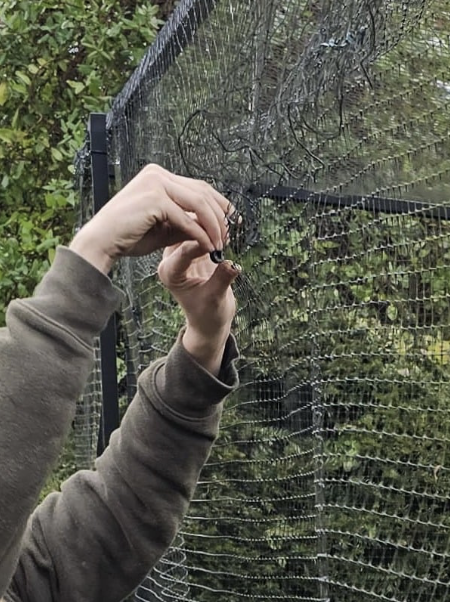
If you have fruit and vegetable crops, it may be worth installing netting around them to keep hungry birds out.
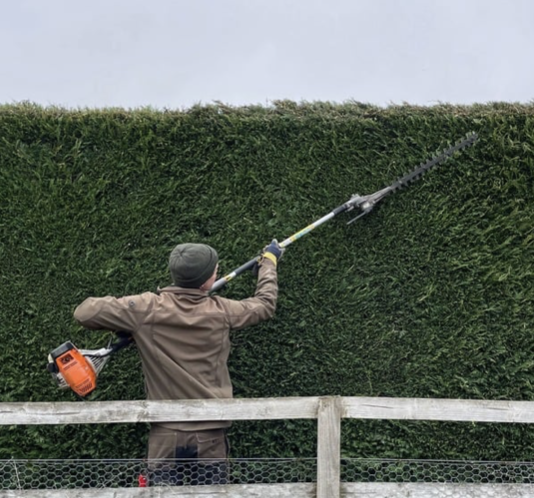
Trim Evergreen Hedges
Most evergreen hedges (including privet, laurel, and box) can be pruned at least twice a year.
More frequent pruning promotes denser growth. A trim in late winter, while there’s less to do in the garden, is a good idea, and also means you won’t run the risk of disturbing any birds that might make a home of your hedge in the coming months.