January in the garden
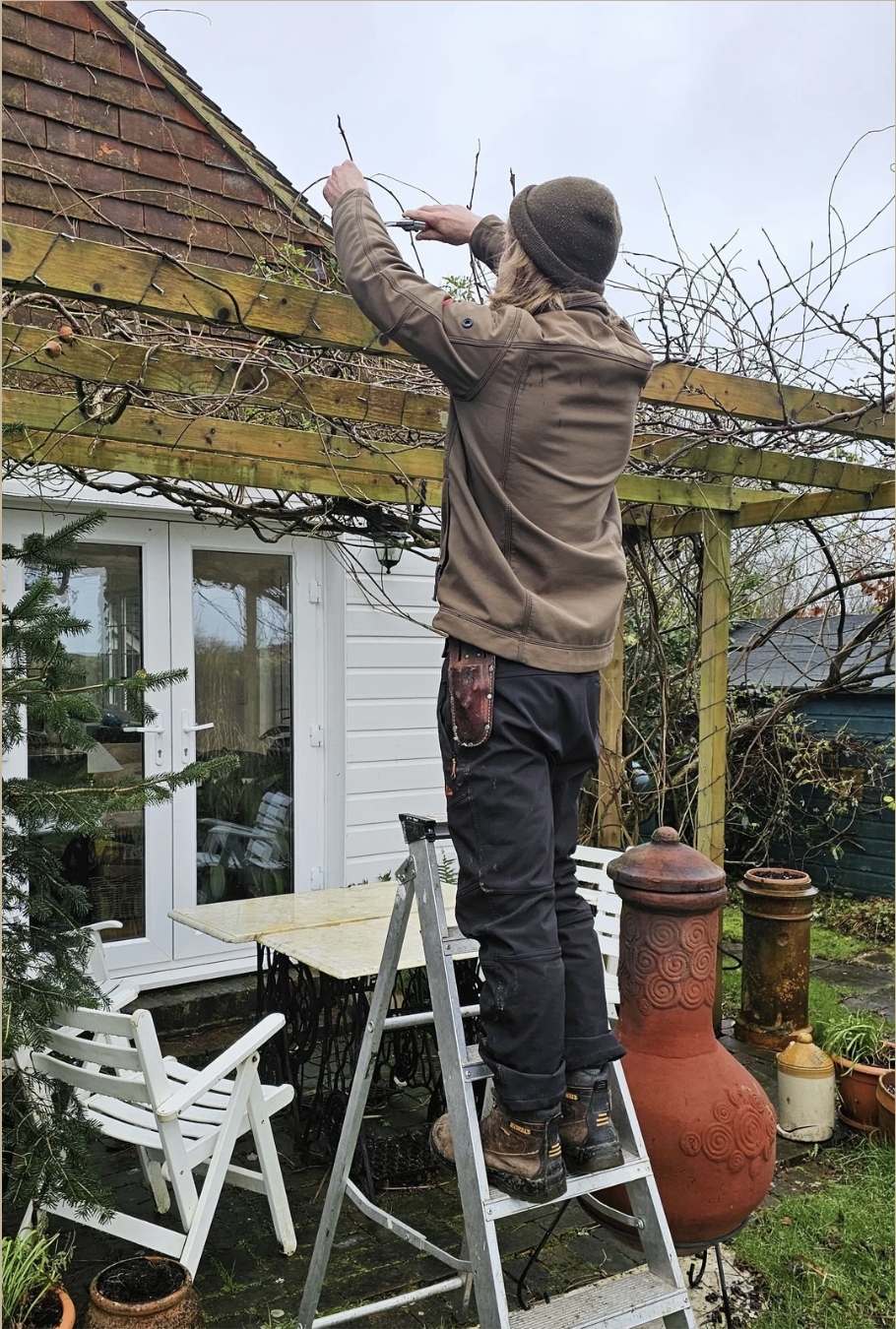
1. Prune Wisteria
Wisteria should be pruned twice a year to maximise flowering and to keep its size and spread under control.
In January and February, cut back shoots to two or three buds.
Older plants may need more extensive pruning. Long, worn-out branches can be cut back quite severely, aiming for a framework of reasonably spaced, strong branches.
Bear in mind that hard pruning stimulates new growth. If you don’t want to encourage this, avoid feeding in spring.
2. Cut Back in Beds
Over winter, you may have left some grasses to provide winter interest in your garden, and they may be looking tired.
If this is the case, then it is a good time to either cut out dead foliage or install support hoops to retain structure.
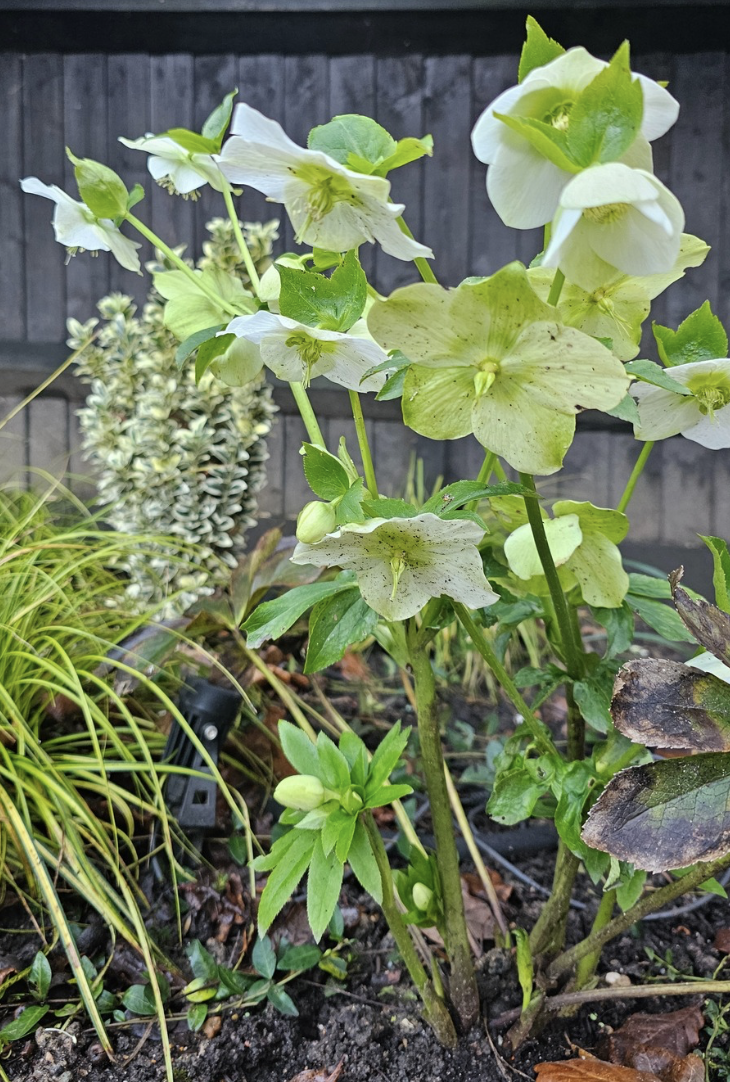
It is also a good idea to cut back hellebore leaves to help control leaf diseases and expose their flowers.
3. Cleaning Greenhouse Glass
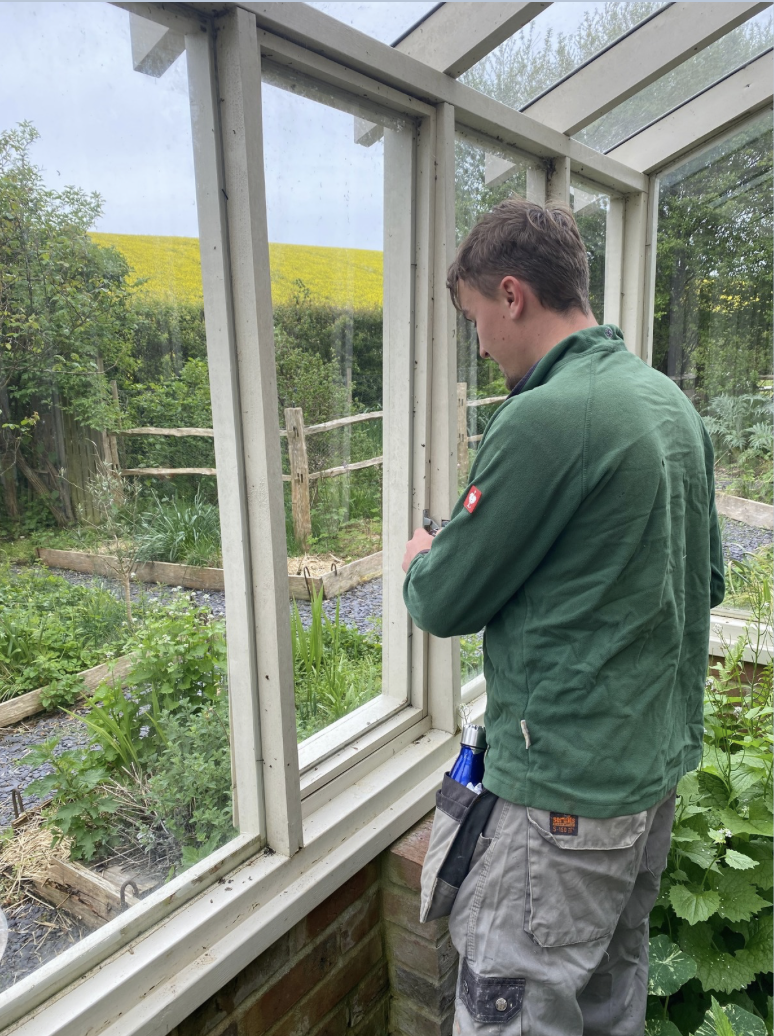
Greenhouse hygiene is essential to reduce the possibility of pest and disease issues in the growing season.
Winter is a good time to give everything a good clean! Not only will this help with reducing infection risks, but the clean glass will also allow more light in, giving you a head start into the new year!
4. Laying Turf
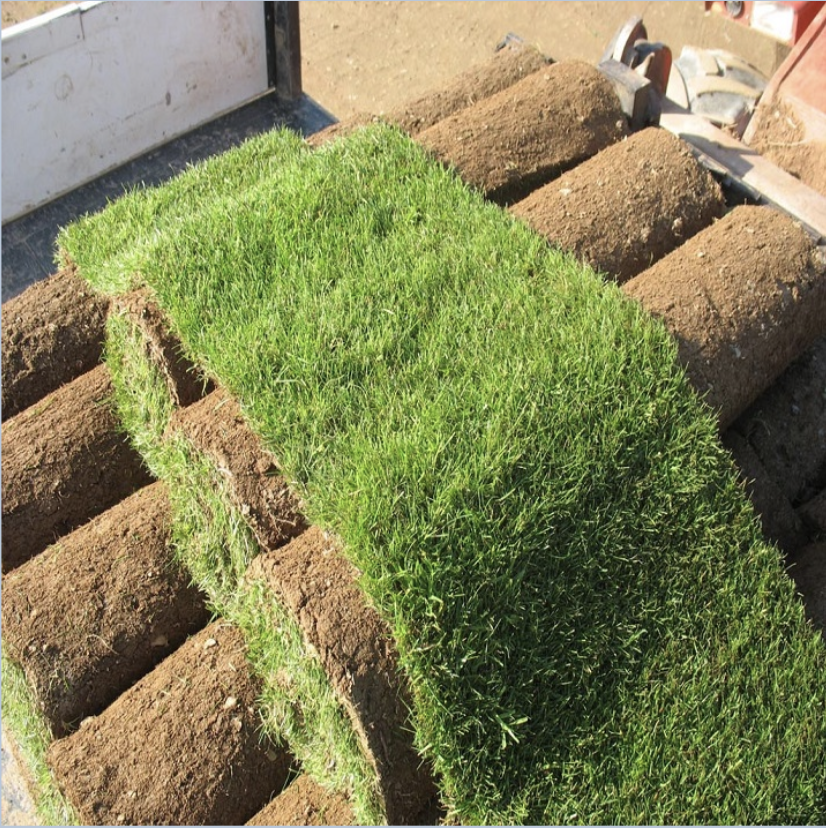
As long as there is no heavy frost or snow, January is a fine time to work on repairing an old lawn or laying a new one.
If there are any bumps or dips, you can use your spade to cut a H shape, peel back the turf, and either remove or add topsoil. Then, re-lay the turf and press down the edges firmly together.
Lawn laid in January will require much less watering to establish.

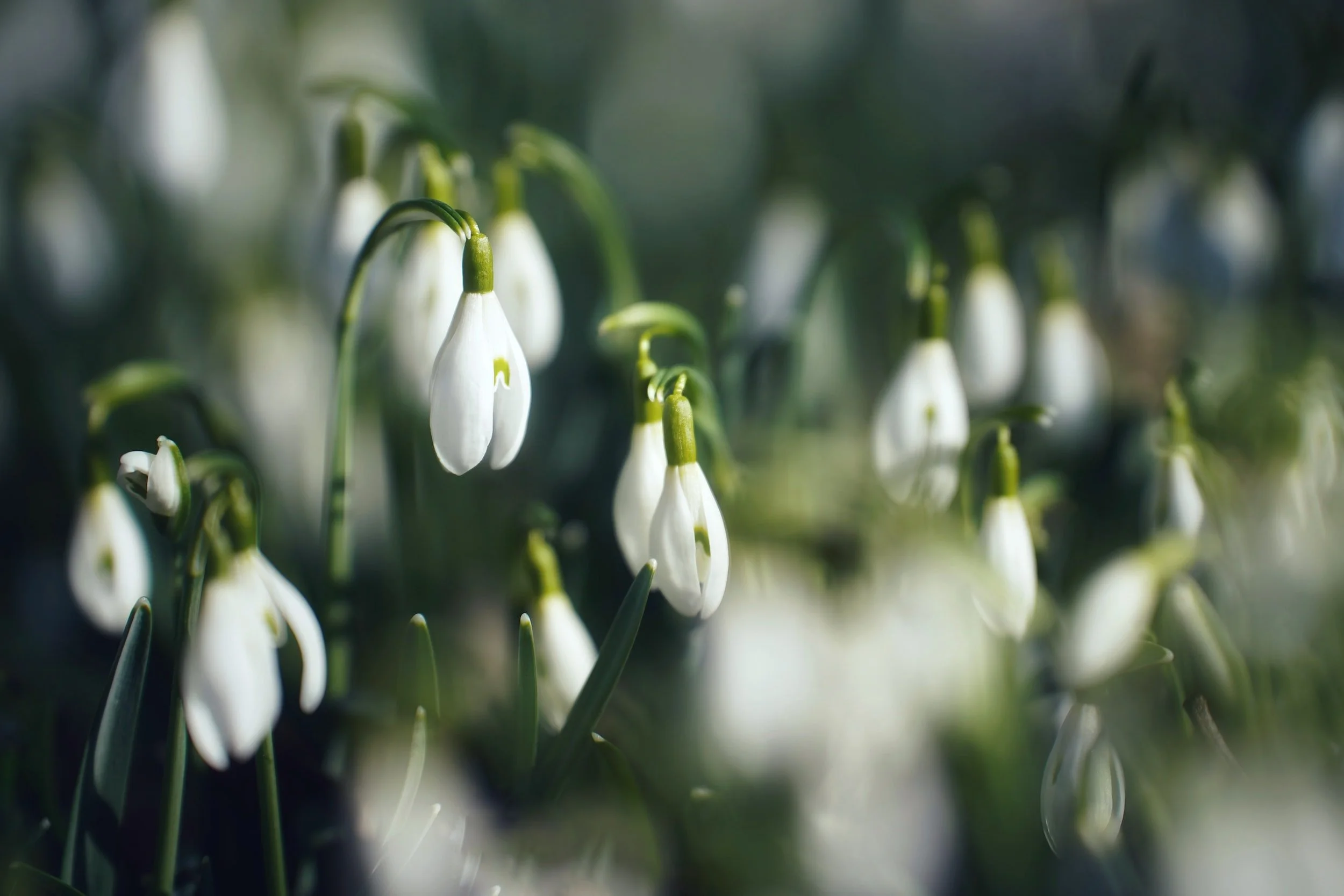
GALANTHUS
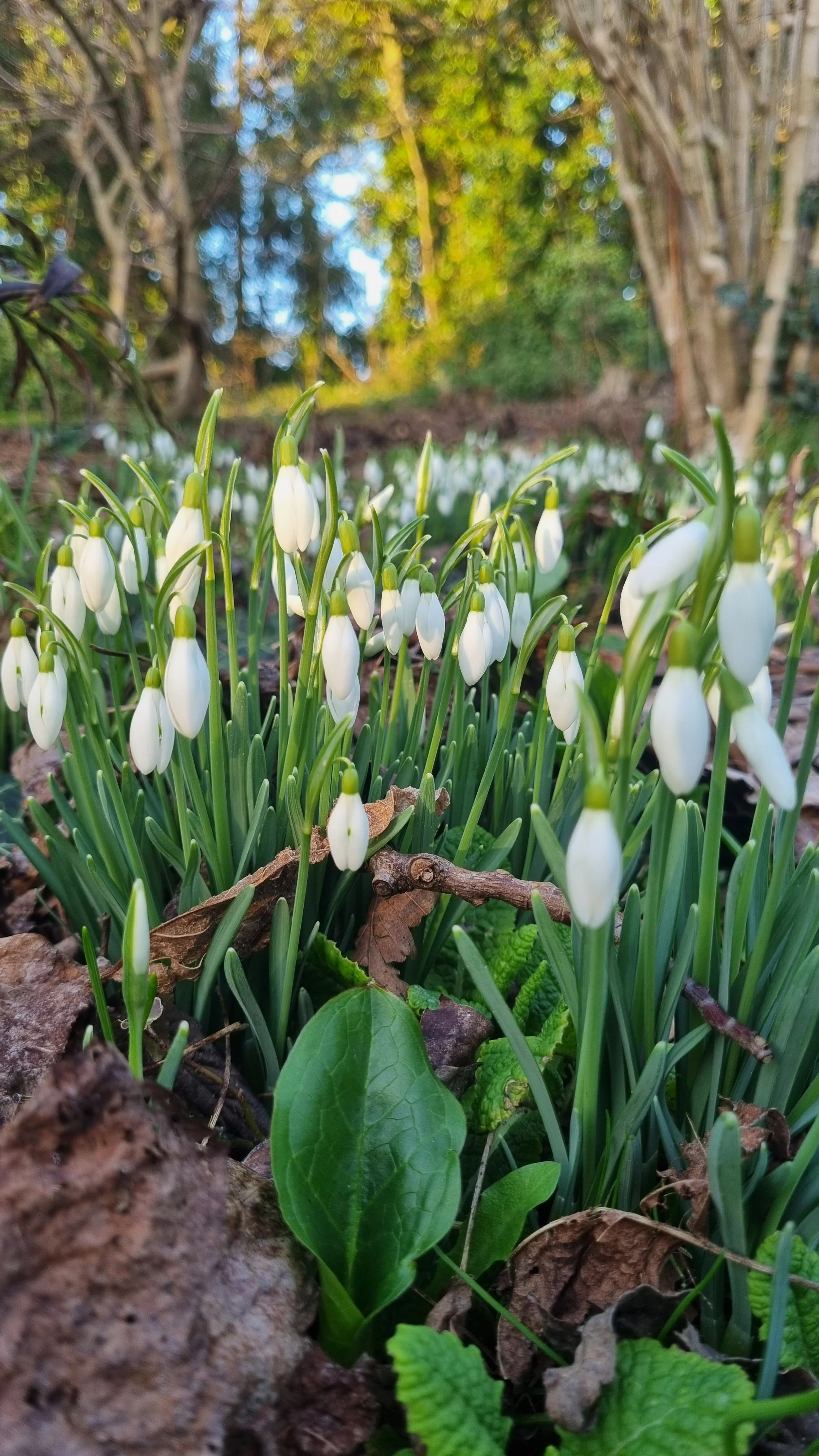
Snowdrops are the iconic and a welcome sign that Spring is on its way. Often appearing first in January, these delicate bulbs are very low maintenance, growing in most soil types, and will naturalise over time.
Looking their best when planted en masse.
Snowdrops perform well in shady borders, woodland settings and even pots.
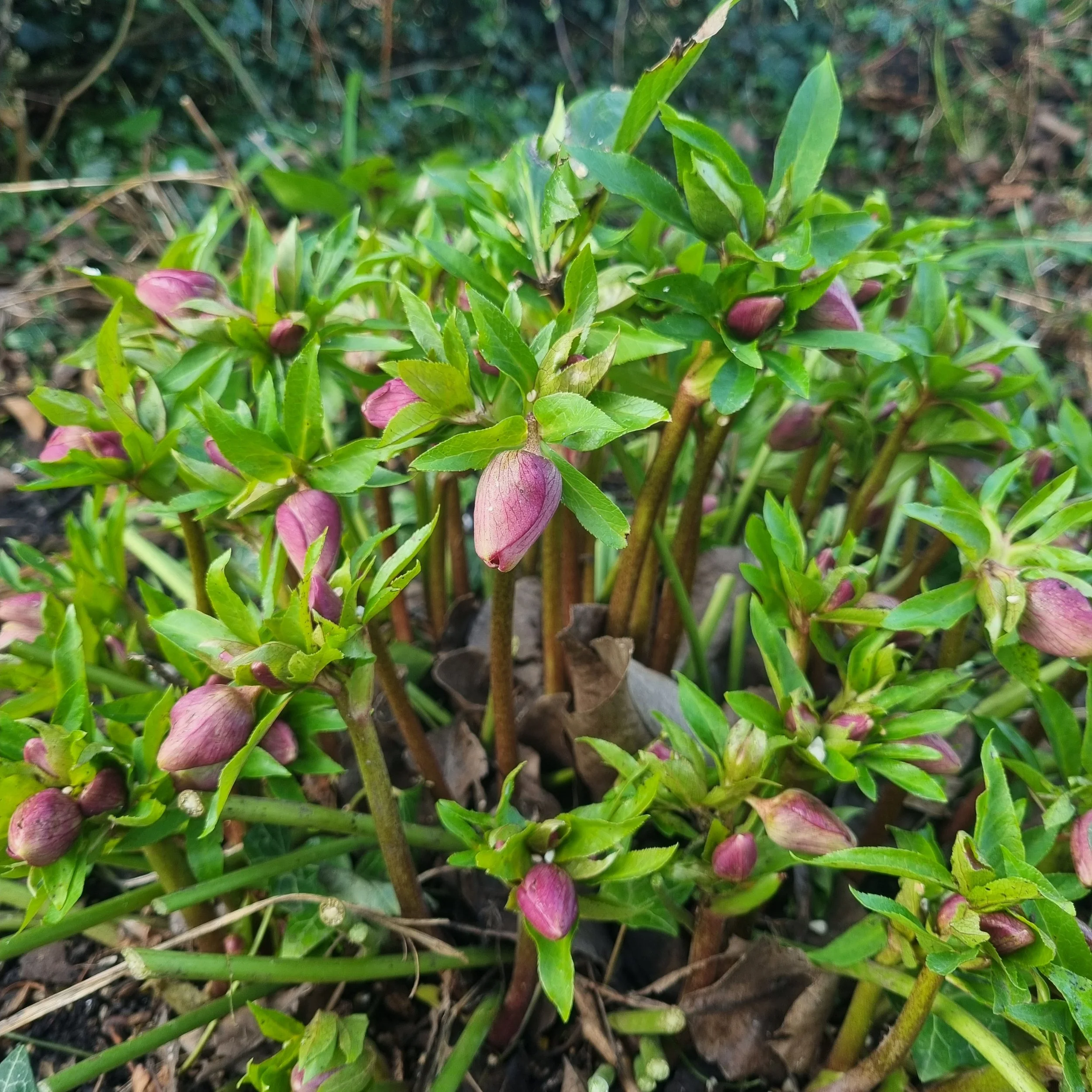
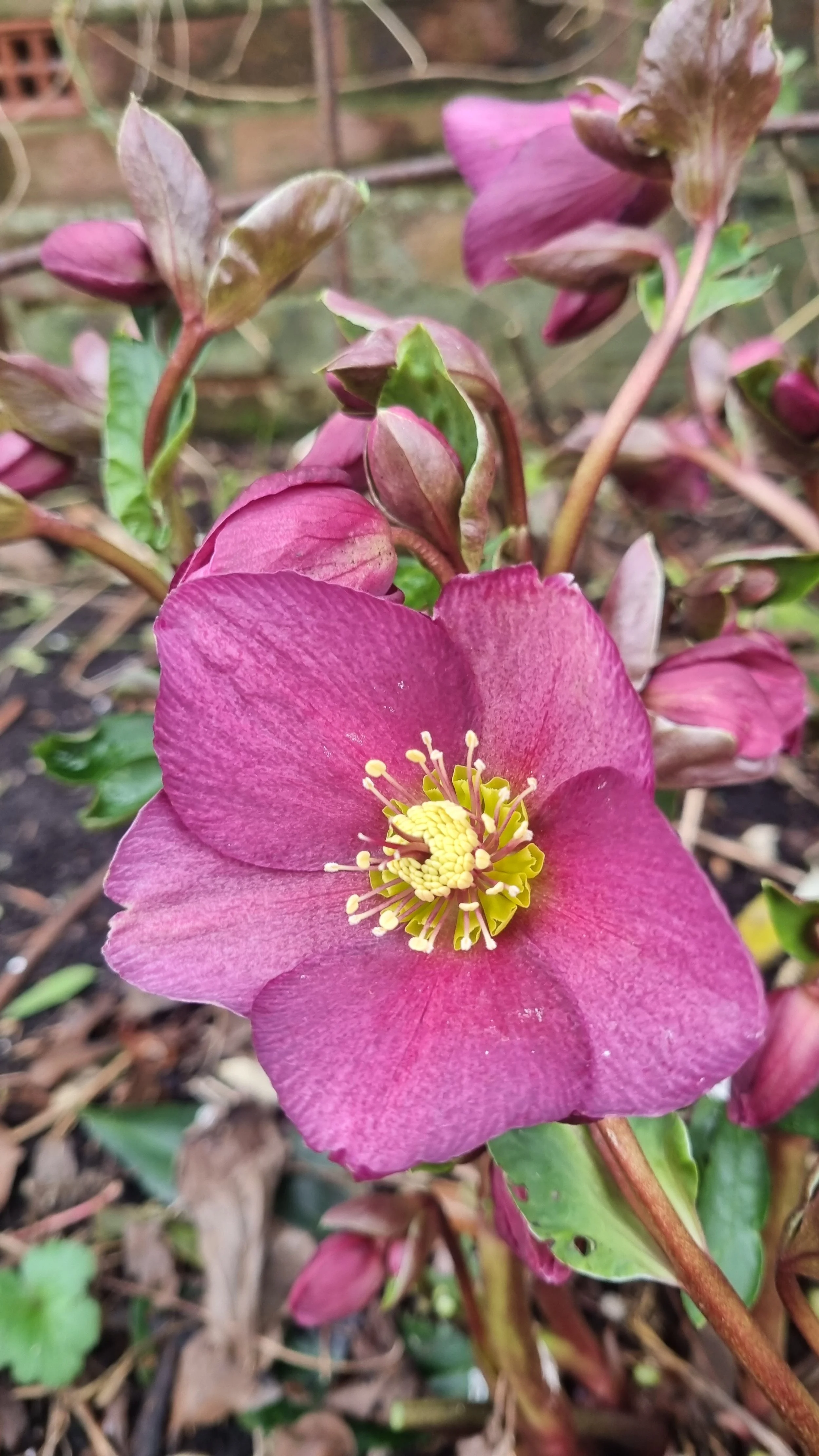
HELLEBORUS
Hellebores are a fantastic way of adding winter interest to a planting scheme.
They are greatly appreciated for their diversity of colourful blooms in an otherwise quiet period of the year, large flowers, long flowering period and lush leathery green foliage.
Easy to work into designs; they are generally fine in most soil types, prefer a little shade, but can cope in the sun. Just avoid very wet or very dry soil. Always check the species of choice.
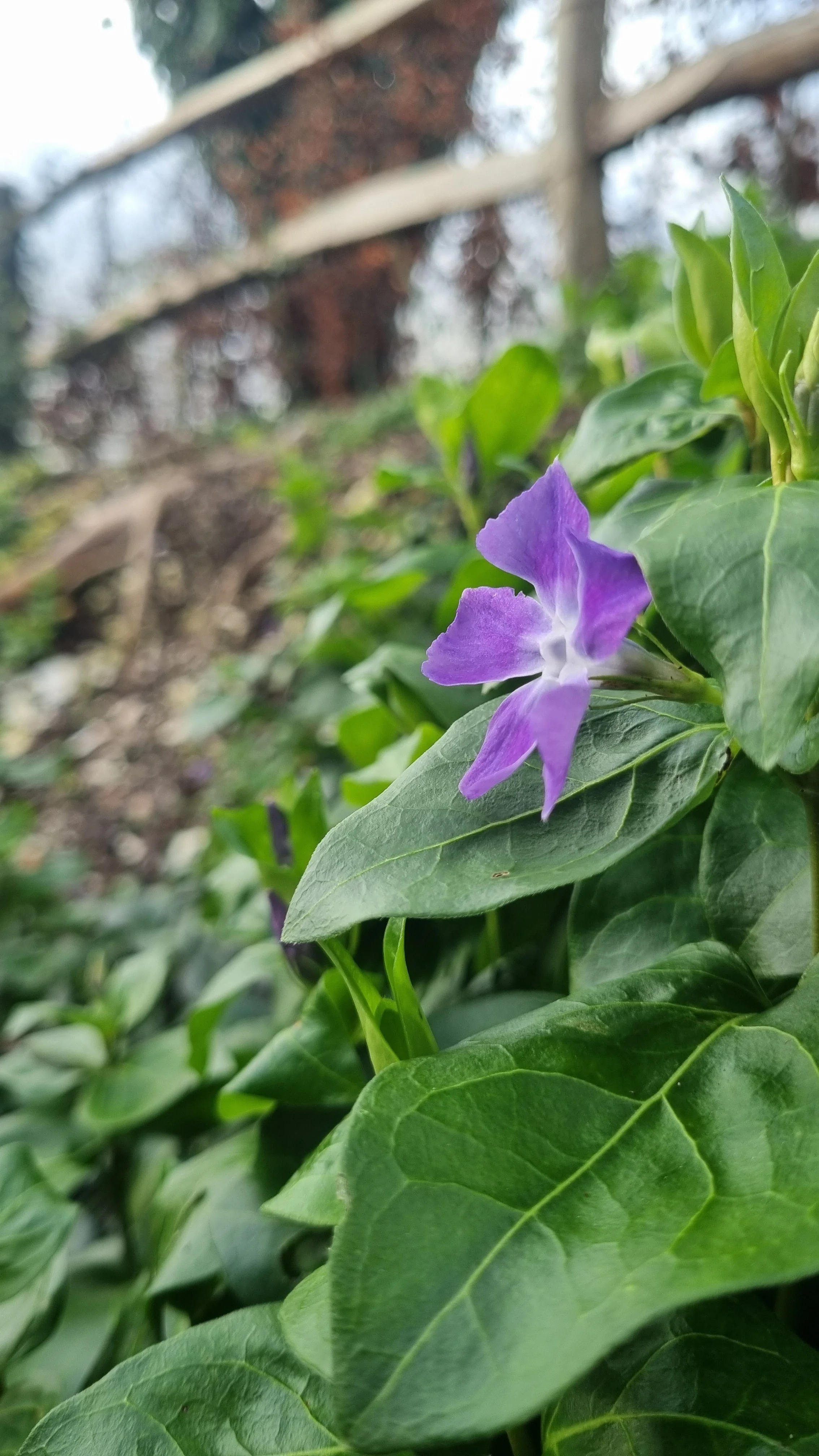
VINCA
They are greatly appreciated for their diversity of colourful blooms in an otherwise quiet period of the year, large flowers, long flowering period and lush leathery green foliage.
Easy to work into designs; they are generally fine in most soil types, prefer a little shade, but can cope in the sun. Just avoid very wet or very dry soil. Always check the species of choice.
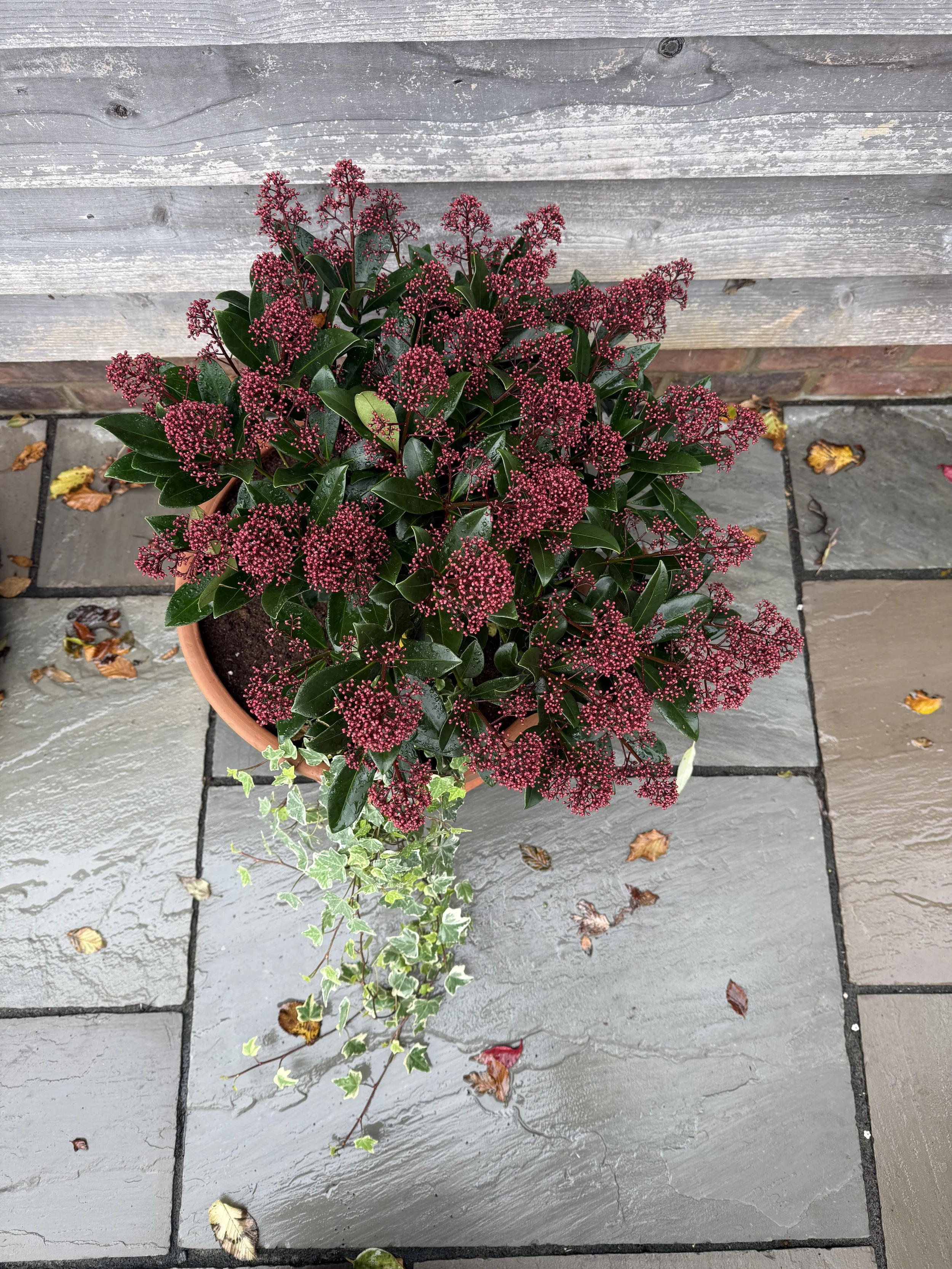
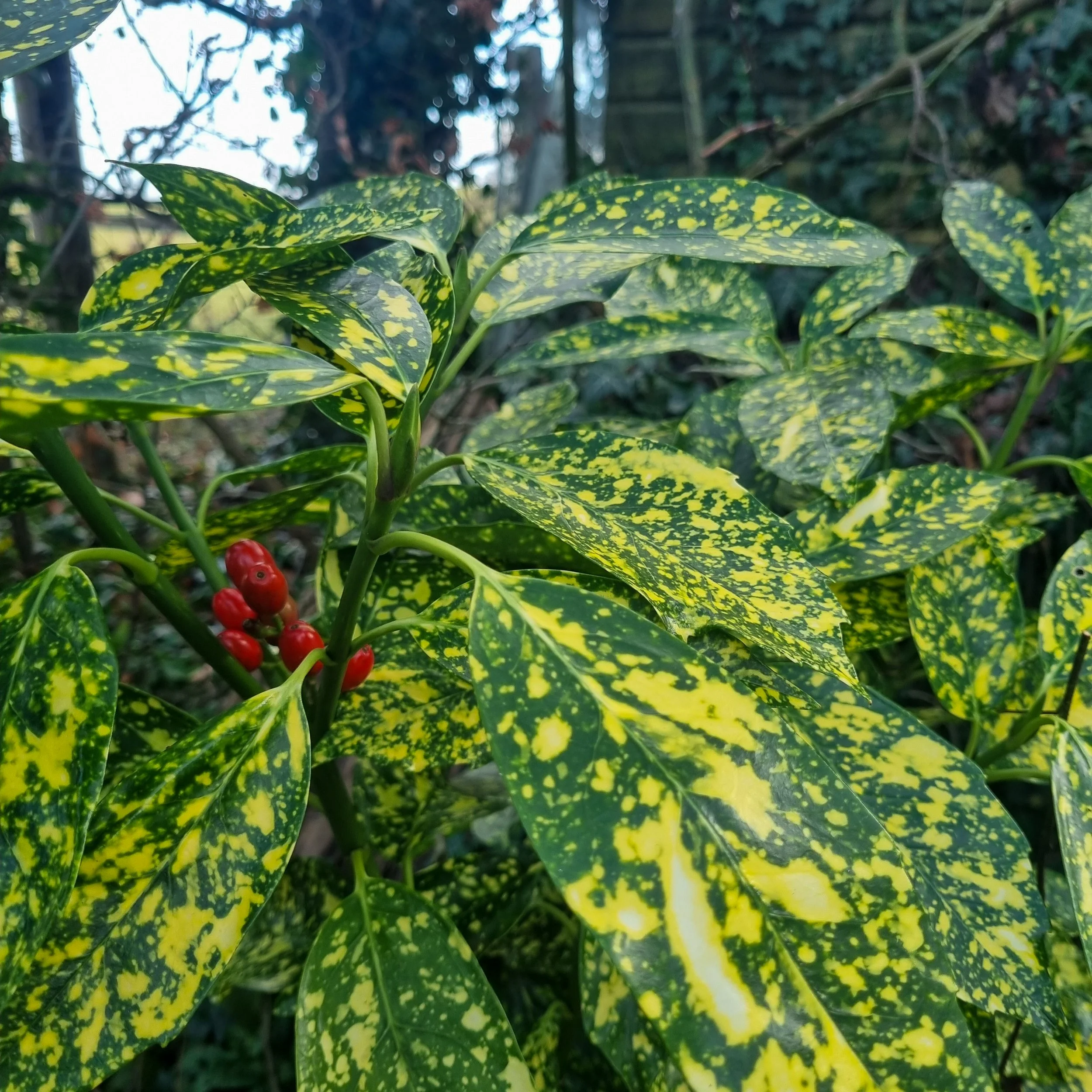
SKIMMIA JAPONICA
A tough, dome-shaped evergreen shrub that looks good all year round. It can grow to around 5 metres tall and really shines in winter, when it’s covered in clusters of pink buds that open into pretty white flowers in spring.Later in the year, it produces bright red berries that add a gorgeous pop of colour through autumn and winter.
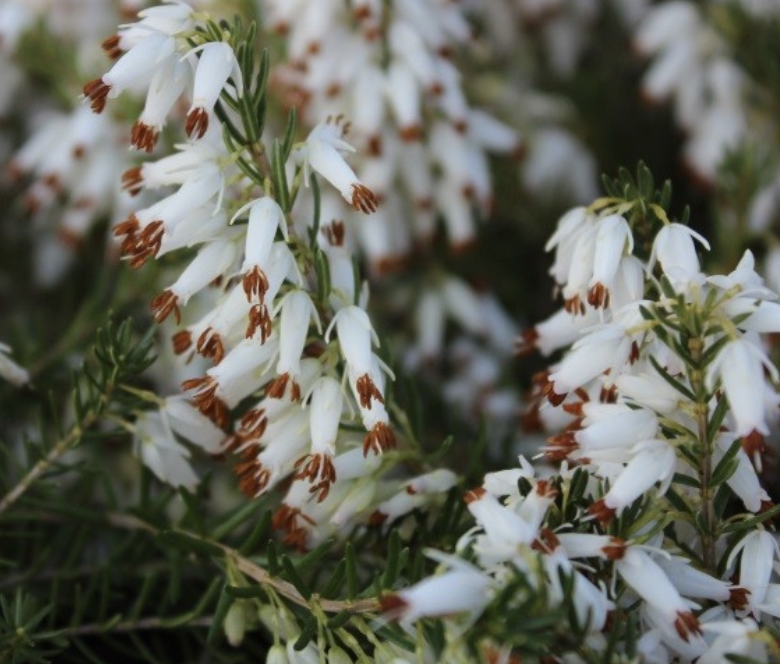
ERICA CARNEA
A robust, slightly trailing evergreen shrub that grows to around 20cm in height and 45cm wide. It is covered in dense spires of white flowers from winter to mid spring.
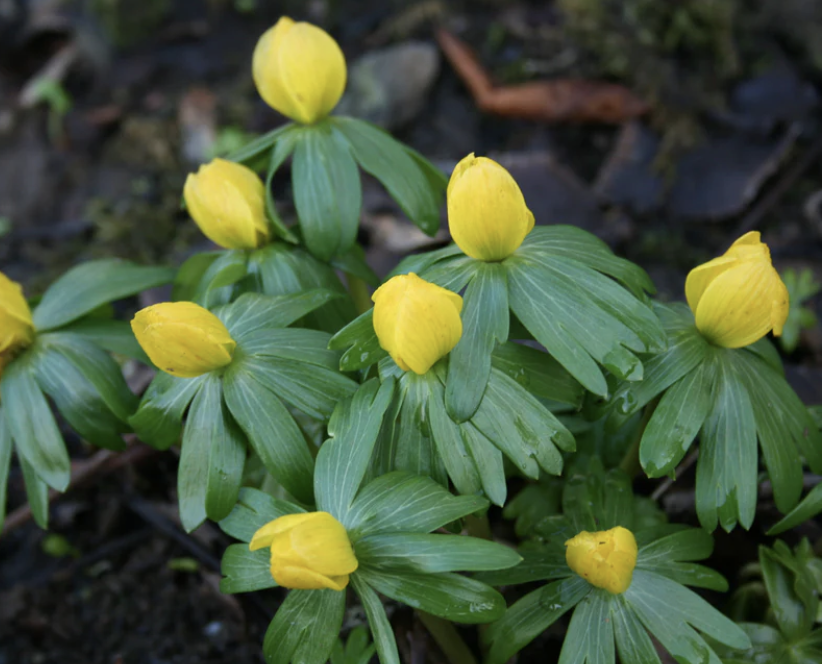
ERANTHIS HYEMALIS
A robust, slightly trailing evergreen shrub that grows to around 20cm in height and 45cm wide. It is covered in dense spires of white flowers from winter to mid spring.
PLANTS FOR WINTER INTEREST
-
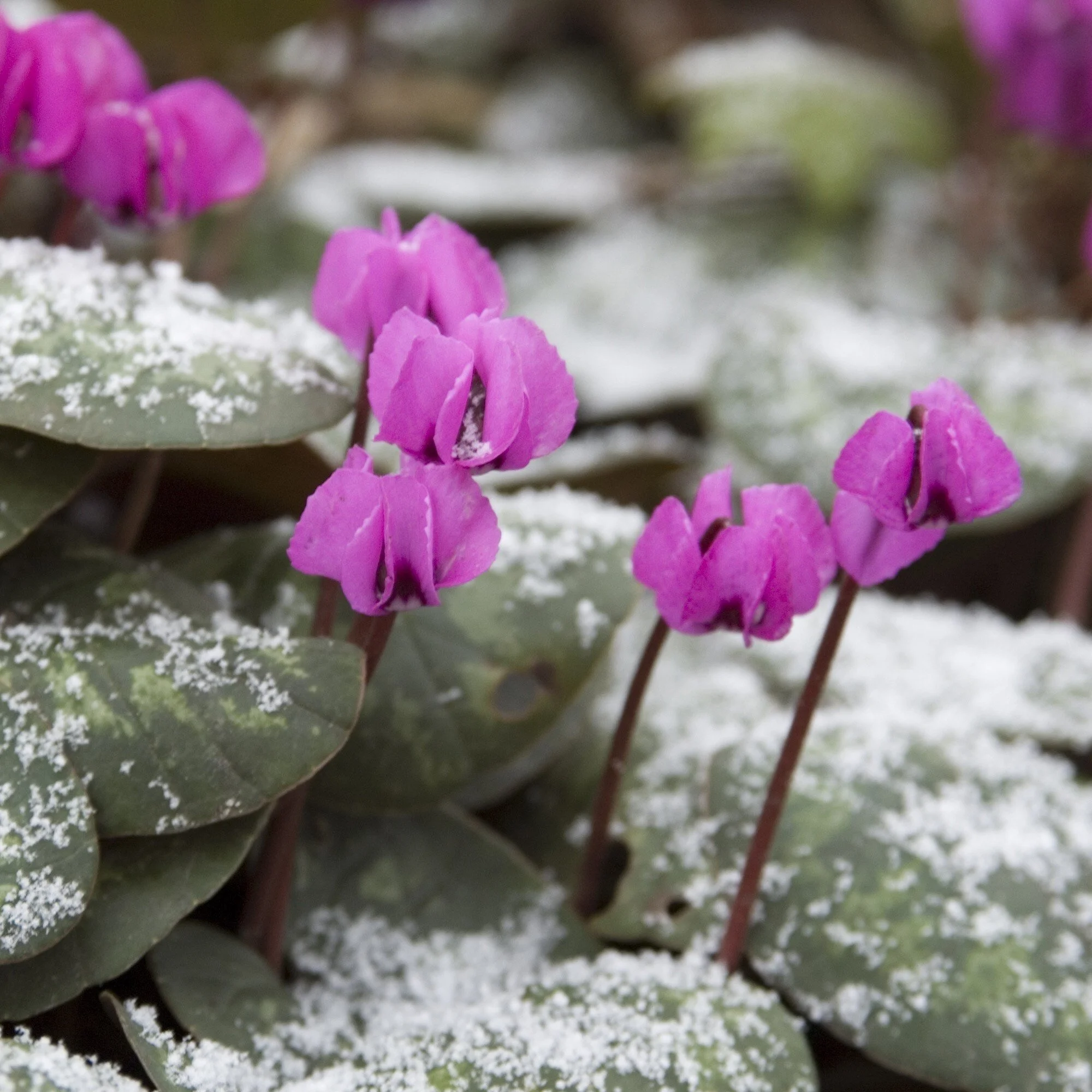
![Cyclamen coum]()
Cyclamen coum
-
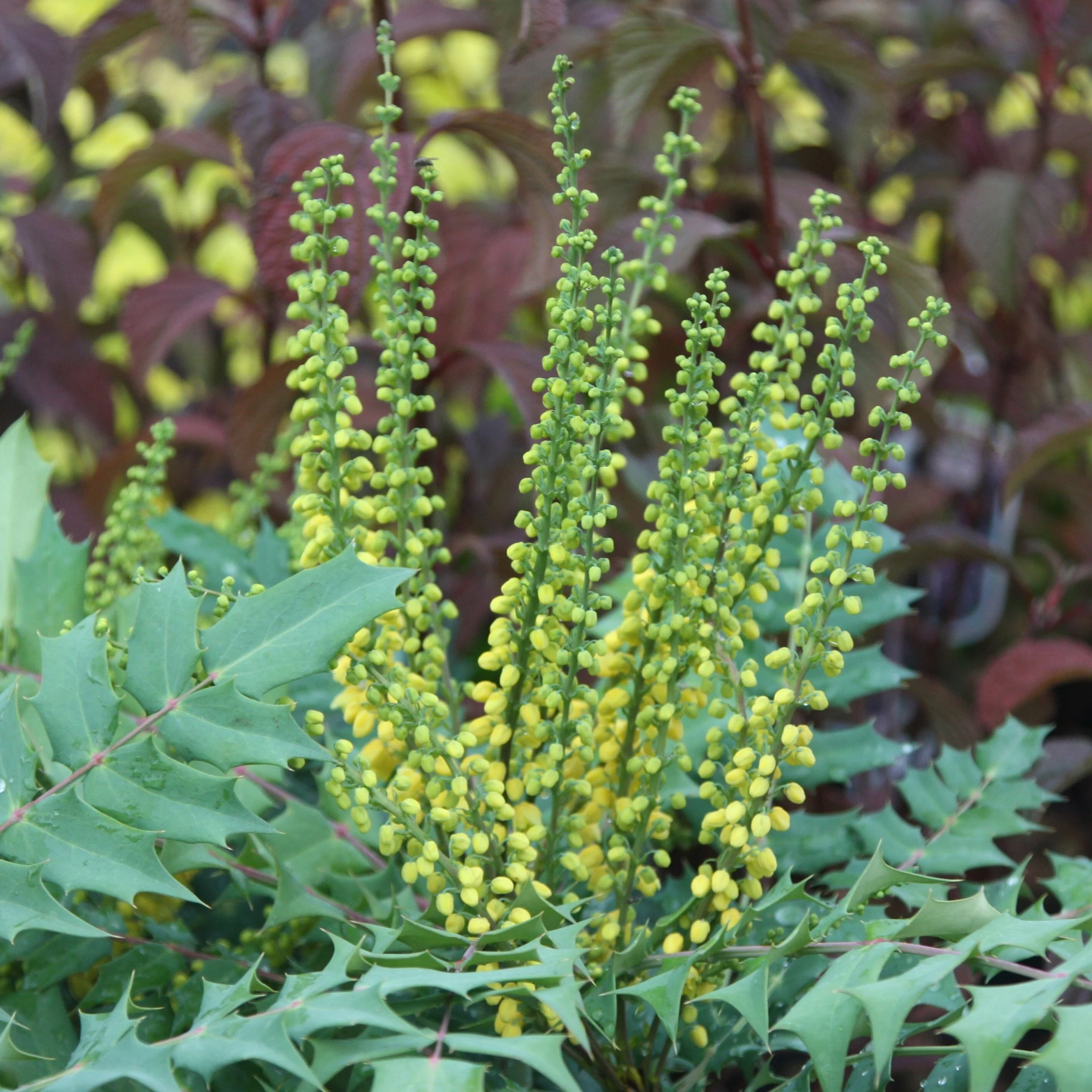
![]()
Mahonia × media 'Winter Sun'
-
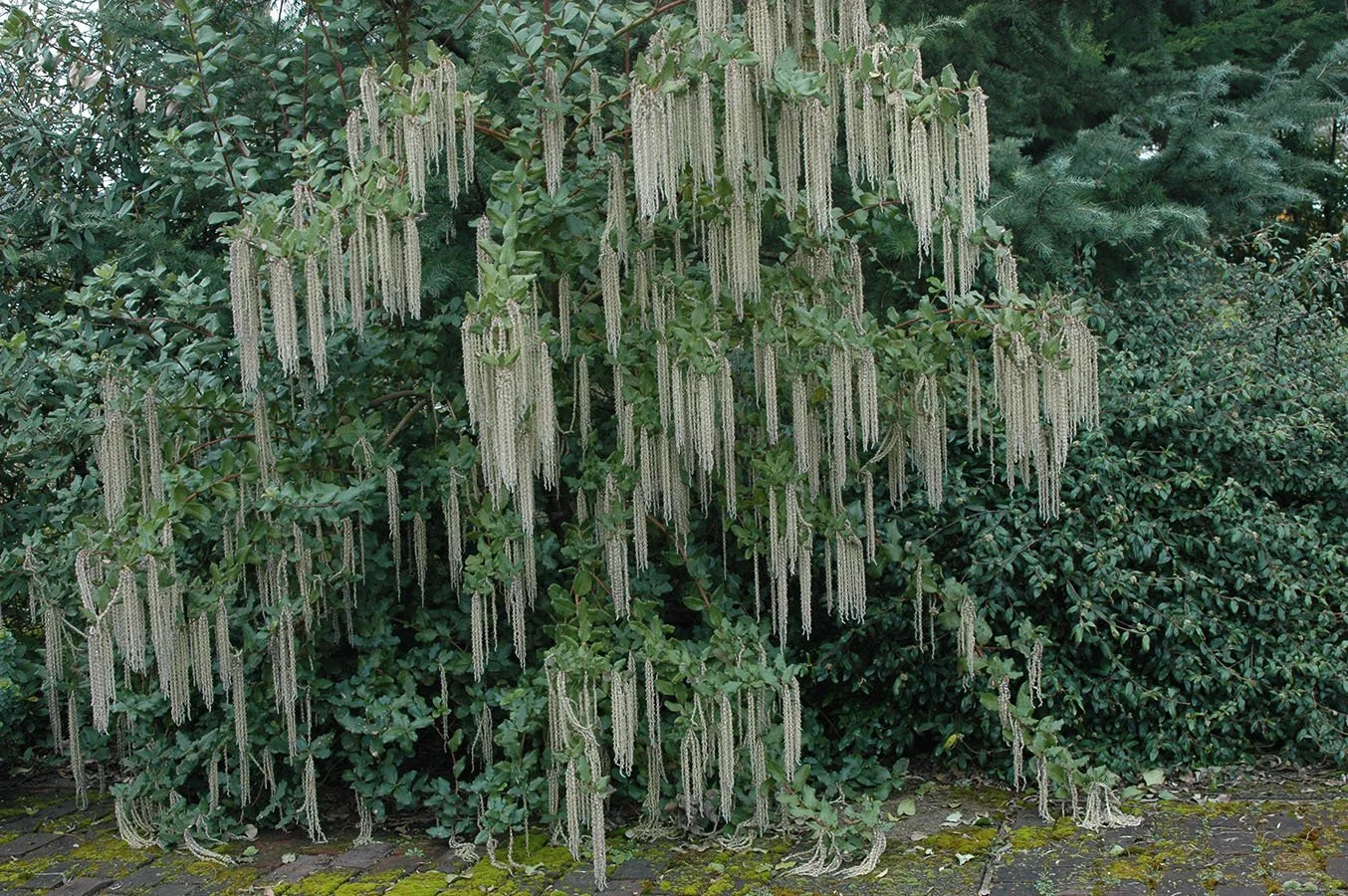
![]()
Garrya elliptica 'James Roof'
-
![Cornus sanguinea 'Midwinter Fire']()
Cornus sanguinea 'Midwinter Fire'
-
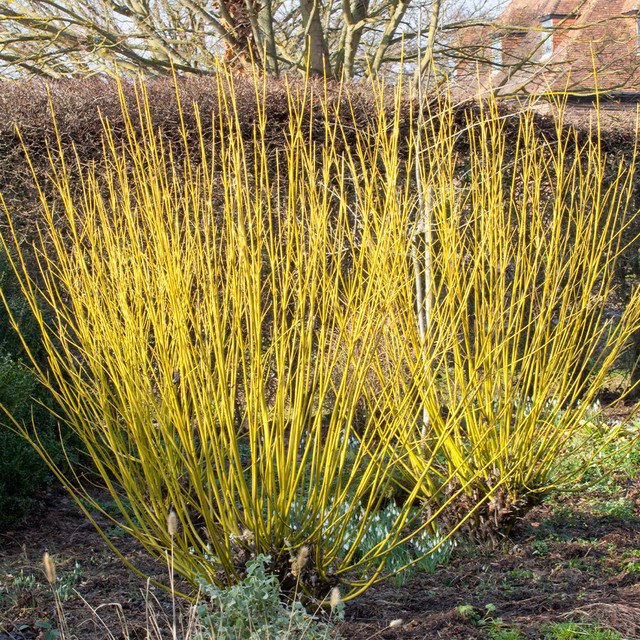
![Cornus sericea 'Flaviramea']()
Cornus sericea 'Flaviramea'
-
![Cornus alba 'Sibirica']()
Cornus alba 'Sibirica'
-
![Hamamelis × intermedia 'Jelena']()
Hamamelis × intermedia 'Jelena'
-
![Viburnum × bodnantense 'Dawn']()
Viburnum × bodnantense 'Dawn'
-
![Helleborus]()
Helleborus
-
![Aucuba japonica]()
Aucuba japonica
-
![]()
Galanthus nivalis