february in the garden
1. Prune Fruit Trees
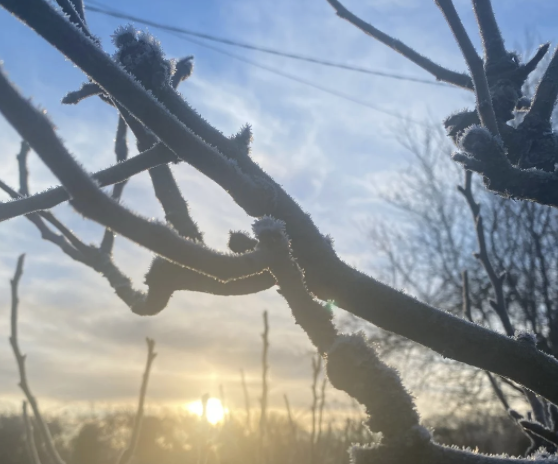
February is usually the right time to prune apples, pears, quinces, and medlar. Pruning is done to improve the tree’s health, form and yield. Start by removing damaged, diseased, and crossing stems. Aim for an open goblet form to allow light and air to flow freely.
2. Maintenance on structures
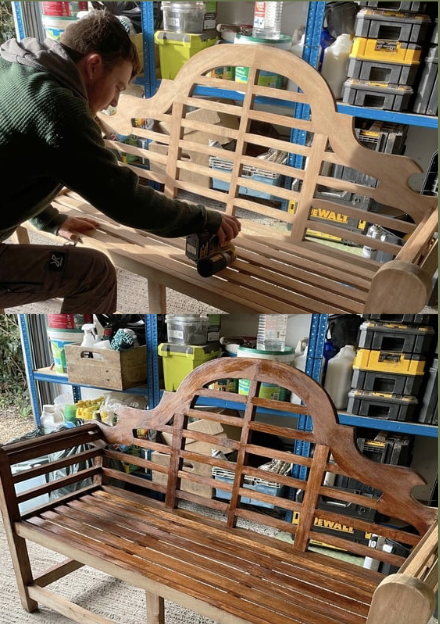
If the weather is dry, now could be a good time to build, repair, or treat garden furniture or structures such as arches, pergolas, or decking.
Wash your wooden furniture and treat it with an oil, wood stain or paint. Rust-preventing paint can be used on metal furniture.
3. NET FRUIT AND VEGETABLES
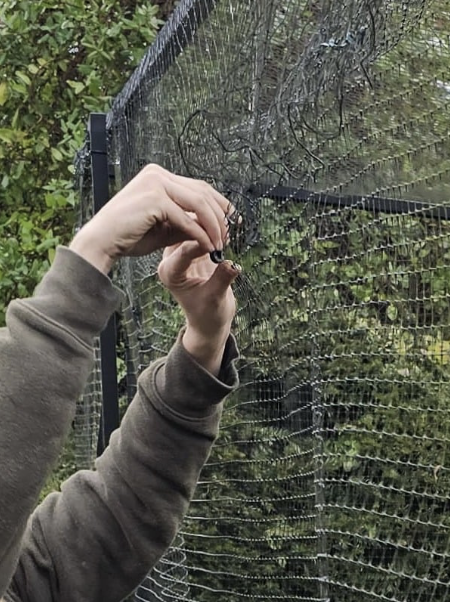
If you have fruit and vegetable crops, it may be worth installing netting around them to keep hungry birds out.
4. Trim Evergreen Hedges
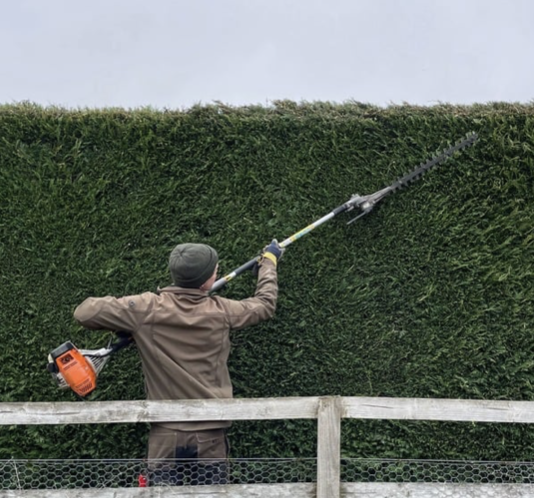
Most evergreen hedges (including privet, laurel, and box) can be pruned at least twice a year.
More frequent pruning promotes denser growth. A trim in late winter, while there’s less to do in the garden, is a good idea, and also means you won’t run the risk of disturbing any birds that might make a home of your hedge in the coming months.

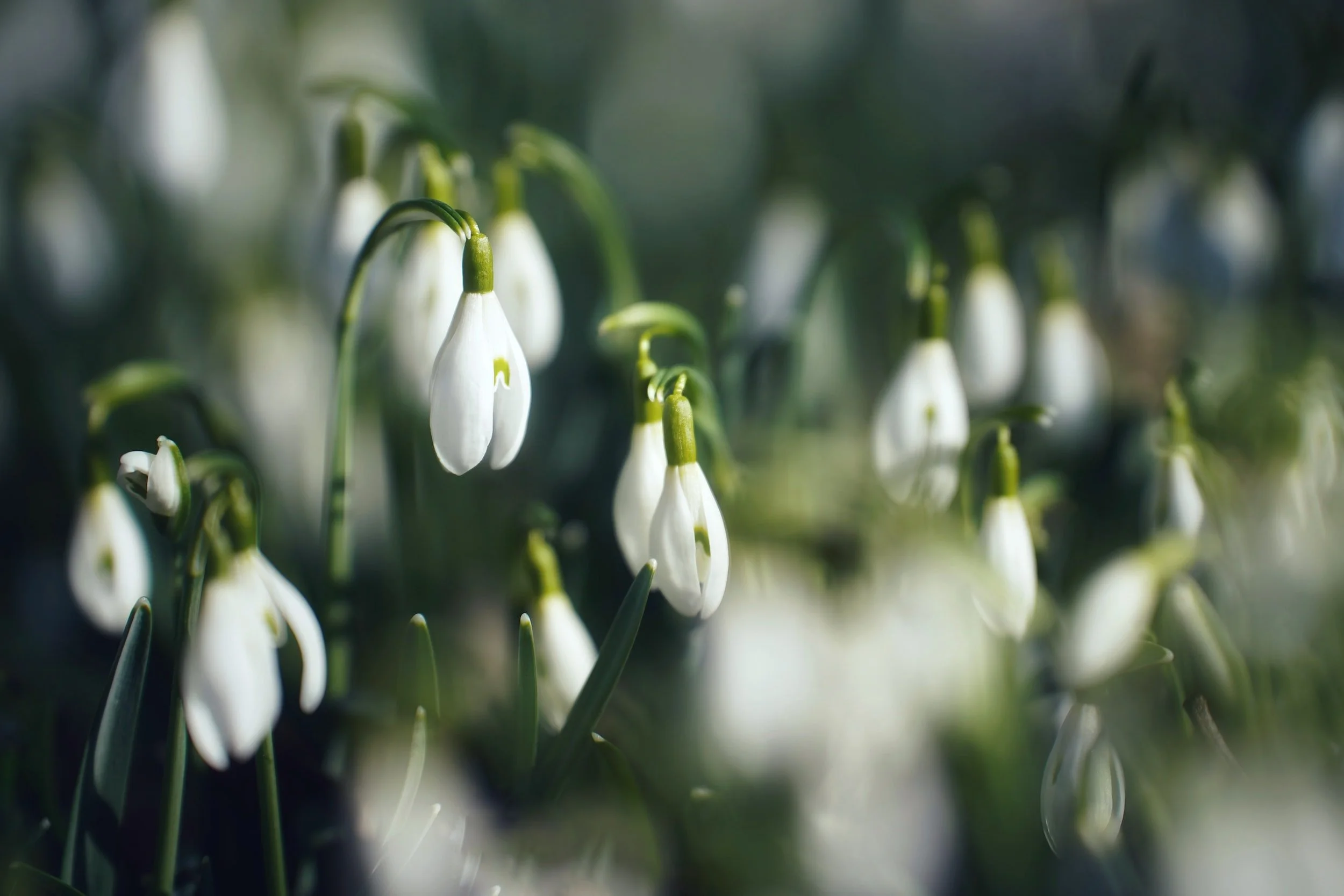
SNOWDROPS
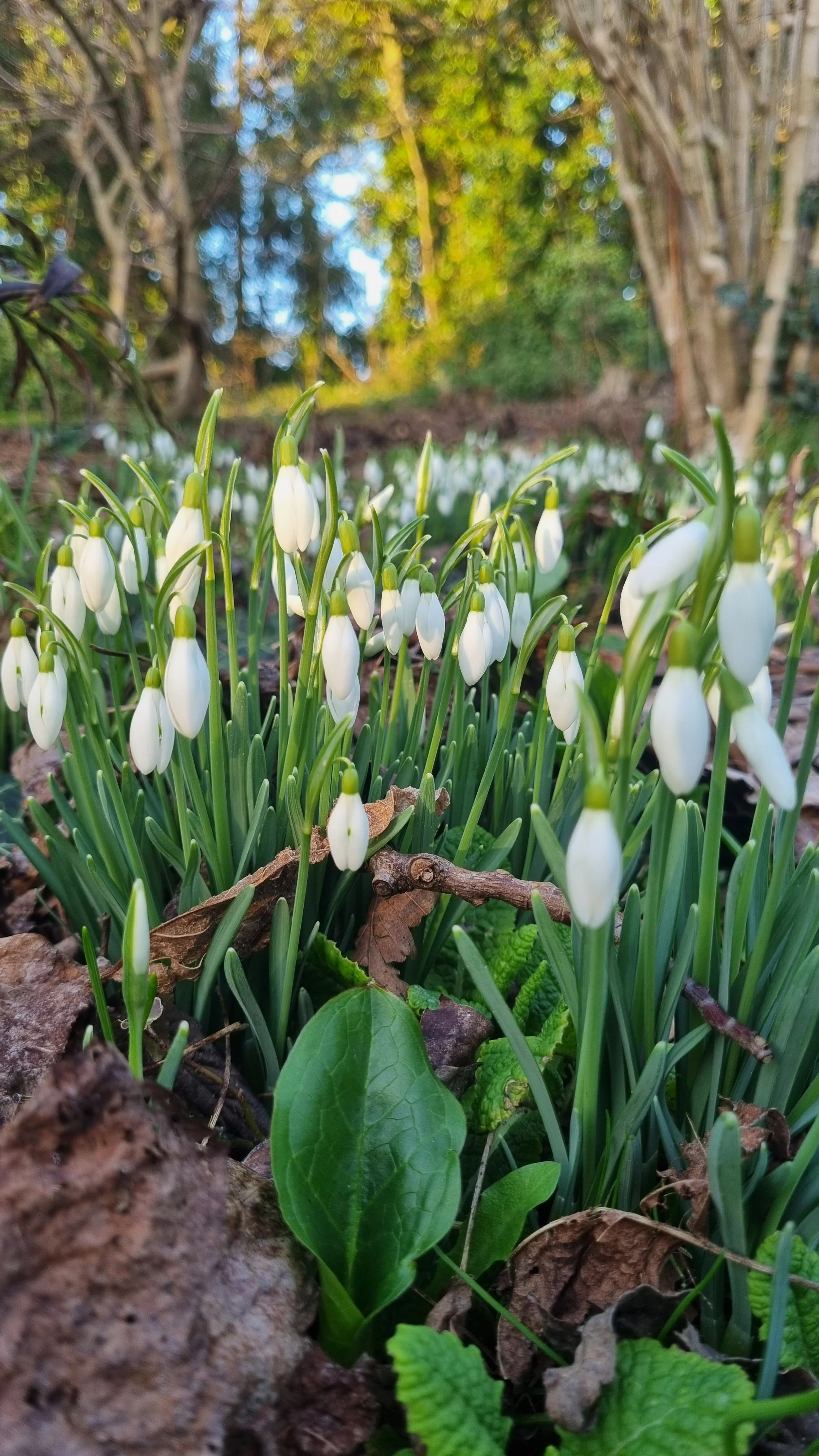
This tuberous perennial is loved for its vivid pink flowers and beautifully patterned foliage. Flowering from January through to March, it brings a welcome lift of colour during the quieter winter months.
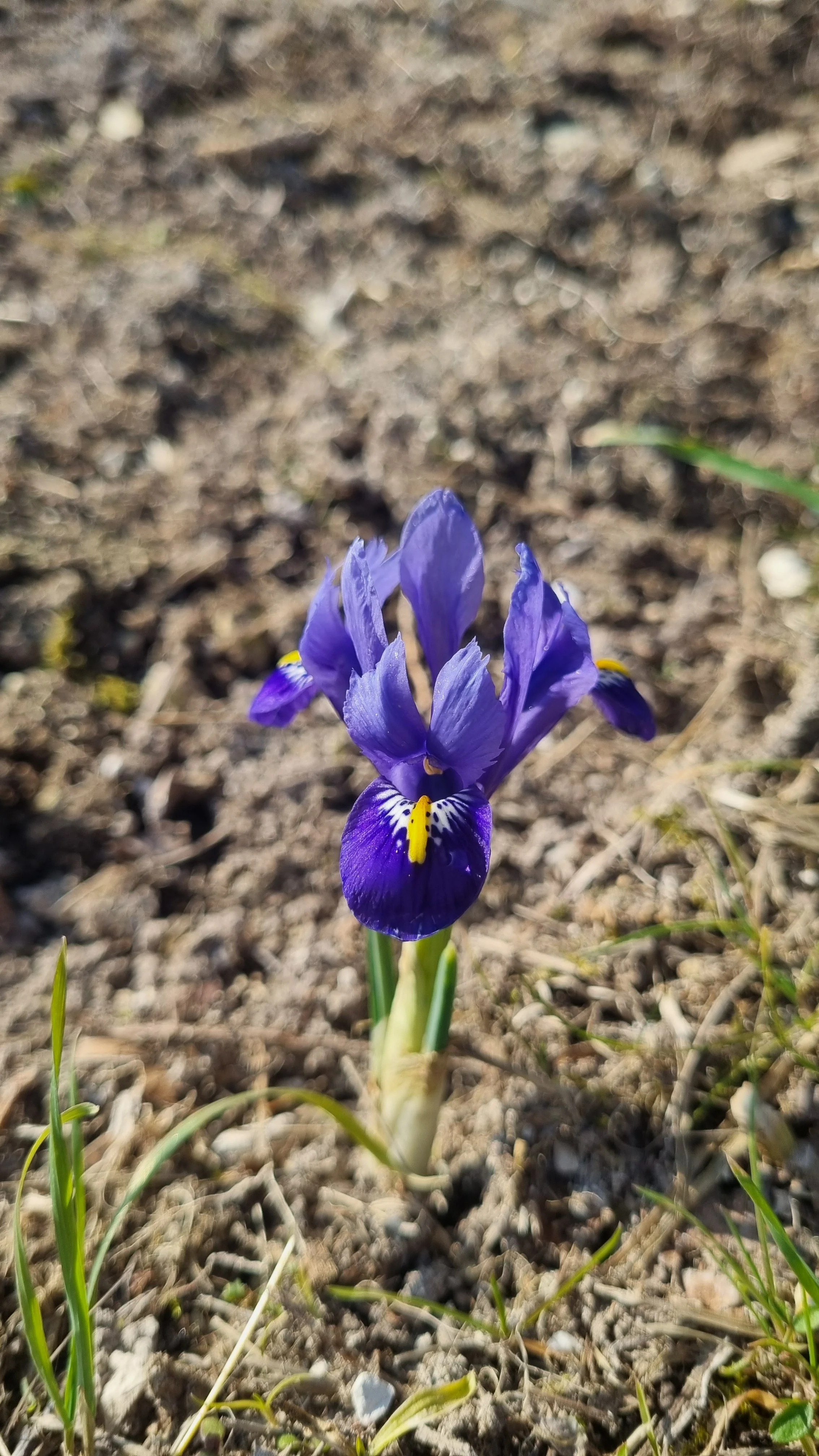
IRIS HARMONY
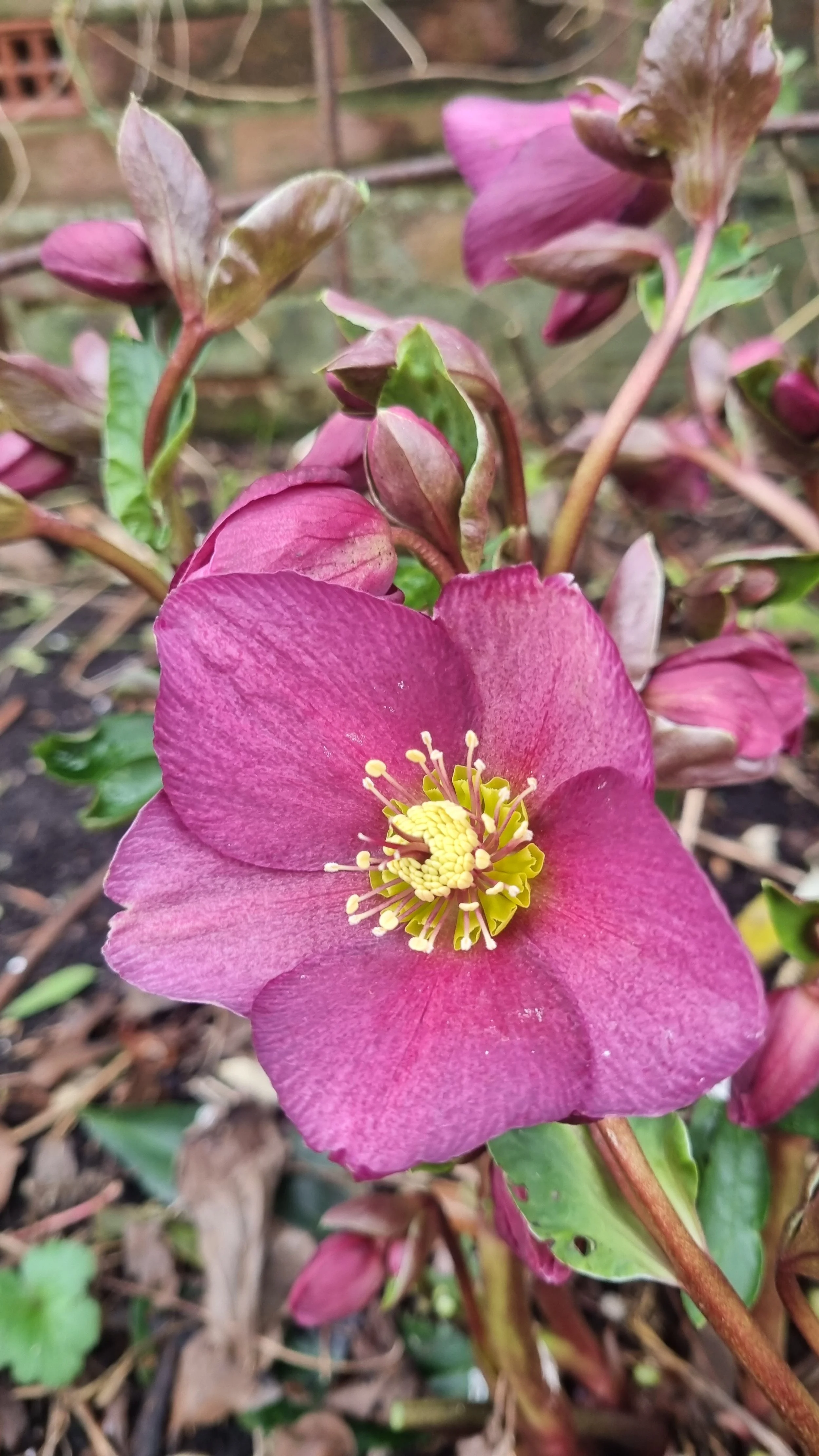
Hellebores are a fantastic way of adding winter interest to a planting scheme.
They are greatly appreciated for their diversity of colourful blooms in an otherwise quiet period of the year, large flowers, long flowering period and lush leathery green foliage.
Easy to work into designs; they are generally fine in most soil types, prefer a little shade, but can cope in the sun. Just avoid very wet or very dry soil. Always check the species of choice.
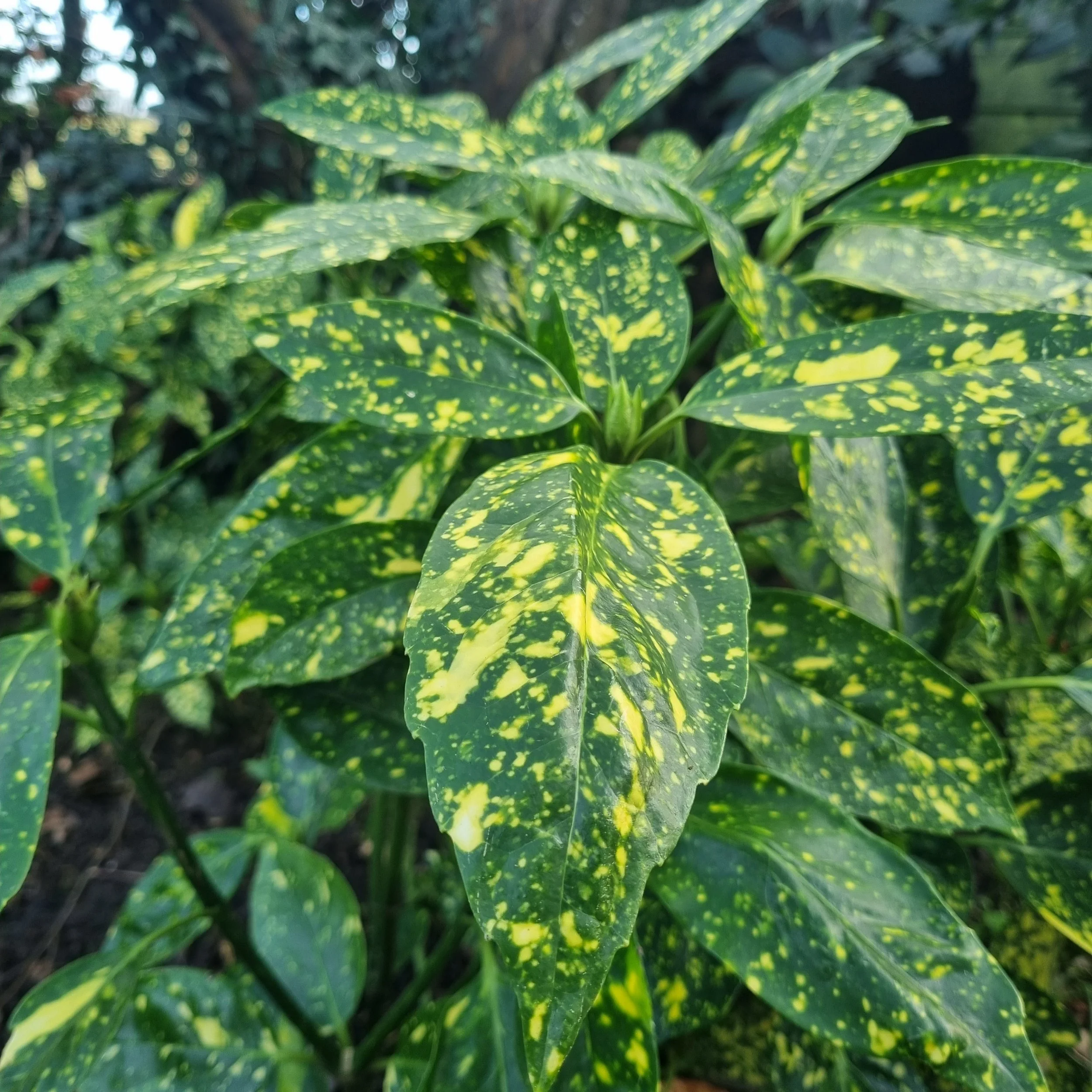
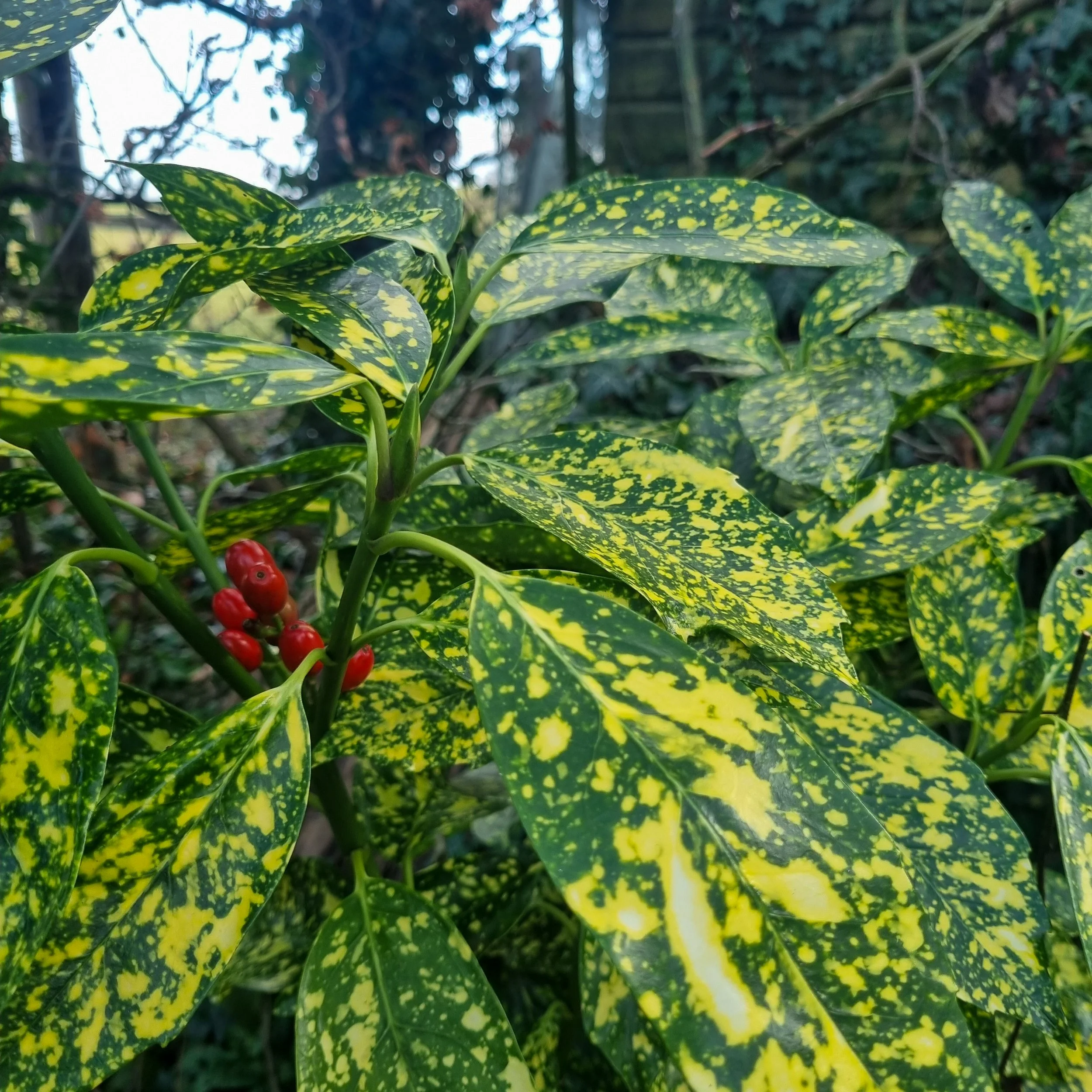
AUCUBA JAPONICA
They are greatly appreciated for their diversity of colourful blooms in an otherwise quiet period of the year, large flowers, long flowering period and lush leathery green foliage.
Easy to work into designs; they are generally fine in most soil types, prefer a little shade, but can cope in the sun. Just avoid very wet or very dry soil. Always check the species of choice.
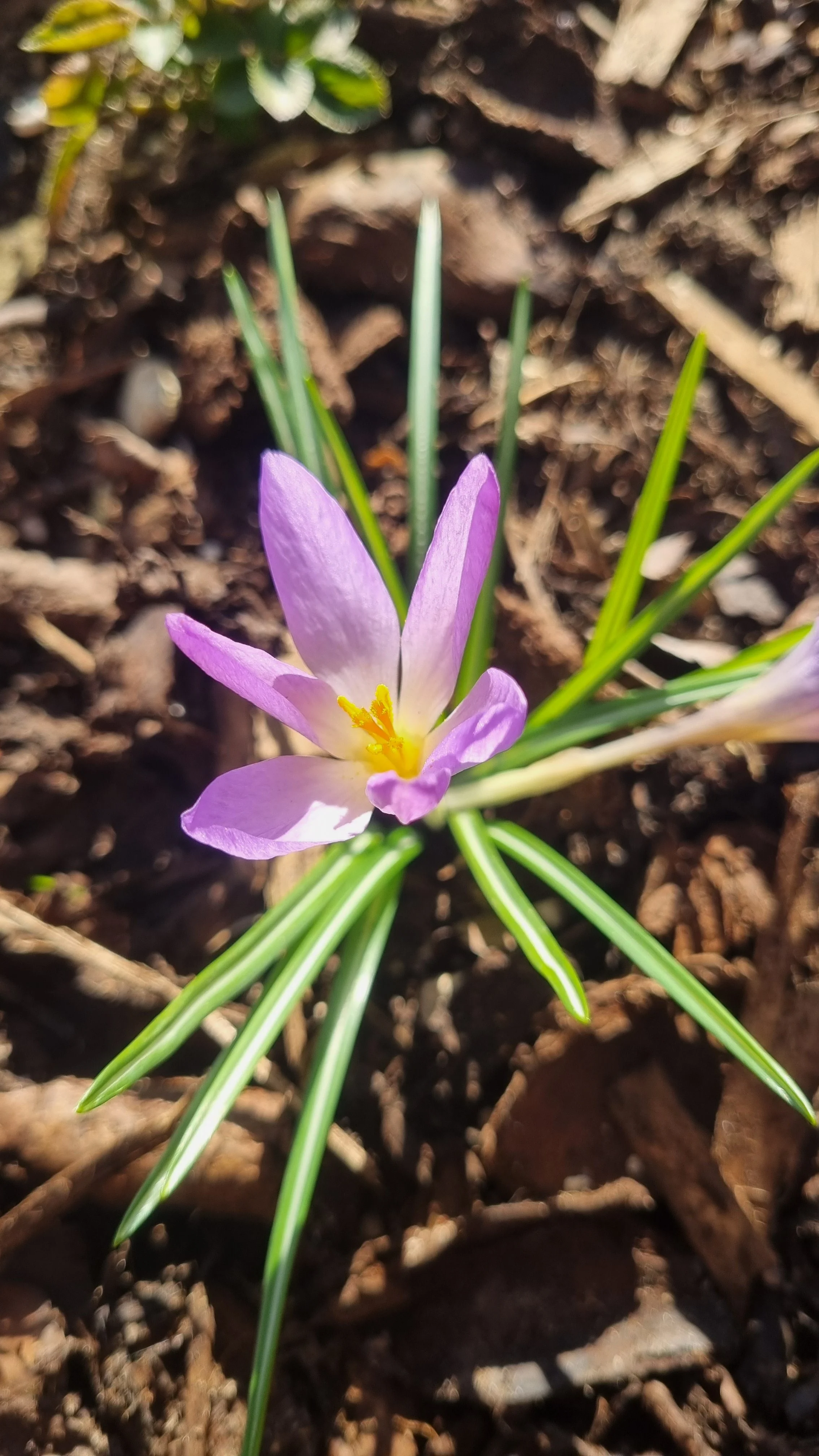
CROCUS
Crocuses are one of the first signs that spring is on the way. Their rich violet blooms pop up in late winter to early spring, bringing fresh colour and life to the garden after the colder months.
PLANTS FOR WINTER INTEREST
-
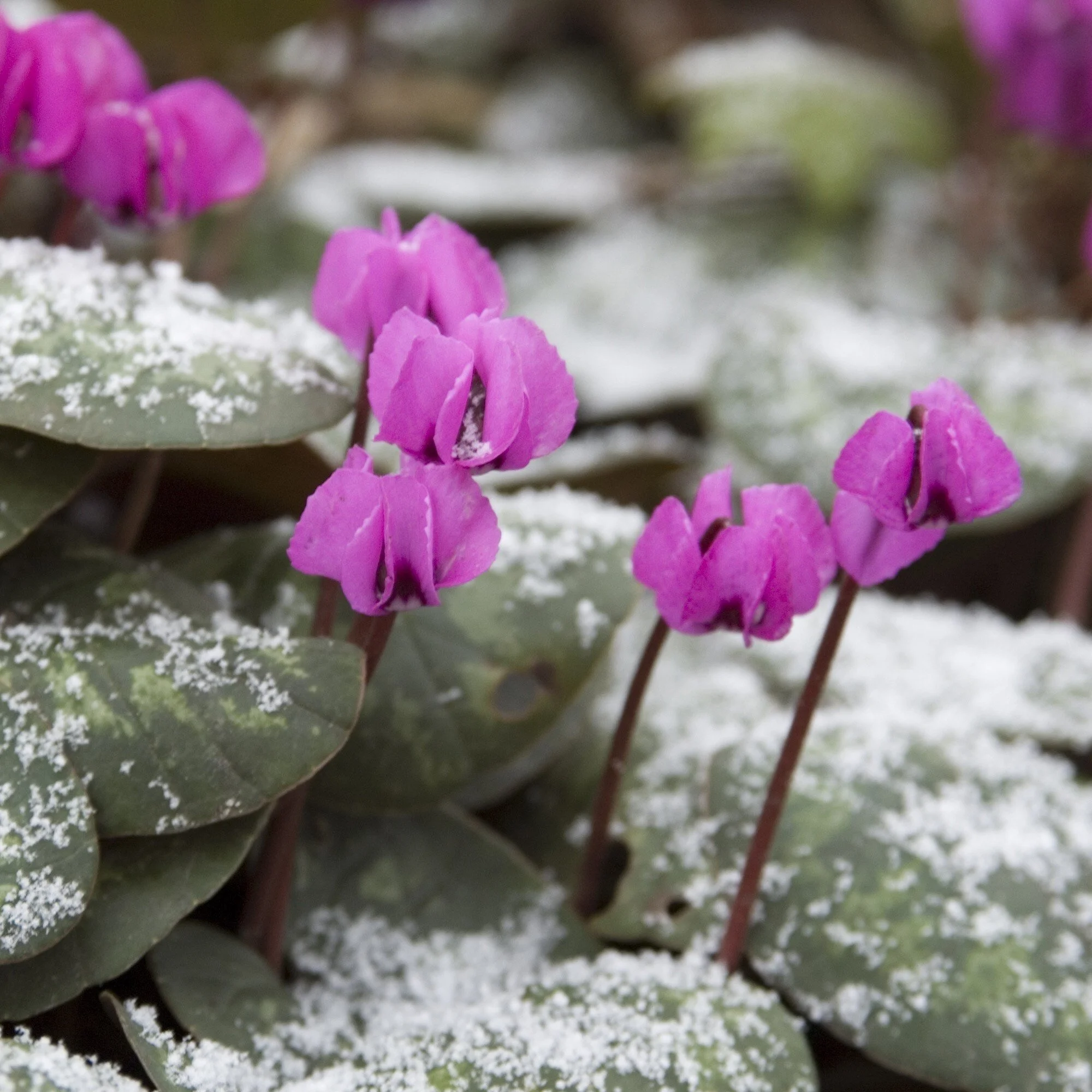
![Cyclamen coum]()
Cyclamen coum
-
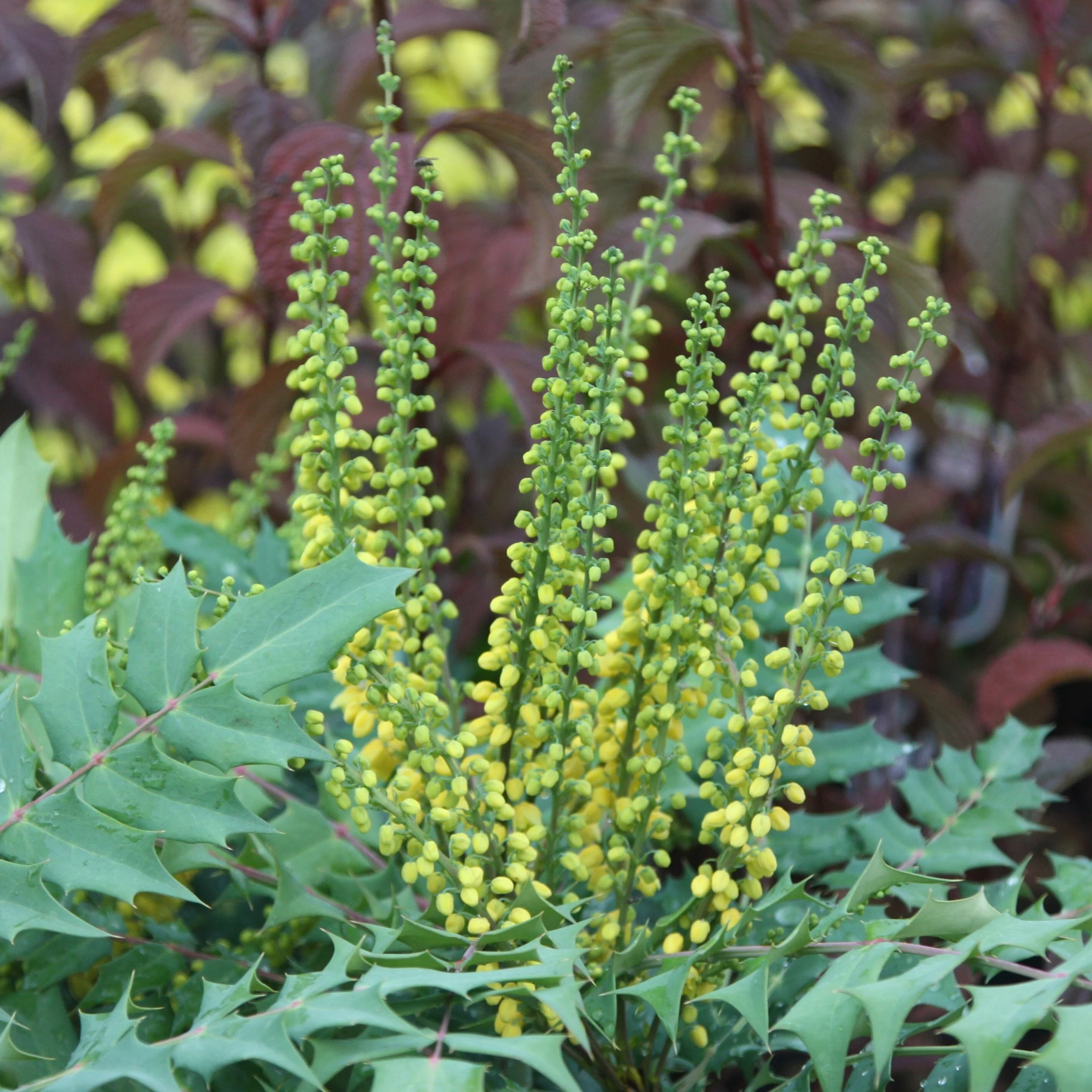
![]()
Mahonia × media 'Winter Sun'
-
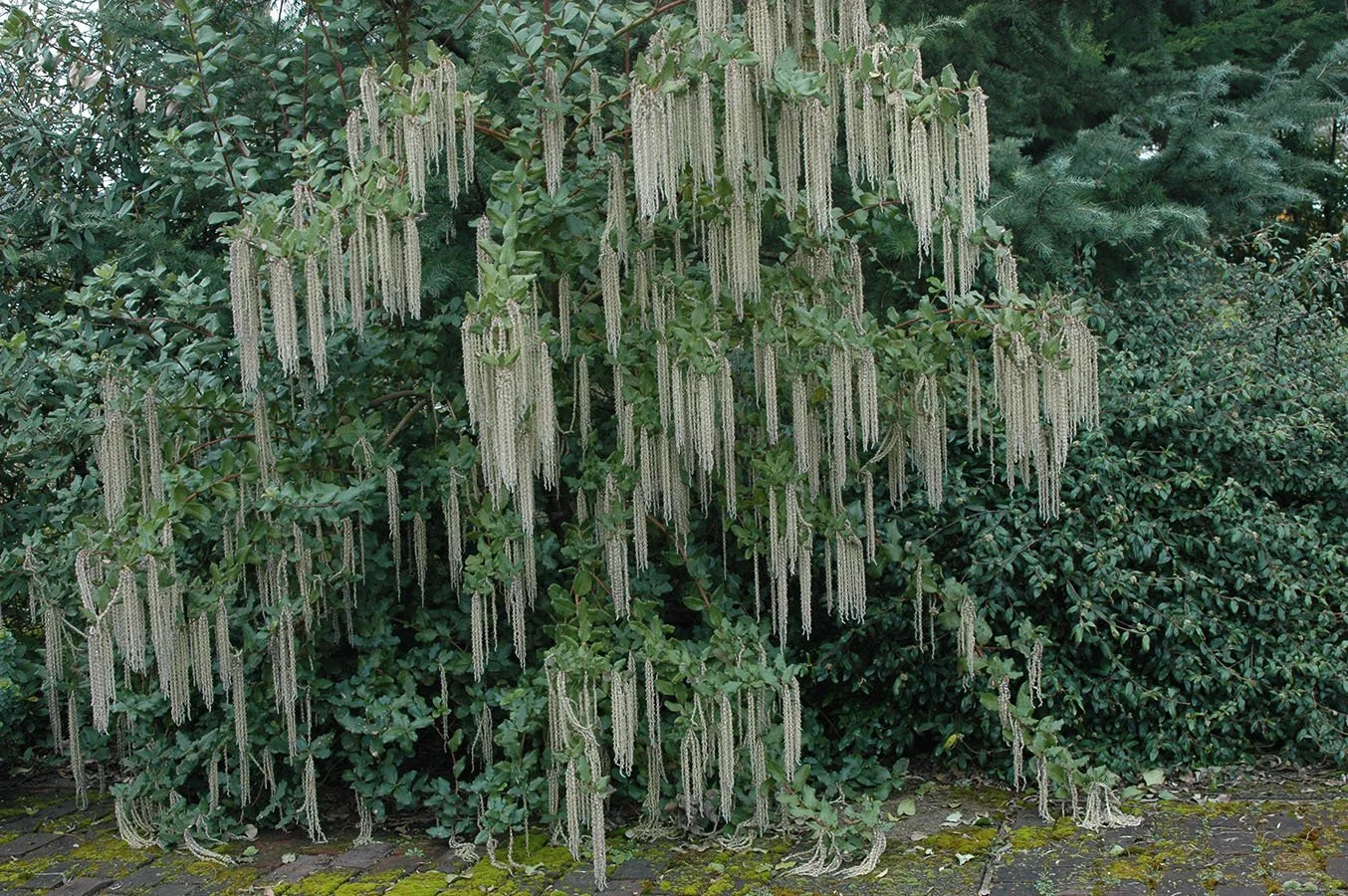
![]()
Garrya elliptica 'James Roof'
-
![Cornus sanguinea 'Midwinter Fire']()
Cornus sanguinea 'Midwinter Fire'
-
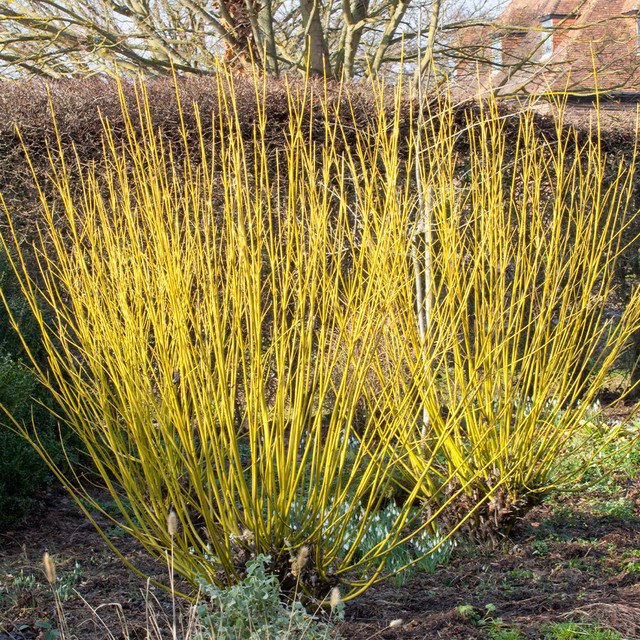
![Cornus sericea 'Flaviramea']()
Cornus sericea 'Flaviramea'
-
![Cornus alba 'Sibirica']()
Cornus alba 'Sibirica'
-
![Hamamelis × intermedia 'Jelena']()
Hamamelis × intermedia 'Jelena'
-
![Viburnum × bodnantense 'Dawn']()
Viburnum × bodnantense 'Dawn'
-
![Helleborus]()
Helleborus
-
![Aucuba japonica]()
Aucuba japonica
-
![]()
Galanthus nivalis