march in the garden
1. Divide Perennials
Over time, perennials grow and can overcrowd areas, which can make a garden look untidy. Lifting out large clumps of perennials and splitting them up can be a great way to multiply your plants for free. This can be done by lifting them out with a spade, then using two pitchforks in the centre and pulling them apart.
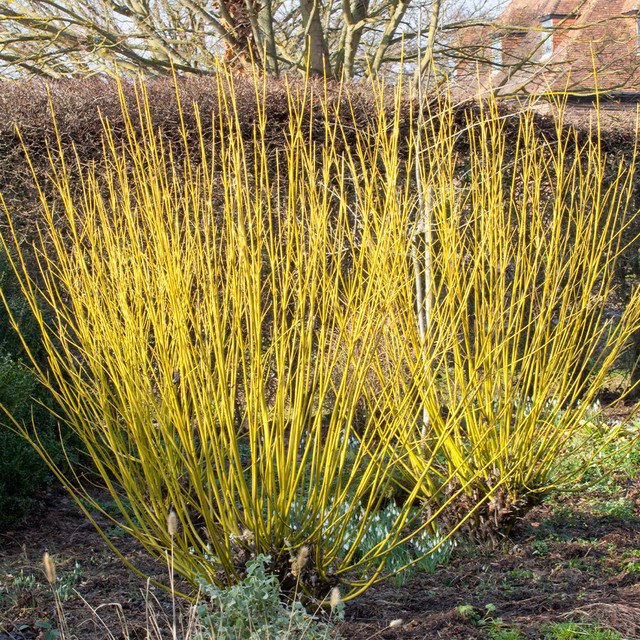
2. Cutting back Cornus and Salix
Cornus and salix are both grown for their winter-colour stems. They respond well to a hard prune and will produce better growth over the summer, giving improved winter colour next year if pruned properly.
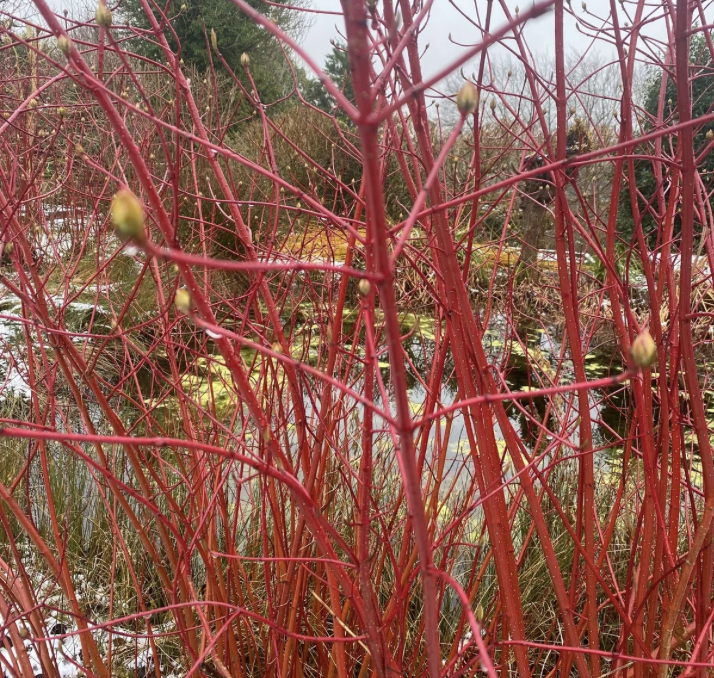
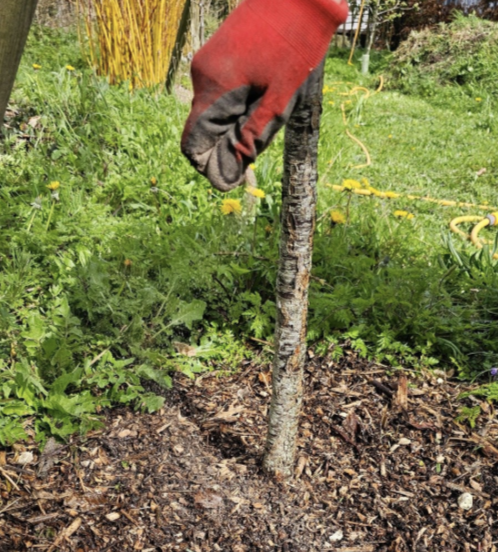
3. Feeding Trees and Winter Shrubs
or the first feed of the year with blood, fish, and bone, it is important to do this in late March to ensure plants put on new growth. Take a small handful for smaller shrubs and a larger handful for bigger trees and shrubs.
4. Plant Bare Root Trees
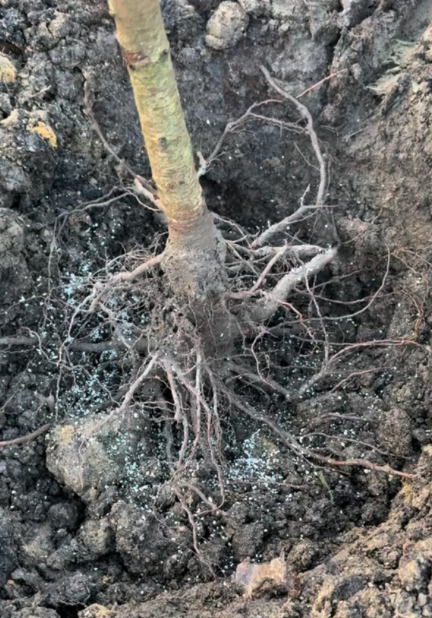
March is the last opportunity to plant bare-root hedges and fruit trees. This is the most cost-effective and natural way to establish strong, healthy boundaries in your garden. Bare-root plants are lifted while dormant, helping them settle quickly and develop strong root systems ready for new growth in spring. They are ideal for native hedges, screening, windbreaks, and wildlife-friendly gardens.
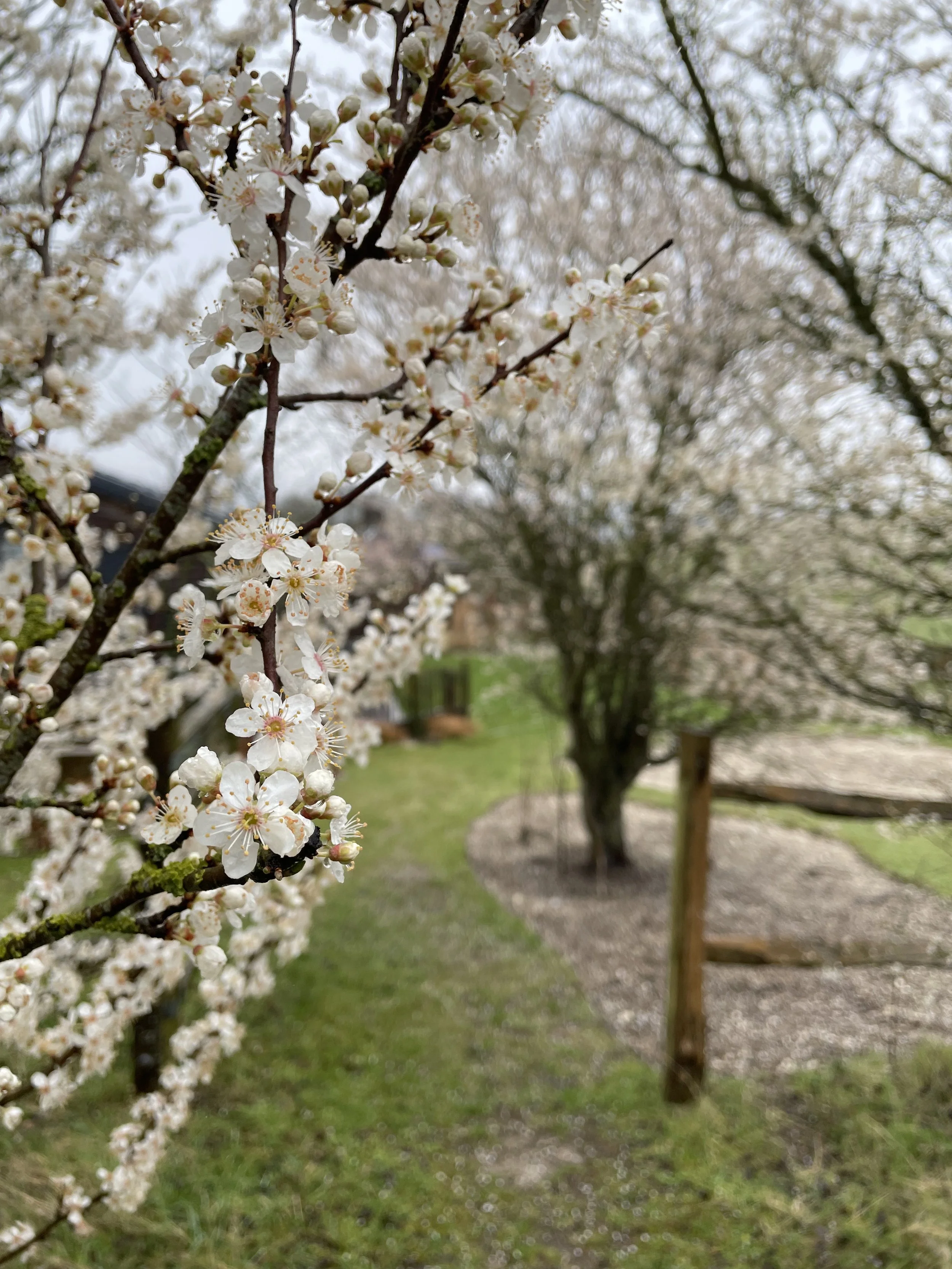

PRUNUS SPINOSA
Prunus spinosa is a hardy, native shrub or small tree that really comes into its own in early spring. Before the leaves appear, it’s covered in clouds of small white flowers, creating a fresh, bright look in the landscape.
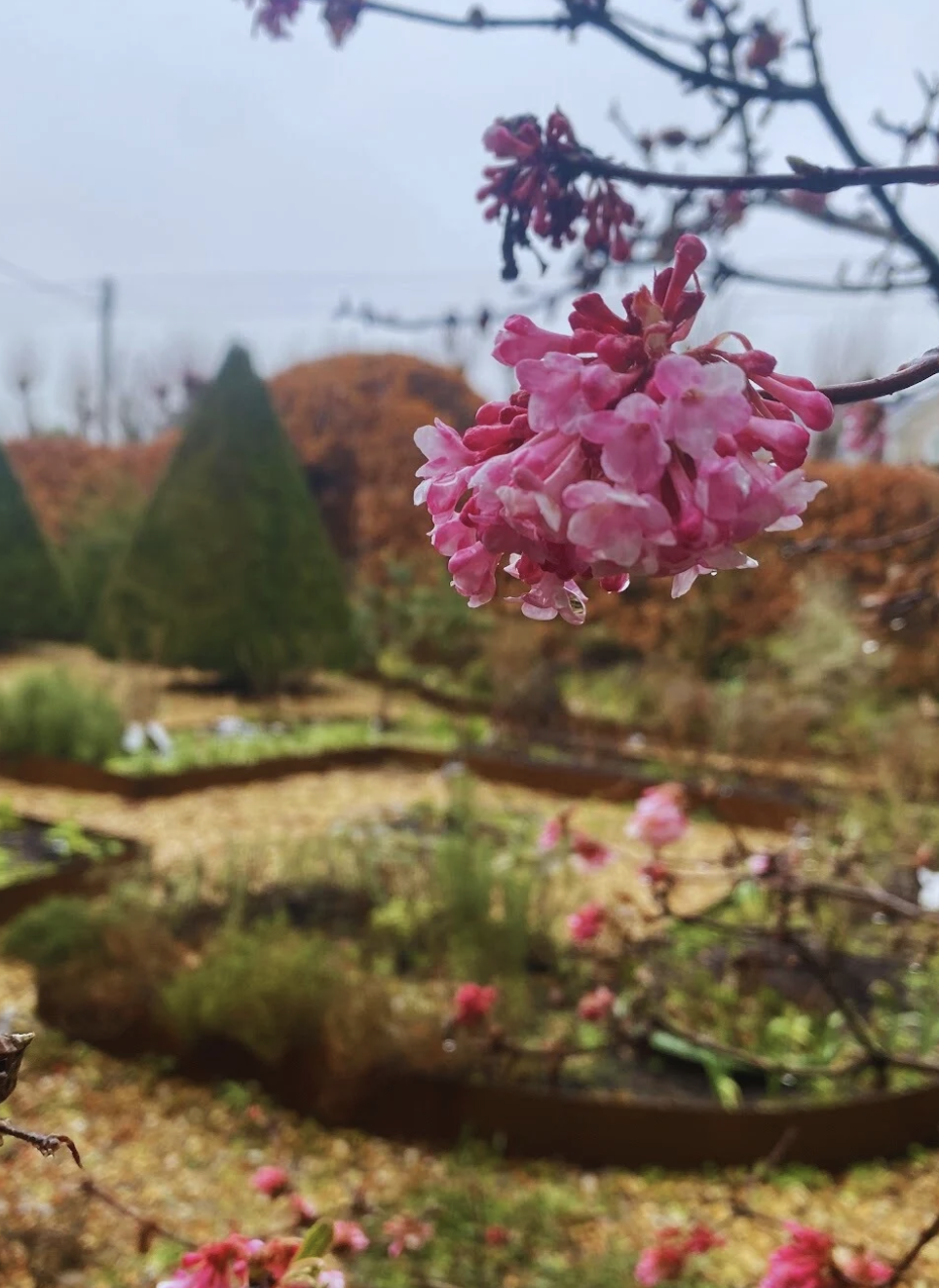
VIBURNUM FARRERI
Viburnum farreri is a deciduous shrub known for its highly fragrant flowers that appear in late winter to early spring The pink buds open to creamy-white blooms, filling the garden with a gentle, sweet scent when most other plants are still dormant.
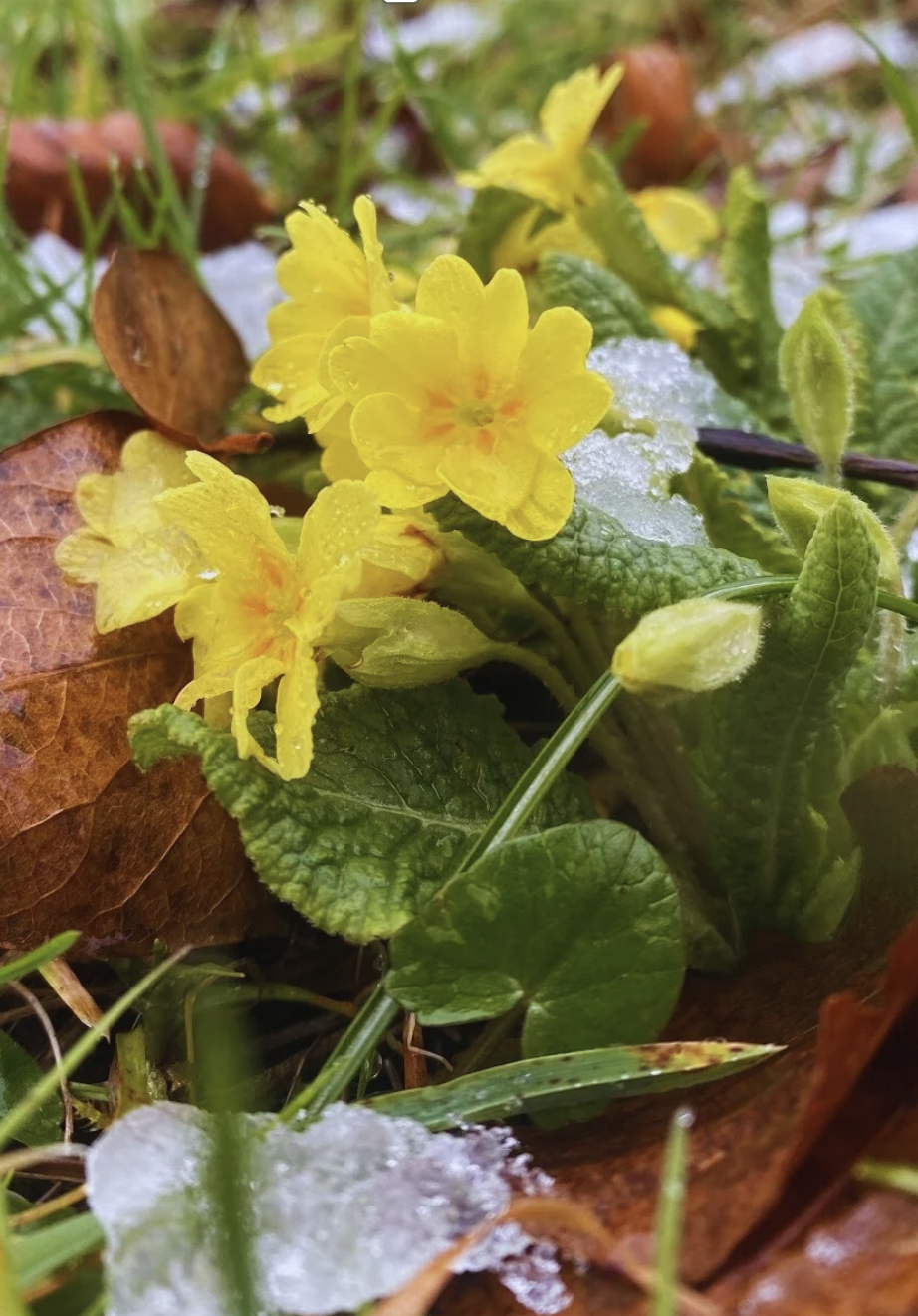
PRIMULA VULGARIS
Primula vulgaris, or the common primrose, is a charming perennial that brings bright, cheerful flowers in late winter and early spring.
Its delicate, pale yellow blooms sit above a rosette of fresh green leaves, adding a soft, natural touch to gardens and woodland edges.
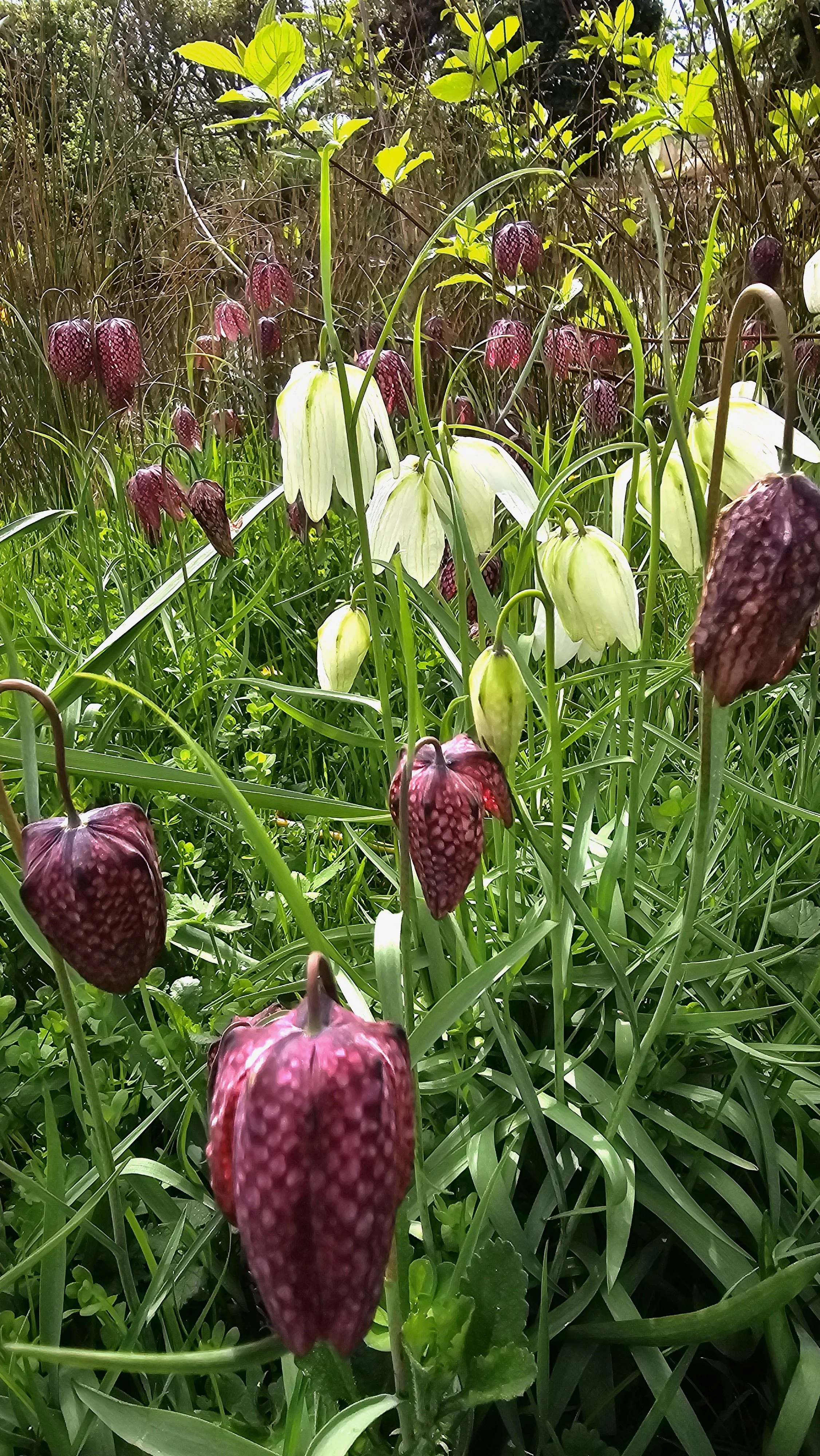
Fritillaria meleagris
Fritillaria meleagris, or snake’s head fritillary, is a spring-flowering bulb with distinctive nodding, bell-shaped blooms patterned in a beautiful purple-and-lilac checkered design. Growing to around 20–30 cm tall, it has fine, grass-like leaves and a soft, meadowy look that suits naturalistic gardens. Native to European grasslands, it prefers moist soil and sun or light shade, and while it’s not flashy, it always stands out once you notice the detail.
PLANTS FOR WINTER INTEREST
-
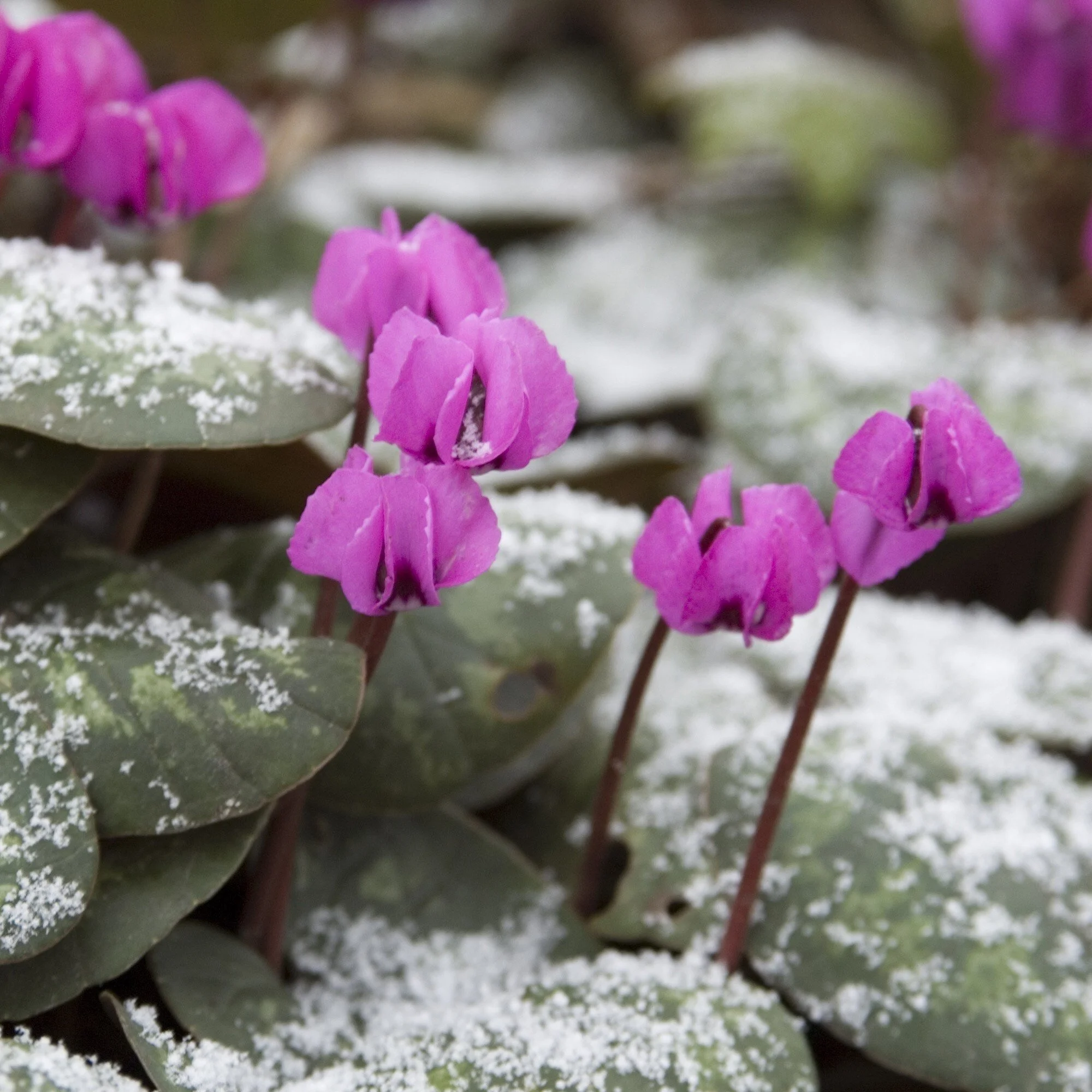
![Cyclamen coum]()
Cyclamen coum
-
![]()
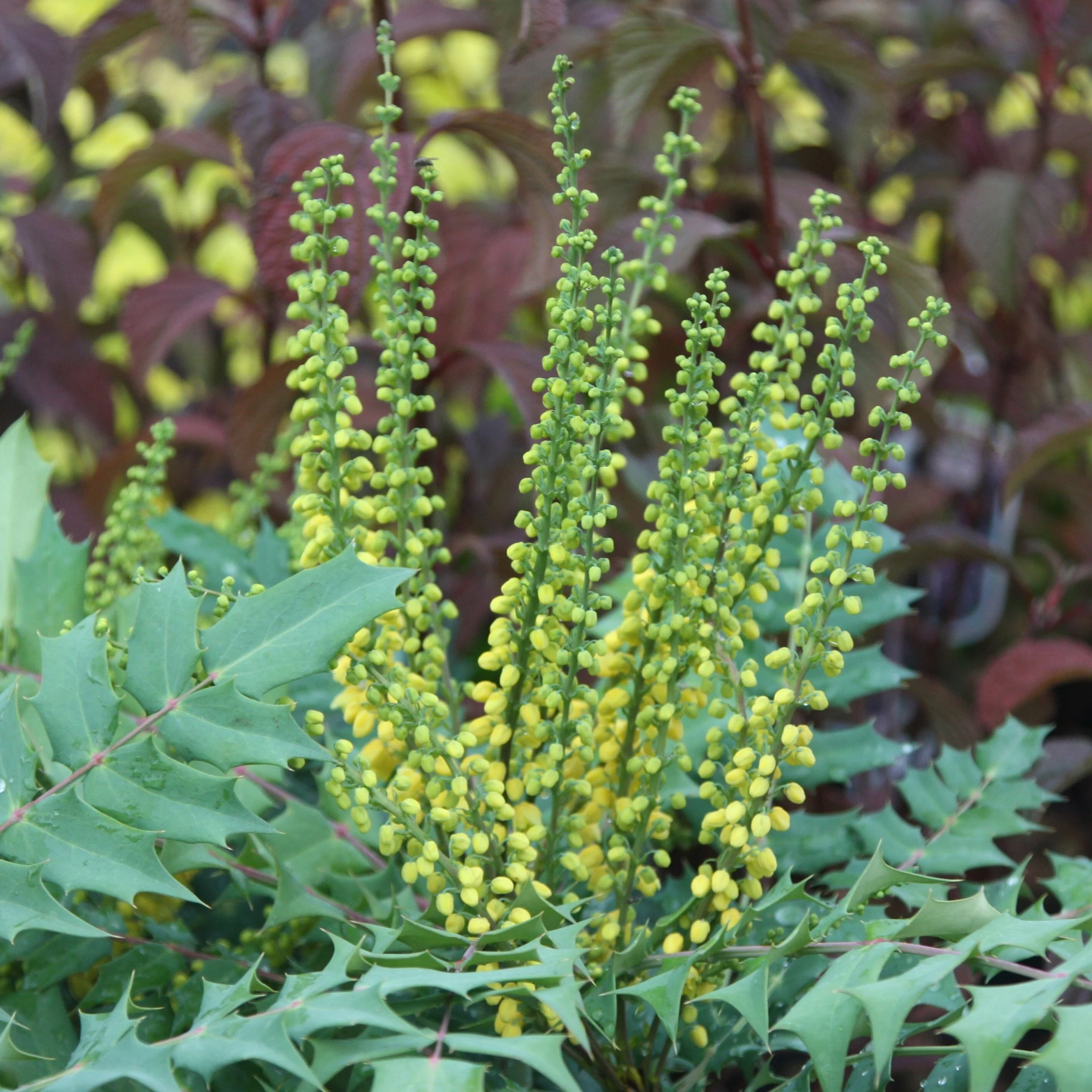
Mahonia × media 'Winter Sun'
-
![]()
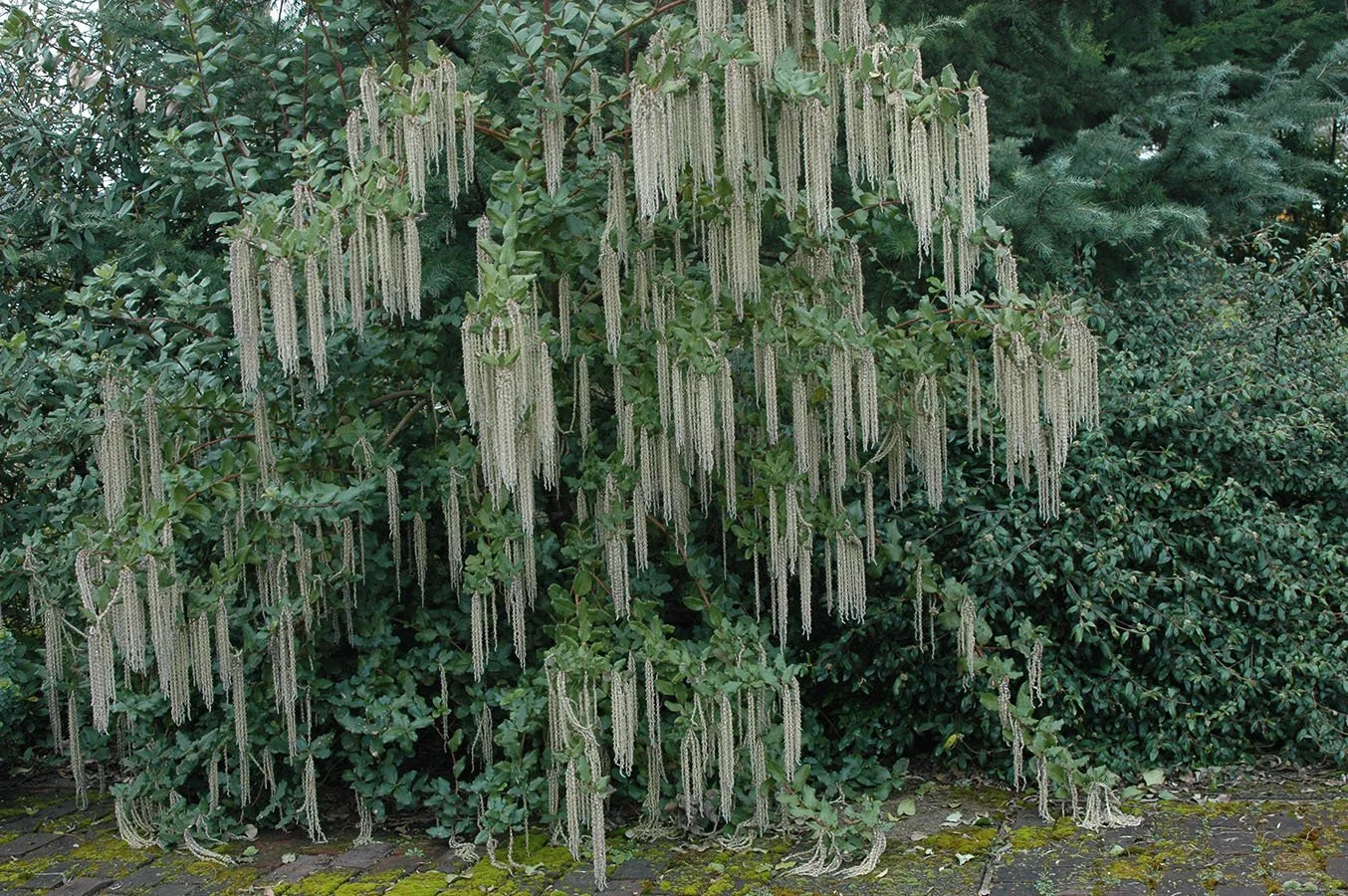
Garrya elliptica 'James Roof'
-
![Cornus sanguinea 'Midwinter Fire']()
Cornus sanguinea 'Midwinter Fire'
-
![Cornus sericea 'Flaviramea']()
Cornus sericea 'Flaviramea'
-
![Cornus alba 'Sibirica']()
Cornus alba 'Sibirica'
-
![Hamamelis × intermedia 'Jelena']()
Hamamelis × intermedia 'Jelena'
-
![Viburnum × bodnantense 'Dawn']()
Viburnum × bodnantense 'Dawn'
-
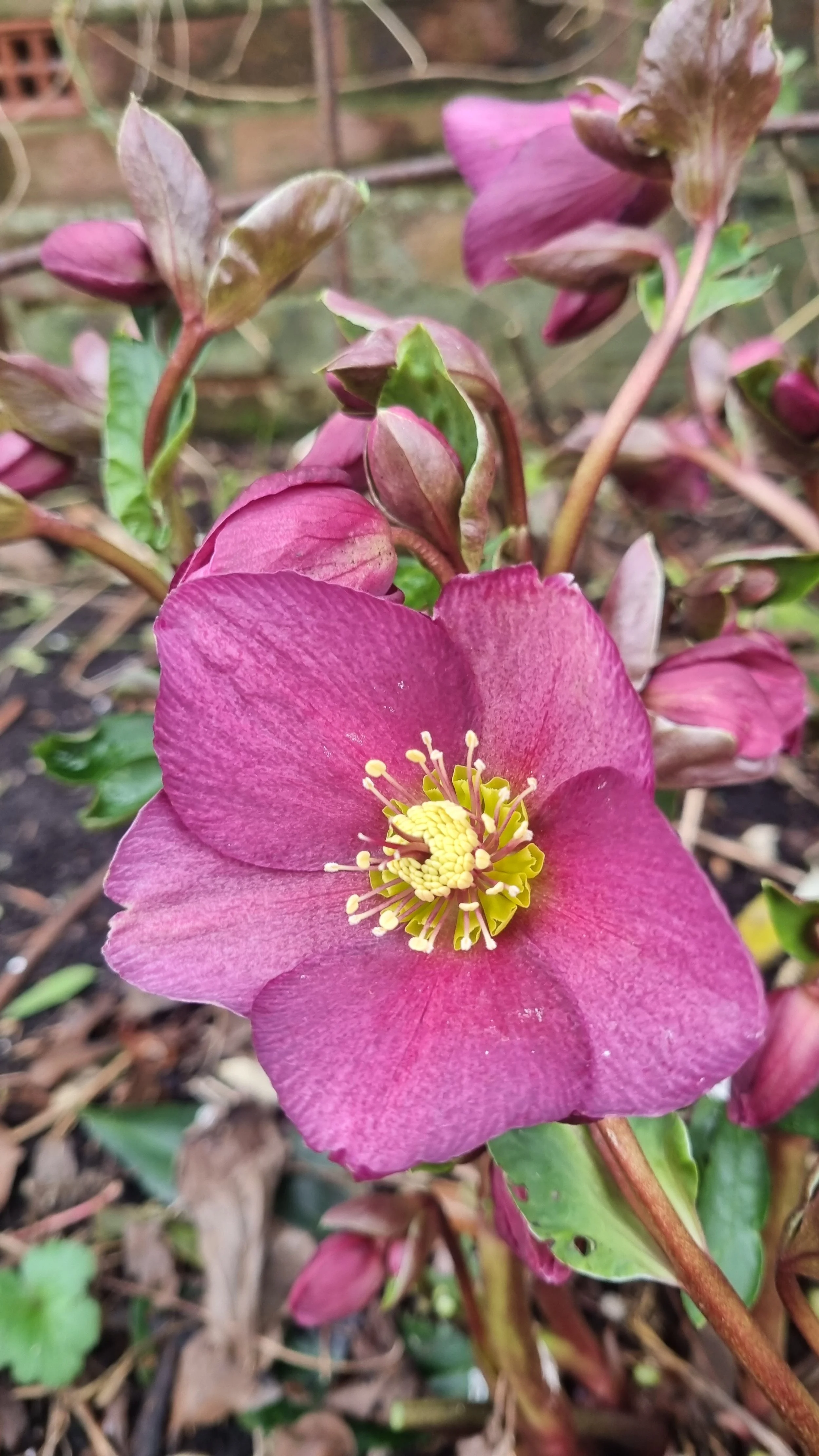
![Helleborus]()
Helleborus
-
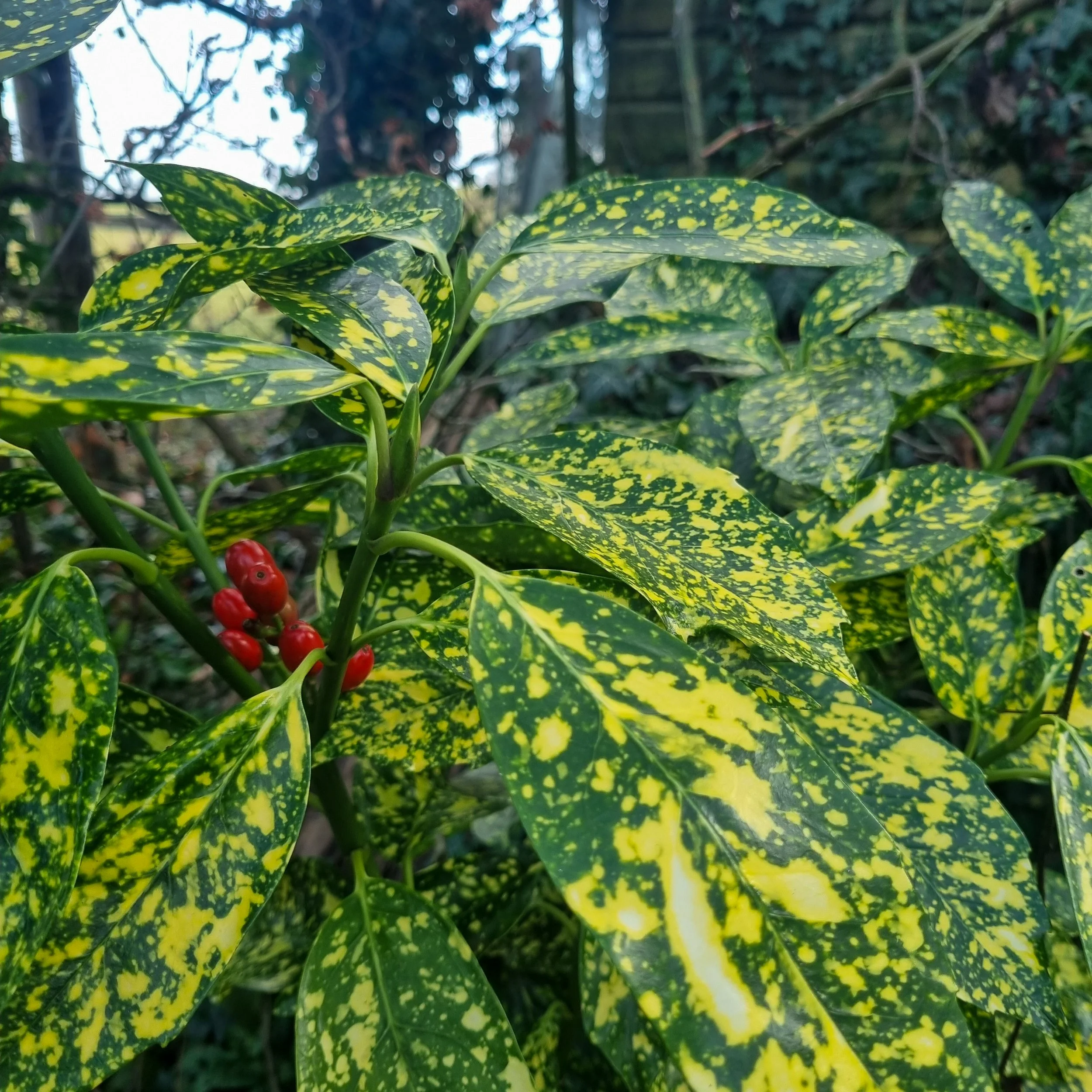
![Aucuba japonica]()
Aucuba japonica
-
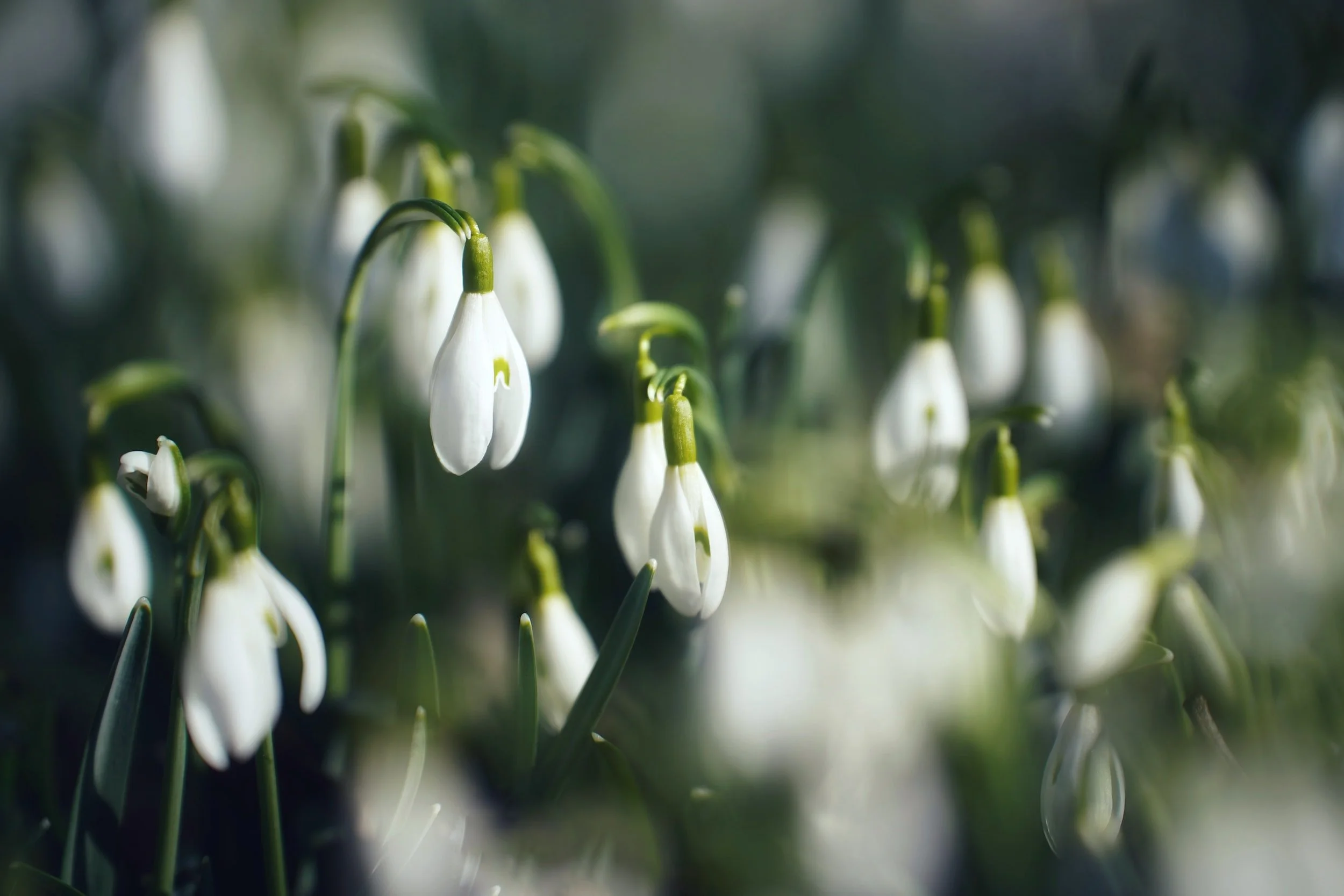
![]()
Galanthus nivalis