APRIL in the garden
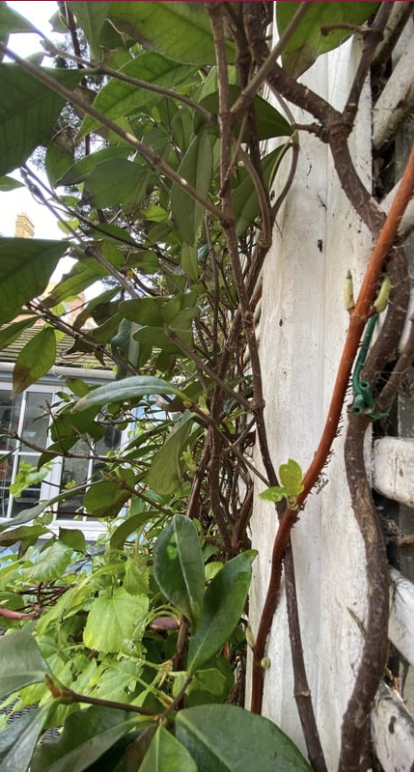
1. Tie in climbers
Before your climbers begin to grow too wildly, it is a good time to wrangle any loose shoots. Best done early and often!
Guide their future growth trajectory
Prevent damage to delicate climbers
Encourage better airflow and light exposure to improve health and flowering
Use soft, flexible ties to avoid damaging delicate stems. Loosely secure them to supports to allow room for growth.
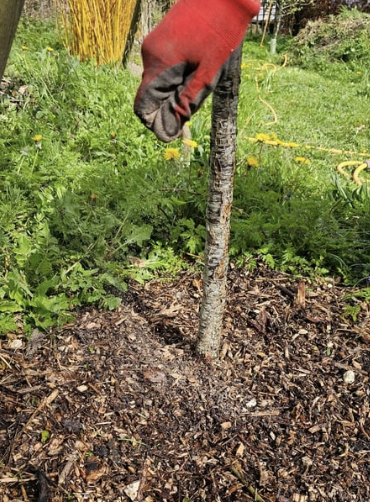
2. Feed trees & shrubs
As the growing season begins it may be a good time to feed. Check for signs of nutrient deficiency. If the plant is otherwise healthy but flower/fruit/growth yield is low, consider feeding. Fruit, veg and containerised plants typically benefit the most.
3. House plants
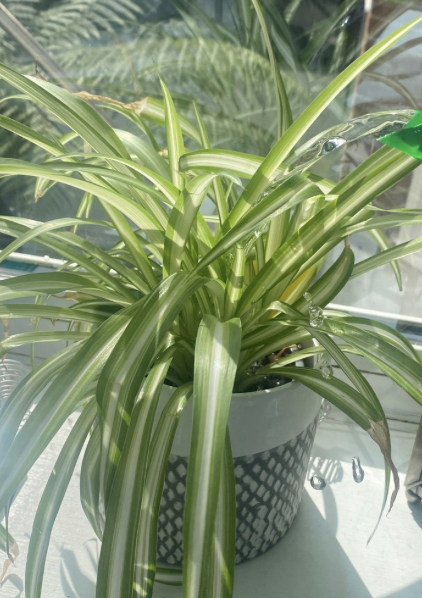
With temperatures rising and plants putting on new growth, they may need an increase in water.
Water when the surface soil is dry
Do not use softened water
Allow tap water to sit for 24 hours (to dissipate chlorine and raise temperature)
Resist the temptation to water on a schedule – only water when necessary!
4. Weeding in borders & beds
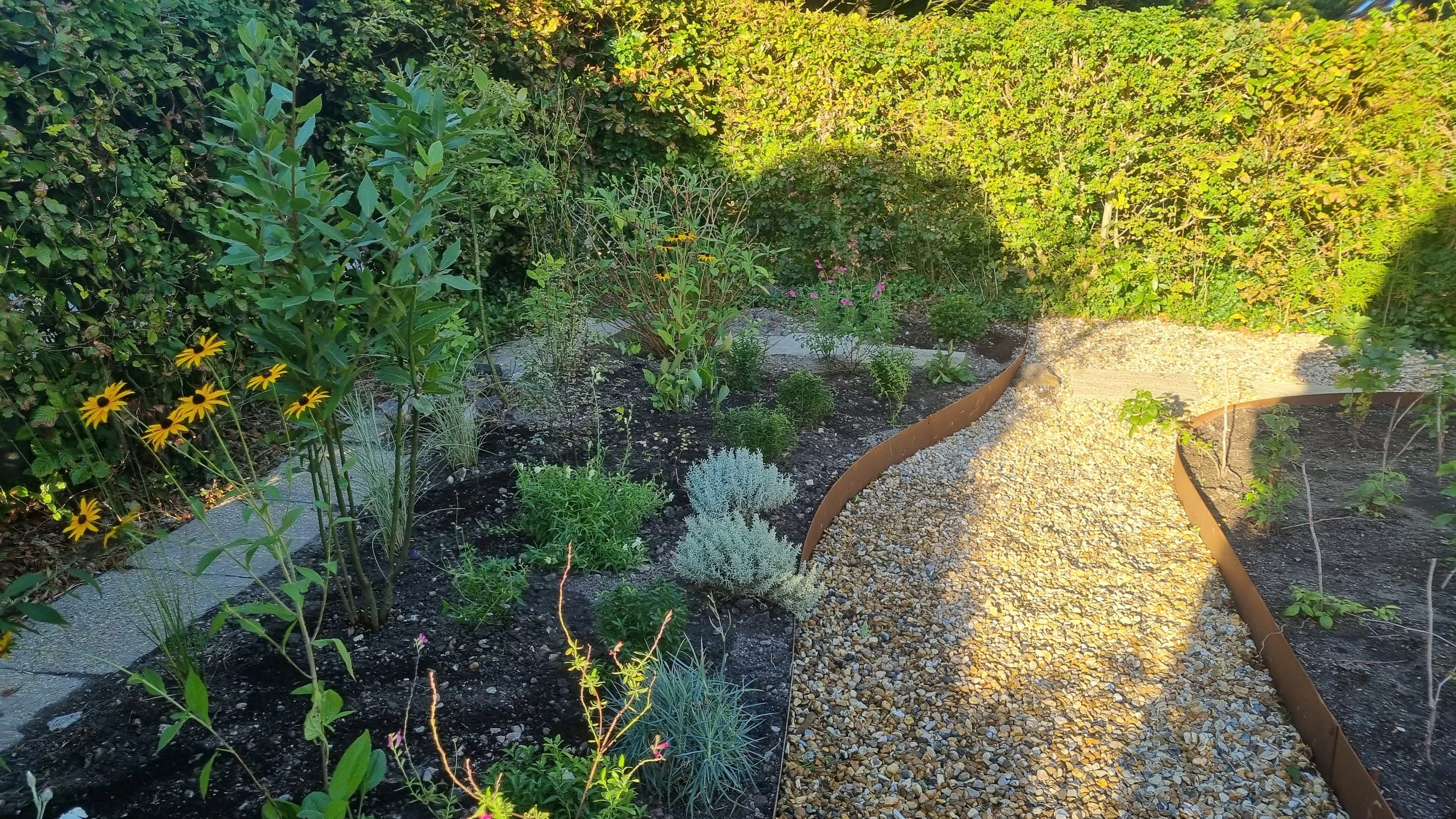
In spring, weeds will begin to pop up through your borders and beds. It is important to keep them under control so they do not take over and compete with your other plants.

TULIPA
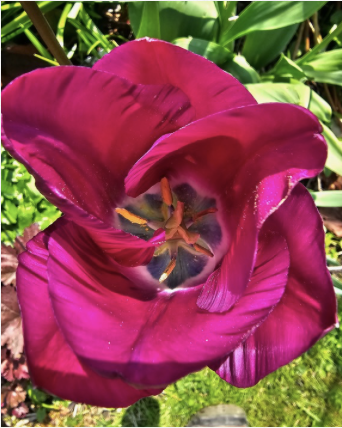
A tulip blooming in April stands on a slender green stem with smooth, lance-shaped leaves at its base. Its cup-shaped petals open fully in spring, showing colors from soft pastels to vibrant reds and yellows, often with a dark center and bright stamens. The flower has a fresh, elegant look, gently swaying in the breeze or standing tall and cheerful in the garden.
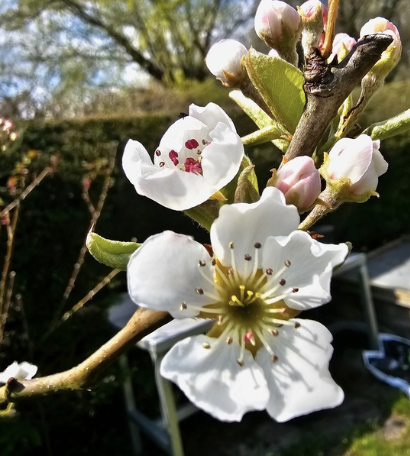
PYRUS COMMUNIS
The blooms of Pyrus communis add a beautiful, early-spring focal point to your garden, creating a bright, airy display with their clusters of white flowers. They also attract pollinators like bees, which can help other plants thrive, and later lead to edible pears, giving both visual and practical benefits. Even after flowering, the tree provides shade and structure, making it a valuable addition to a garden’s landscape.
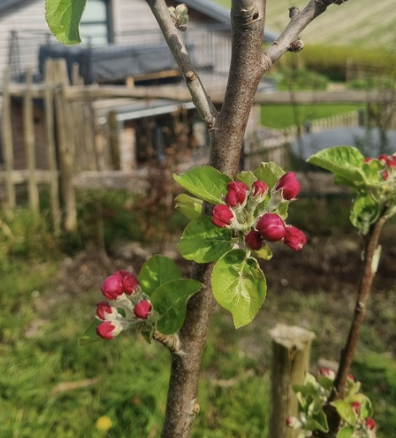
APPLE BLOSSOM
Apple blossoms appear in spring as clusters of delicate flowers, usually soft pink when they first open, fading to whiteas they mature. Each flower has five rounded petals surrounding yellow stamens, giving a gentle, fragrant aroma. They bloom before or alongside the tree’s fresh green leaves, creating a cloud-like effect on the branches, and attract bees and other pollinators essential for fruit development.
PLANTS FOR WINTER INTEREST
-
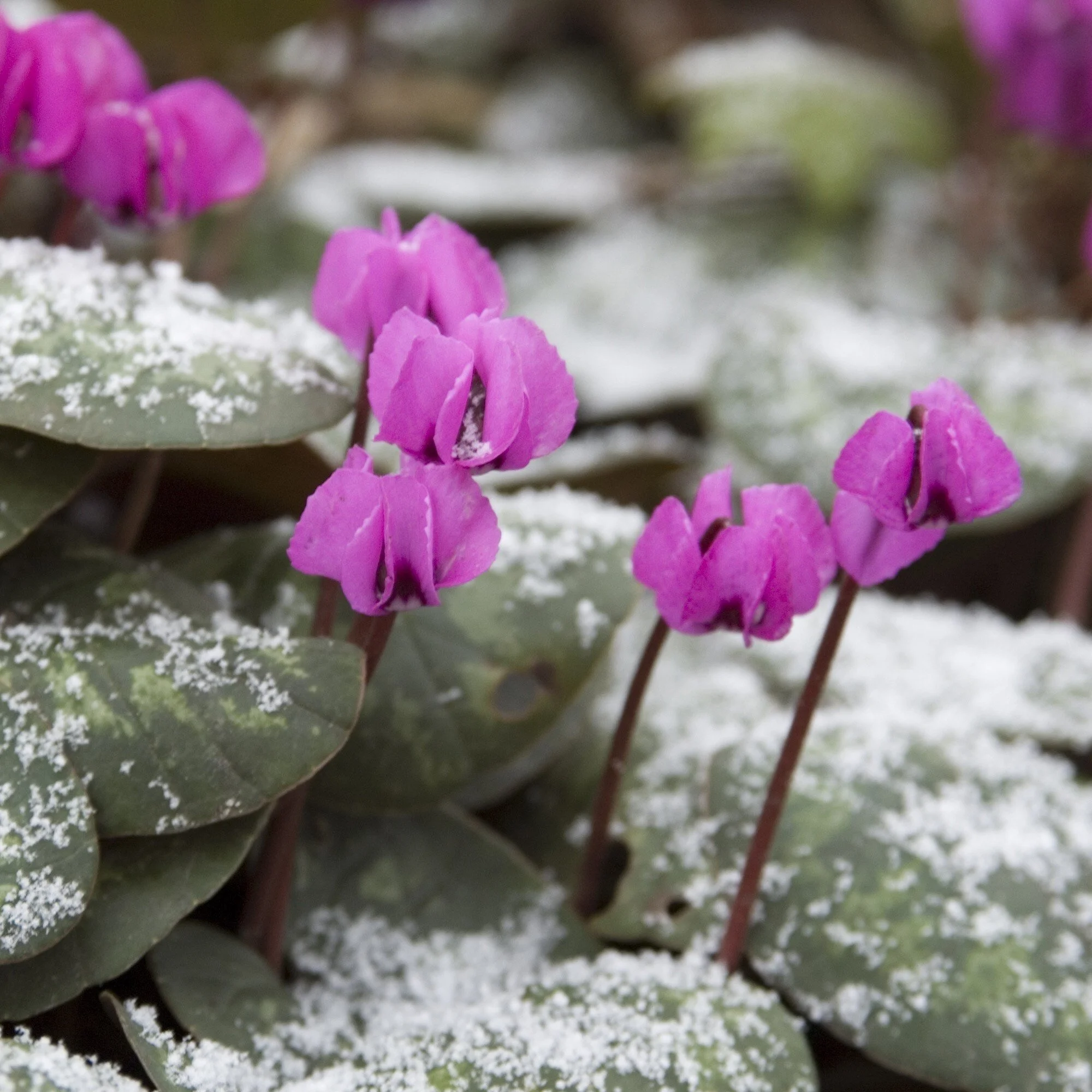
![Cyclamen coum]()
Cyclamen coum
-
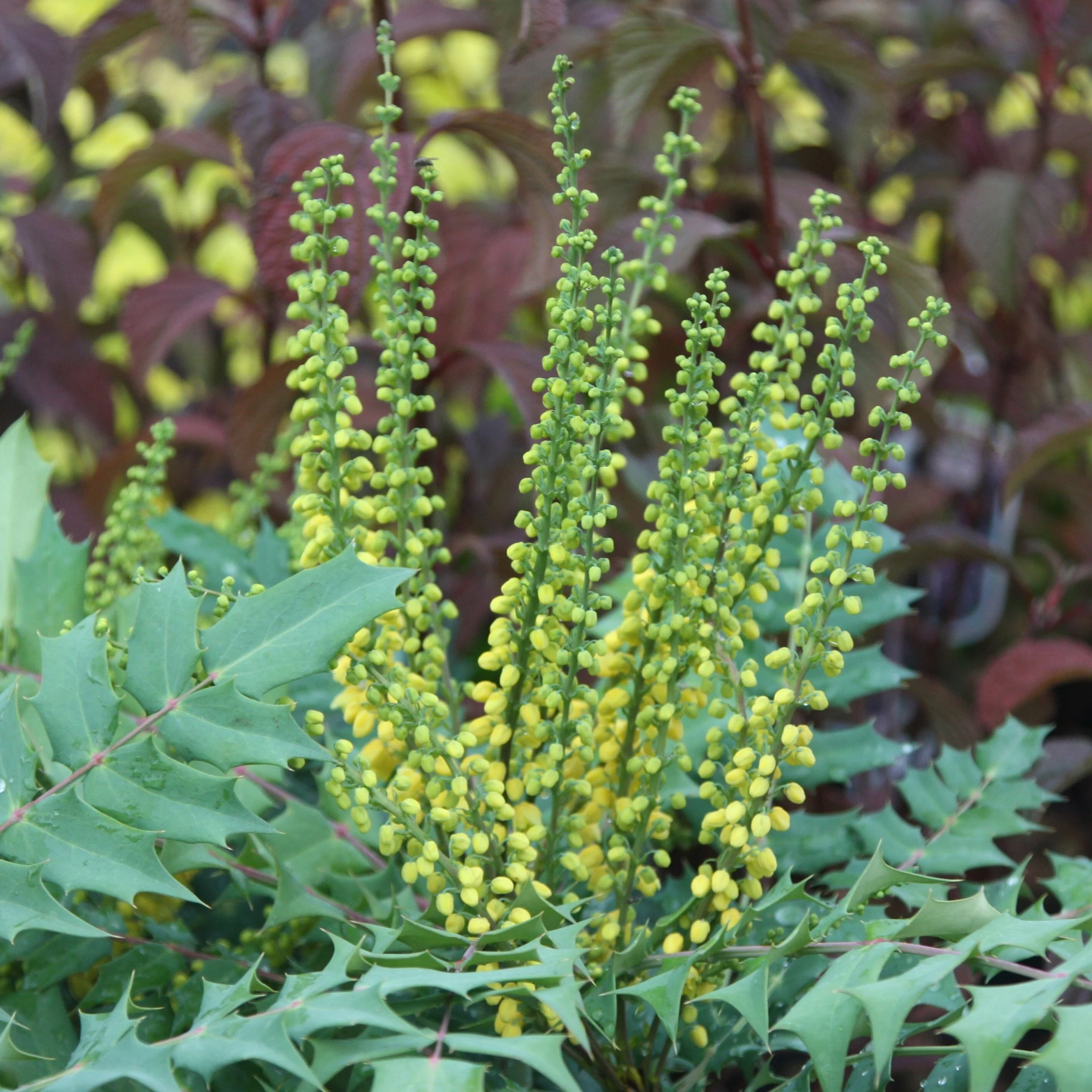
![]()
Mahonia × media 'Winter Sun'
-
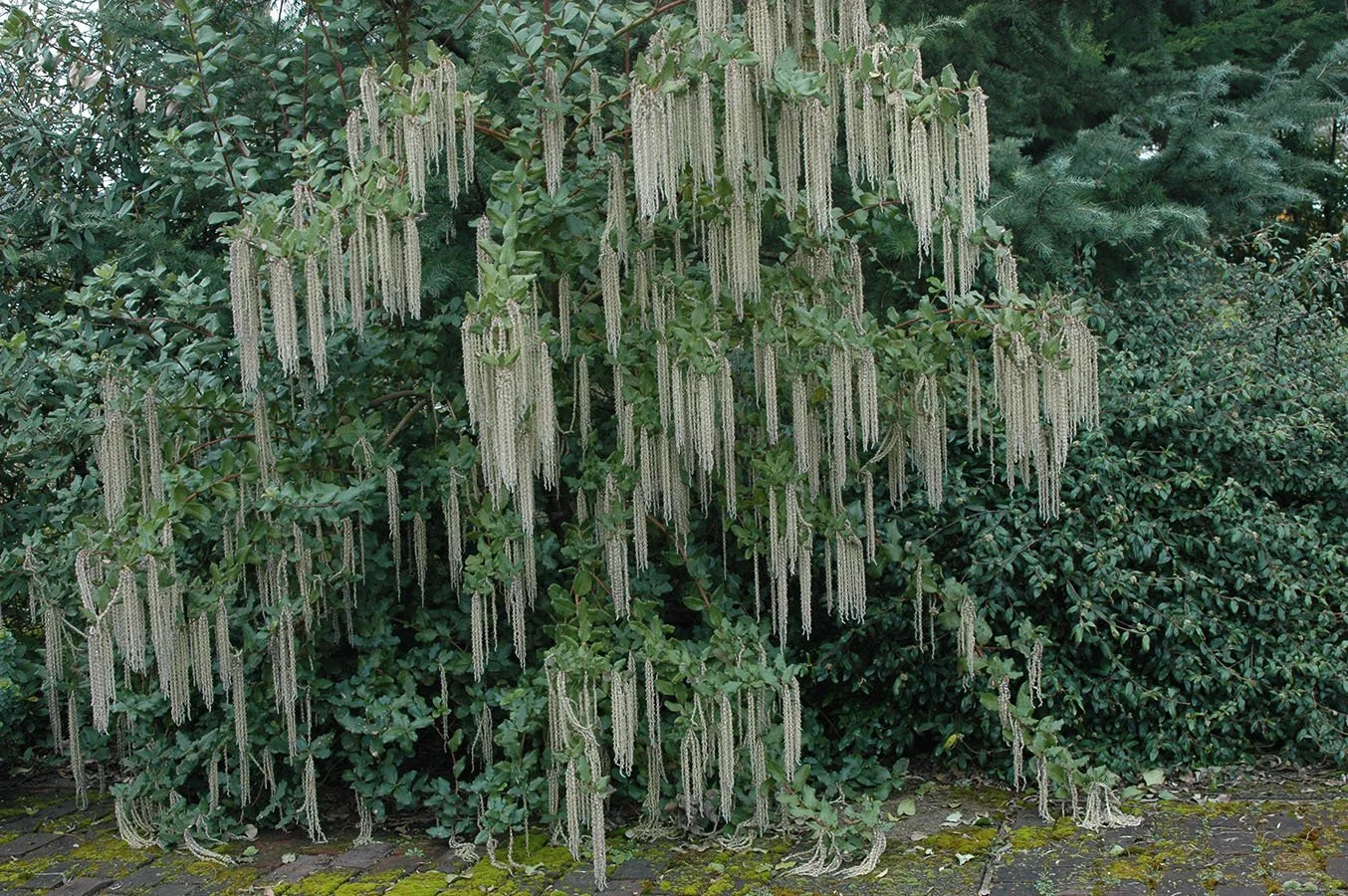
![]()
Garrya elliptica 'James Roof'
-
![Cornus sanguinea 'Midwinter Fire']()
Cornus sanguinea 'Midwinter Fire'
-
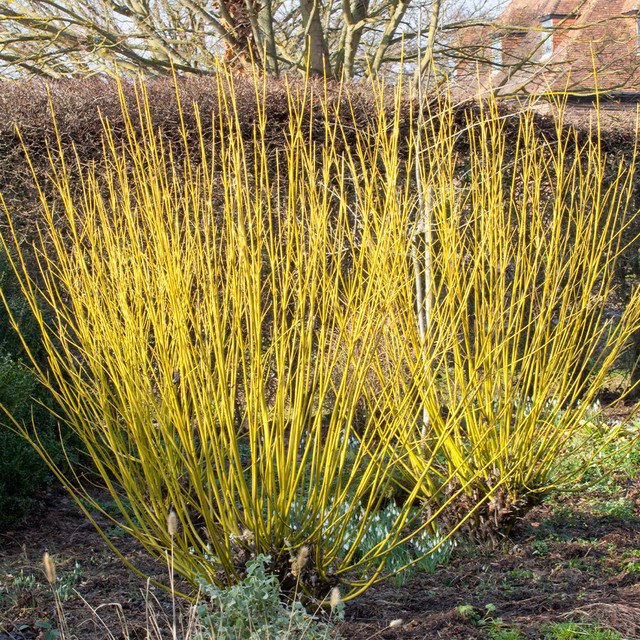
![Cornus sericea 'Flaviramea']()
Cornus sericea 'Flaviramea'
-
![Cornus alba 'Sibirica']()
Cornus alba 'Sibirica'
-
![Hamamelis × intermedia 'Jelena']()
Hamamelis × intermedia 'Jelena'
-
![Viburnum × bodnantense 'Dawn']()
Viburnum × bodnantense 'Dawn'
-
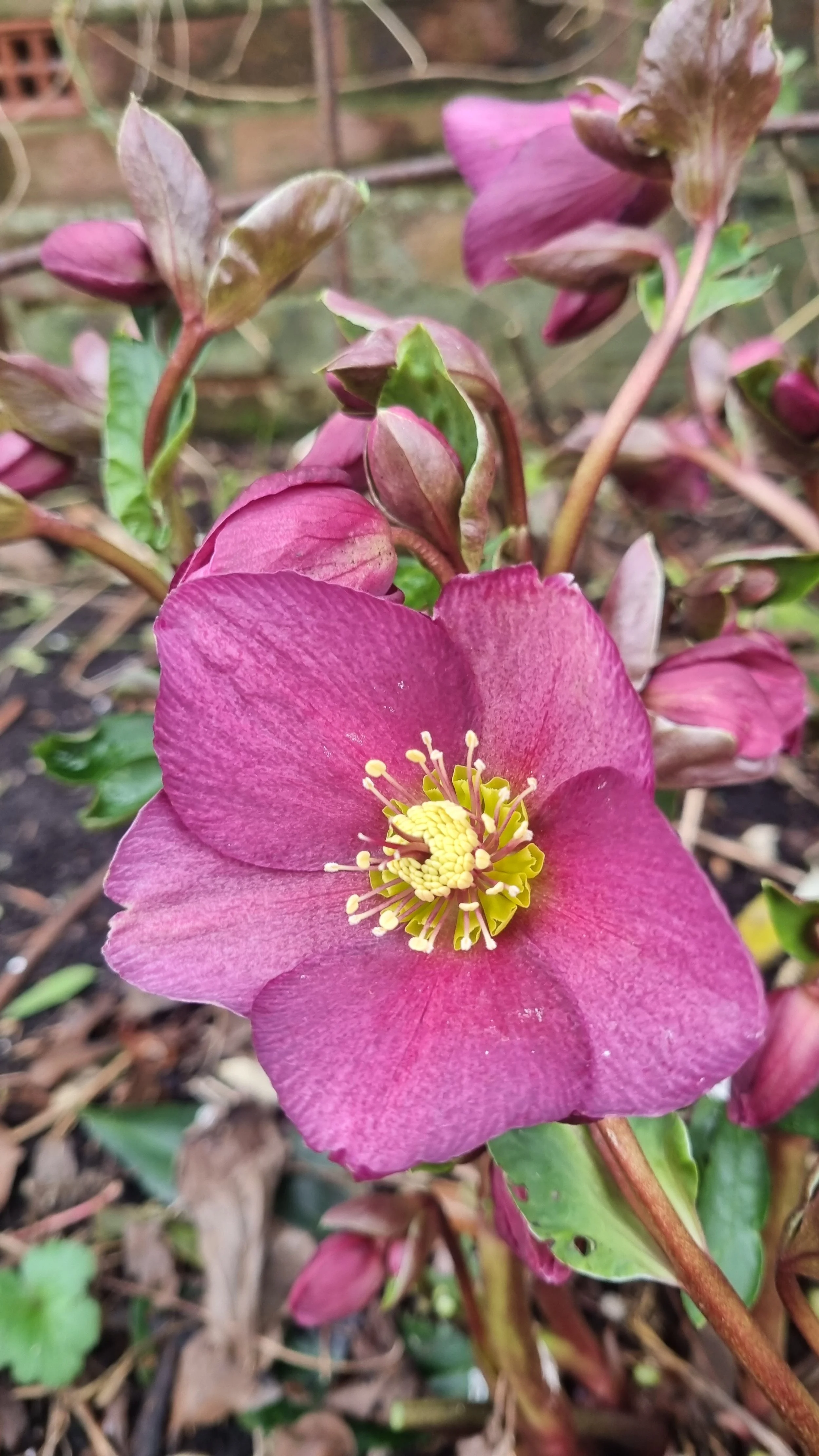
![Helleborus]()
Helleborus
-
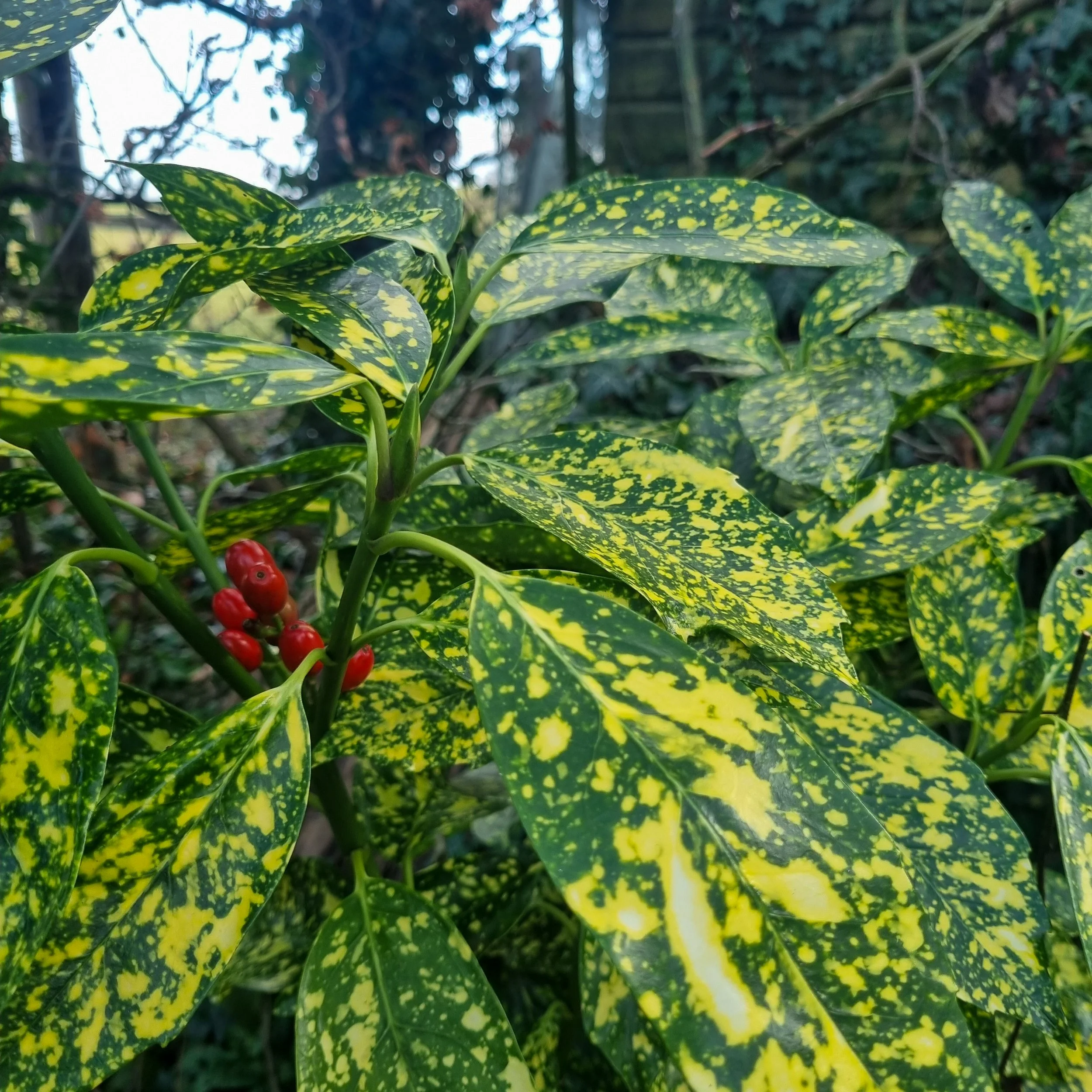
![Aucuba japonica]()
Aucuba japonica
-
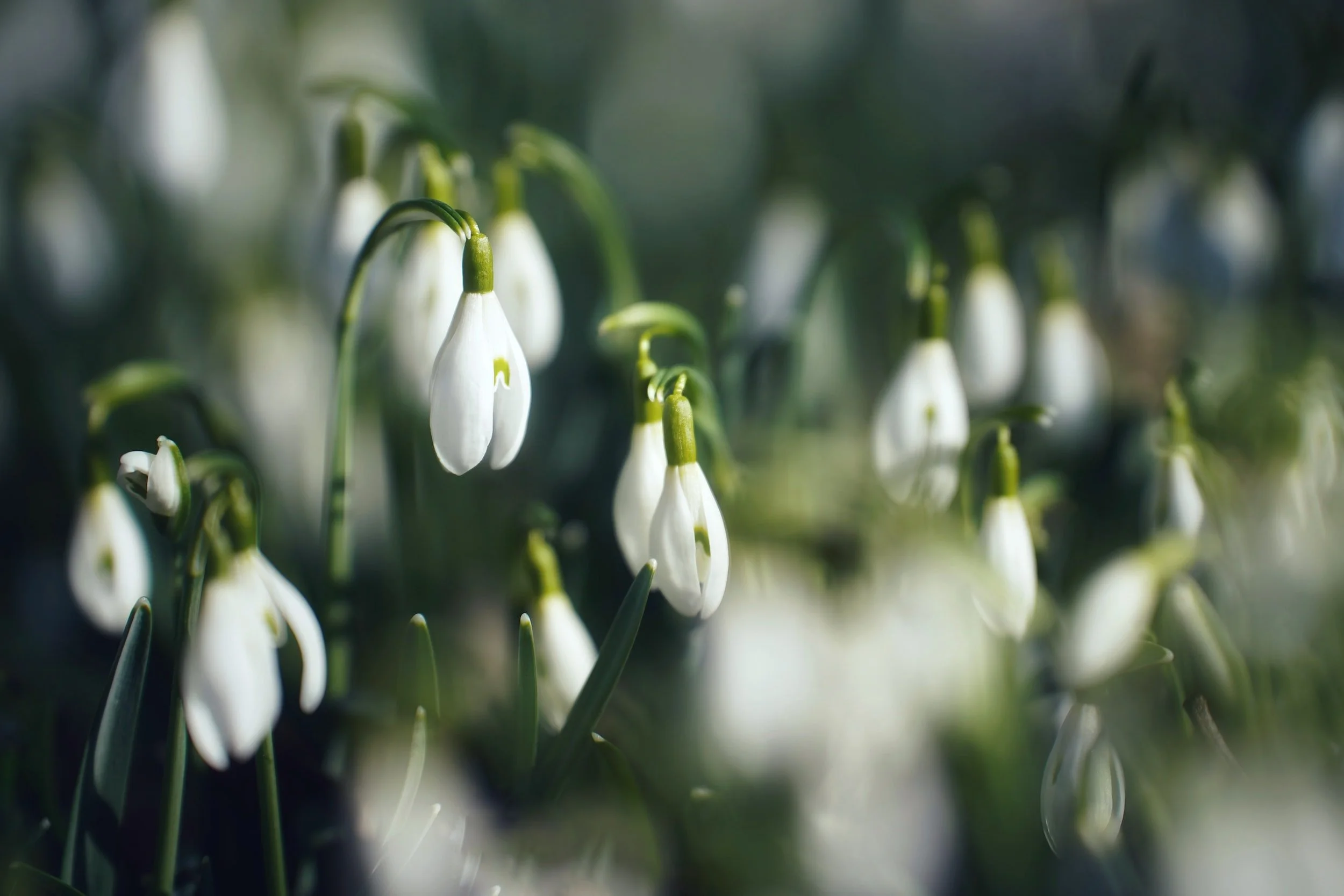
![]()
Galanthus nivalis