May in the garden
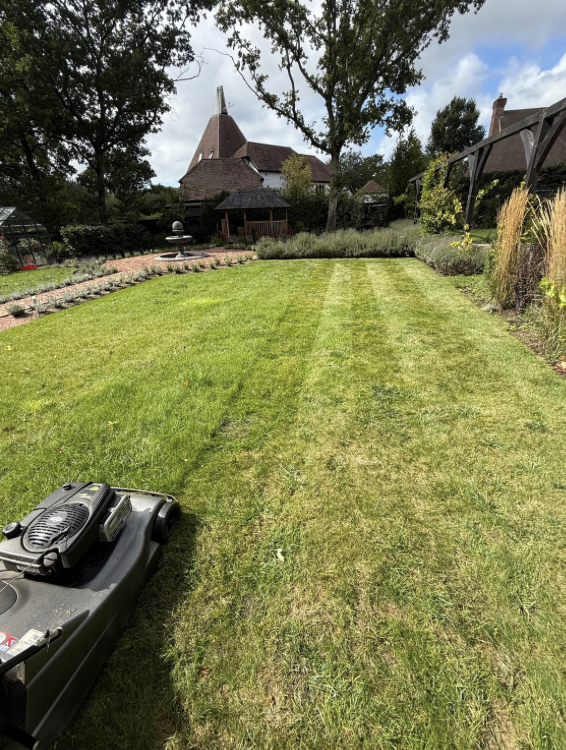
1. Lawn Mowing
As you will be using your mower a lot in may it is important to ensure your mower blades are sharp. However No mow may is something that has become popular as it introduces more colour through wild flowers and encourages wild life into your garden.
2. Water early & late
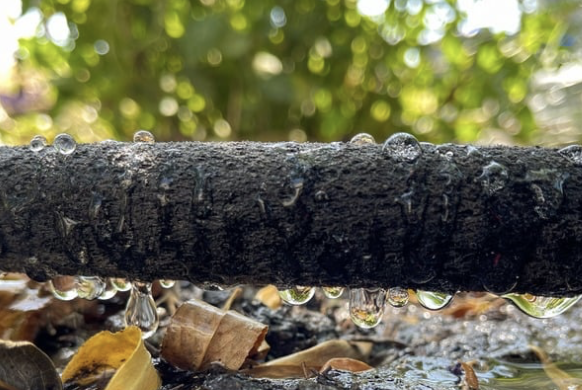
To allow you plants to get the most out of the water you give them try to water when it is cooler and less sunny. Also it may be a good idea to have collection tanks for water to save money.
3. Greenhouse ventilation
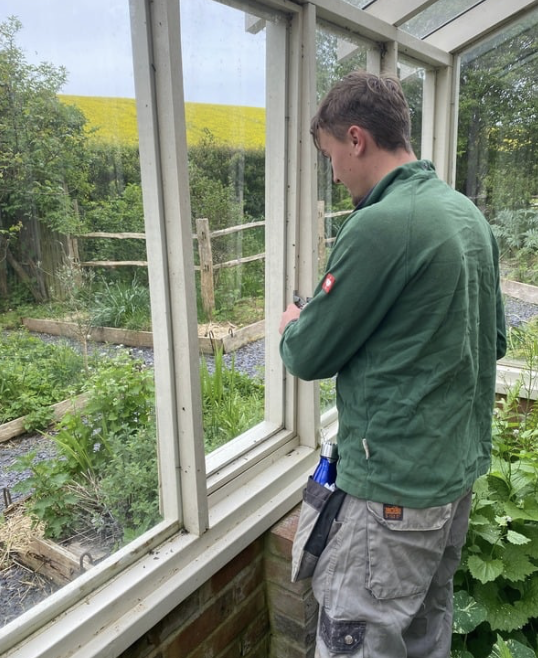
On very hot days it is important to open ventilation in your greenhouse or in some cases even shading.
4. Late frost
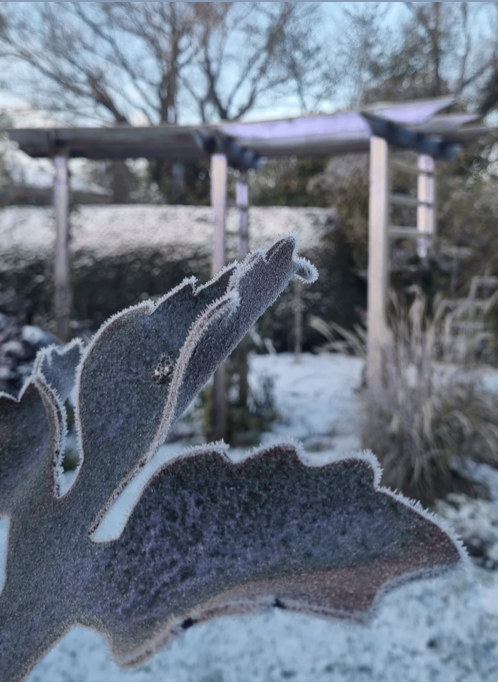
The temperature during the day might be warming up but be careful as the temperature at night will be a lot colder so it is important you keep an eye on the weather to check for any forecasted frosts. If there are any late frosts then tender plants should be wrapped and protected. As a lot of fruit trees will be in flower late frosts could destroy a potential crop.

Lupin
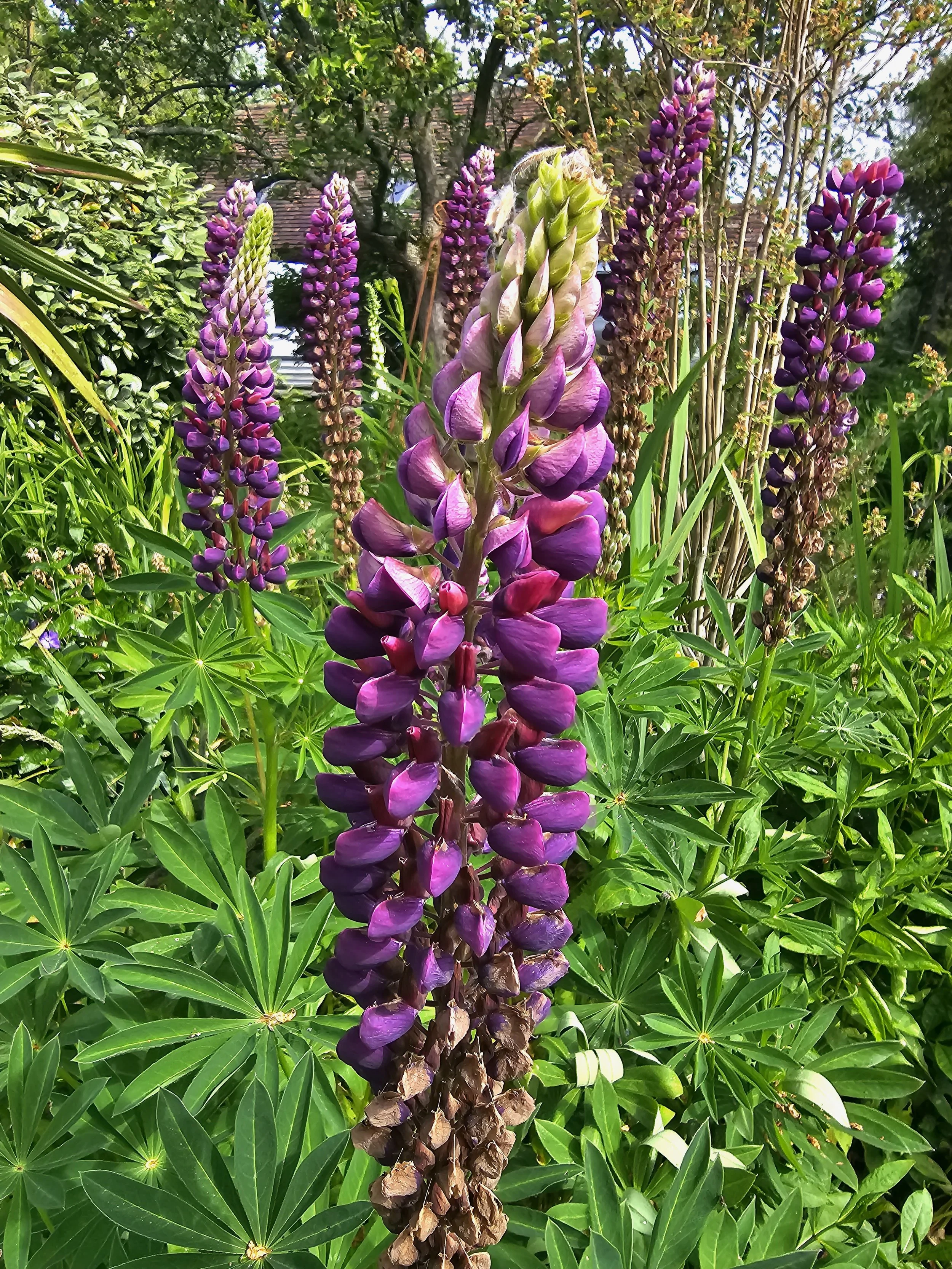
Lupin flowers grow in tall, spiky clusters that can reach over a foot high, with pea-like blossoms arranged densely along the stem. Their colors range from purple, blue, and pink to white, often with a gradient effect. Lupins add vertical interest and vibrant color to gardens while improving soil fertility by fixing nitrogen in the ground.
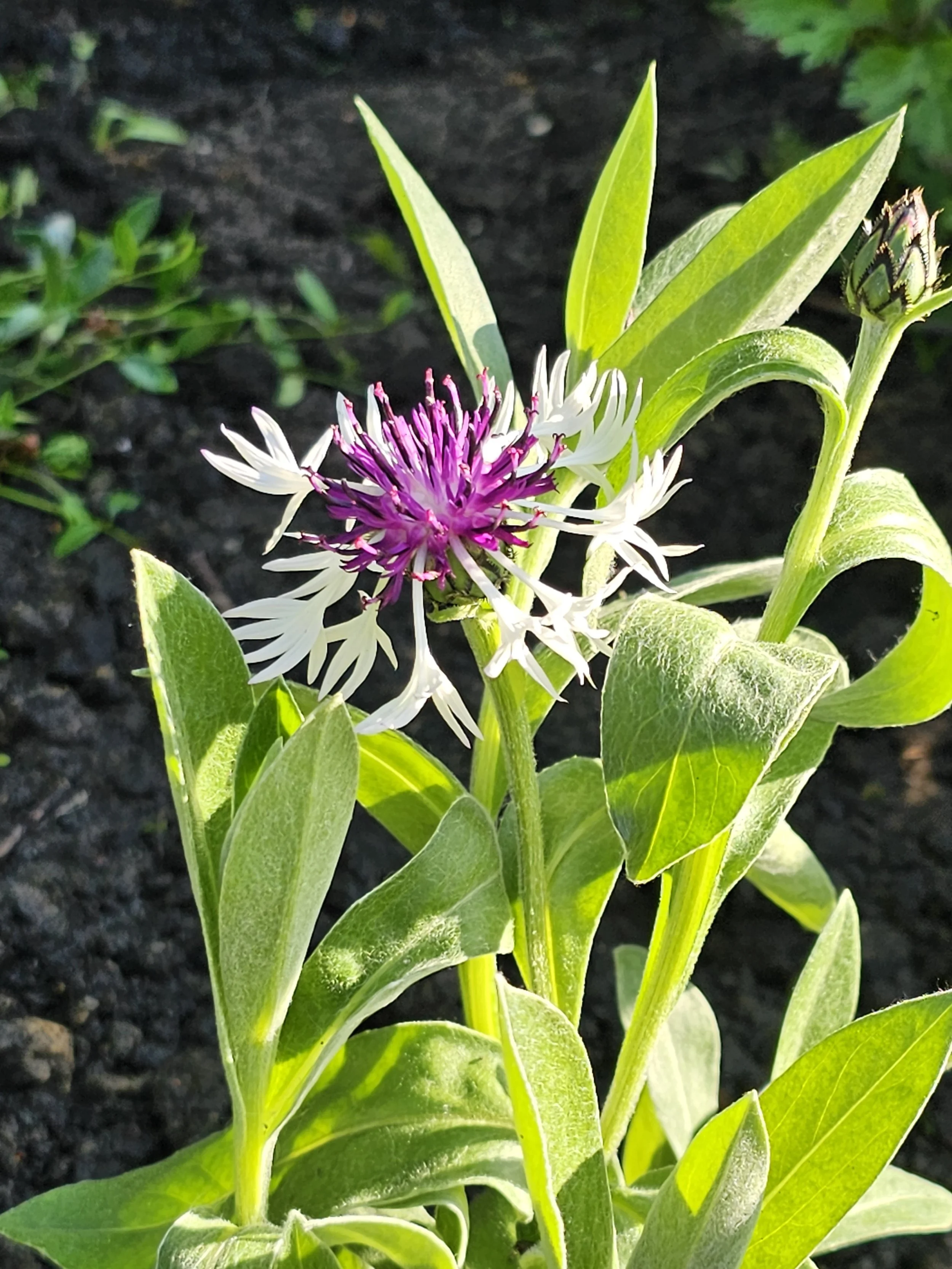
Centaurea Montana
Centaurea montana, also called the mountain cornflower, produces vivid blue, fringed flowers with a dark purple center in late spring to early summer. Its mounded, gray-green leaves provide a soft, textured backdrop for the blooms. This hardy perennial attracts pollinators like bees and butterflies and adds a cheerful splash of color to garden borders and wildflower areas.
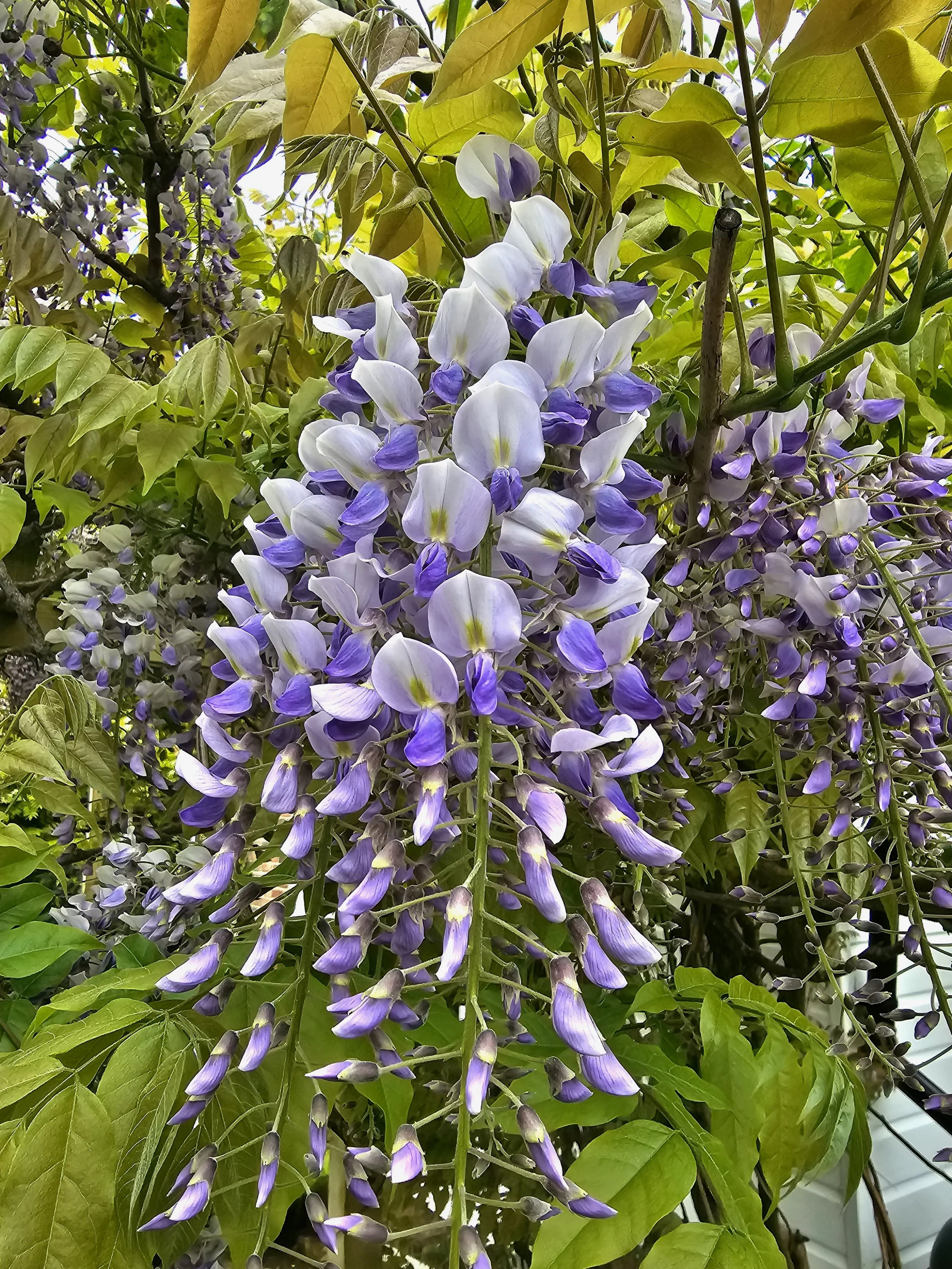
WISTERIA
Wisteria is a climbing vine known for its cascades of fragrant, drooping flowers in shades of purple, blue, or white that bloom in late spring. Its twisting stems and lush foliage create a dramatic, ornamental effect on trellises, pergolas, or walls. In the garden, wisteria brings striking visual beauty, sweet fragrance, and a sense of romantic charm, while providing shade and habitat for birds and pollinators.
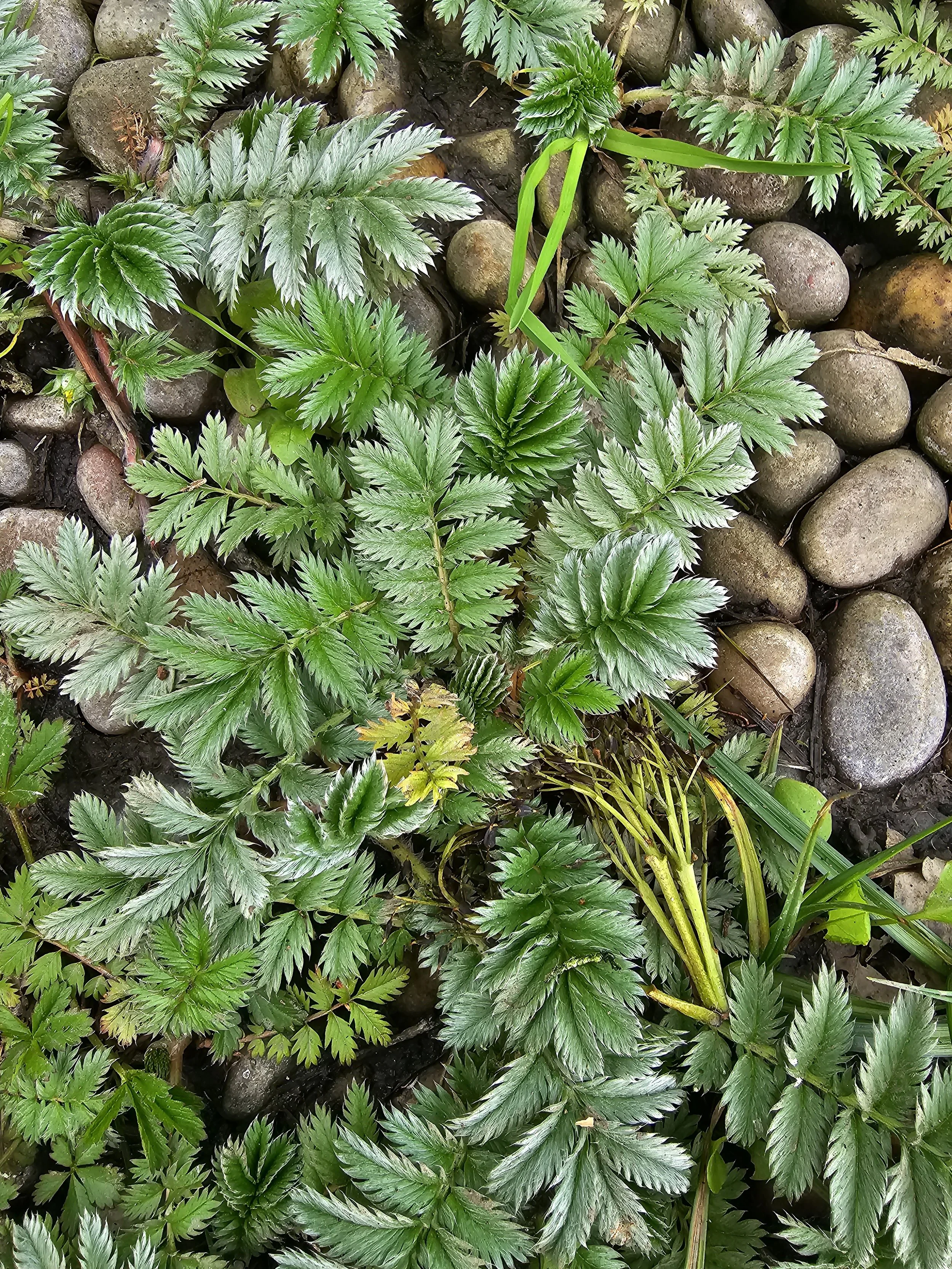
Argentina Anserina
Argentina anserina, commonly called silverweed, is a low-growing perennial with fern-like, silvery-green leaves and small, bright yellow, buttercup-like flowers that bloom from late spring into summer. It spreads via creeping stems, forming a soft, ground-covering carpet. In the garden, it brings colorful, long-lasting blooms, textured foliage, and erosion control, making it ideal for borders, rock gardens, or wildflower meadows.
PLANTS FOR WINTER INTEREST
-
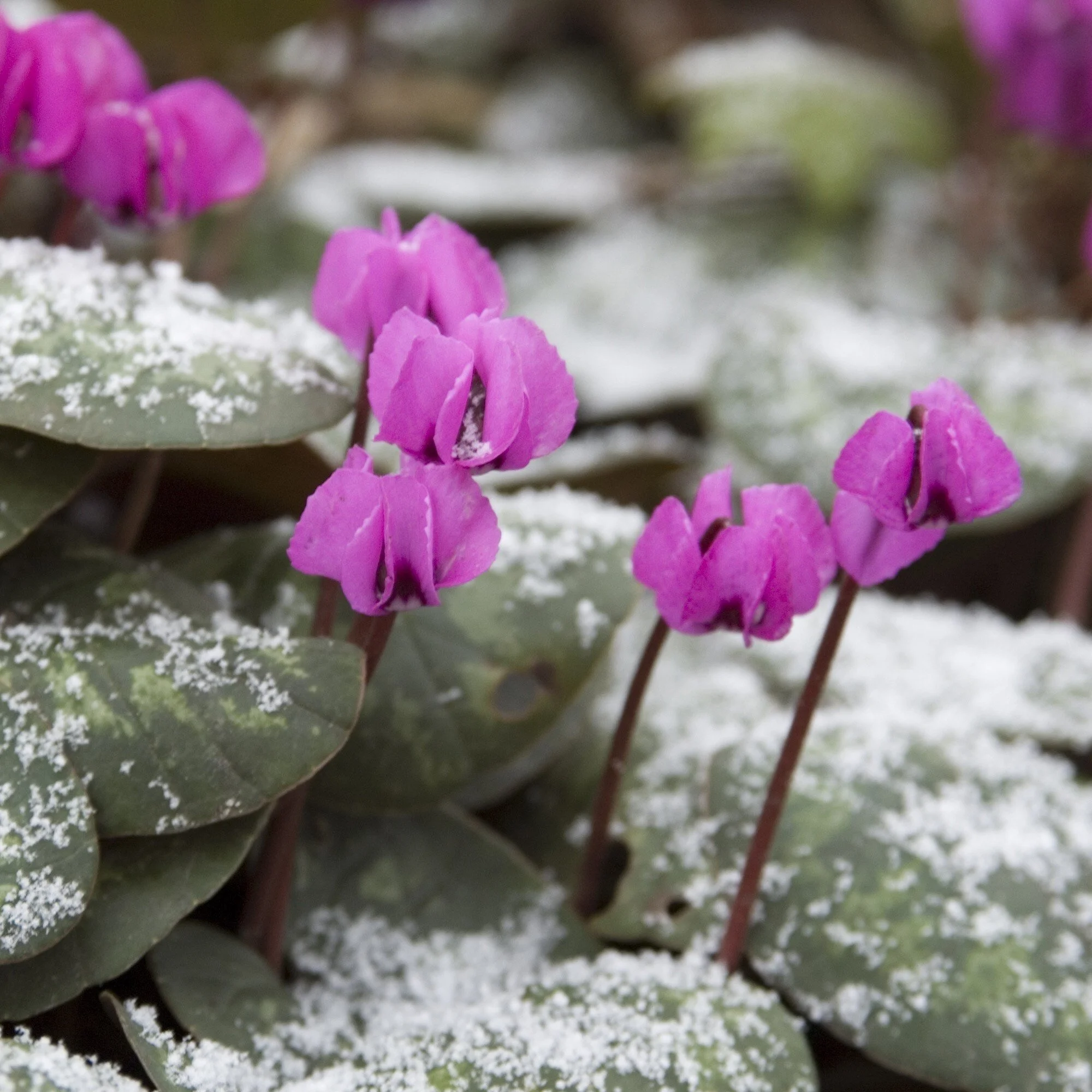
![Cyclamen coum]()
Cyclamen coum
-
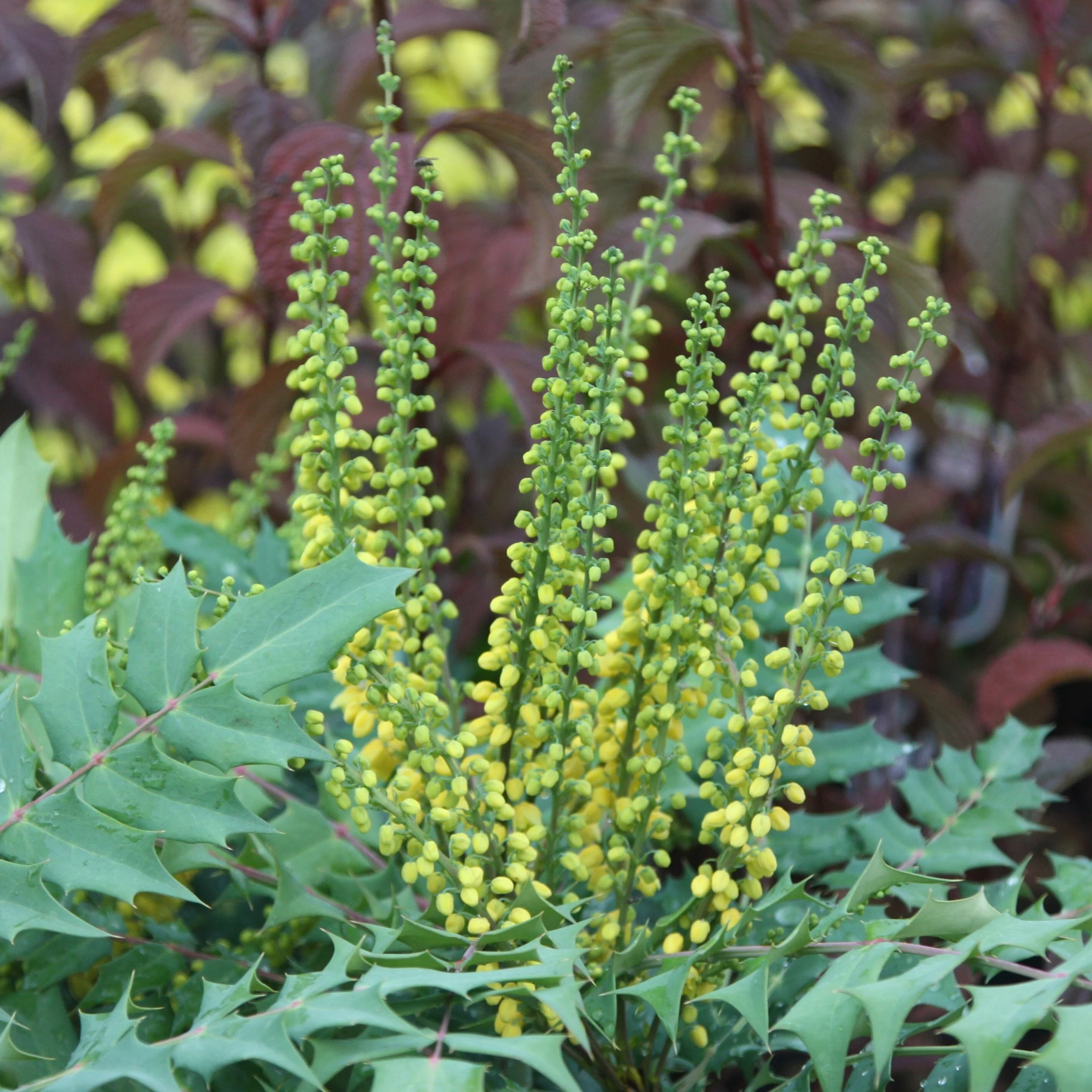
![]()
Mahonia × media 'Winter Sun'
-
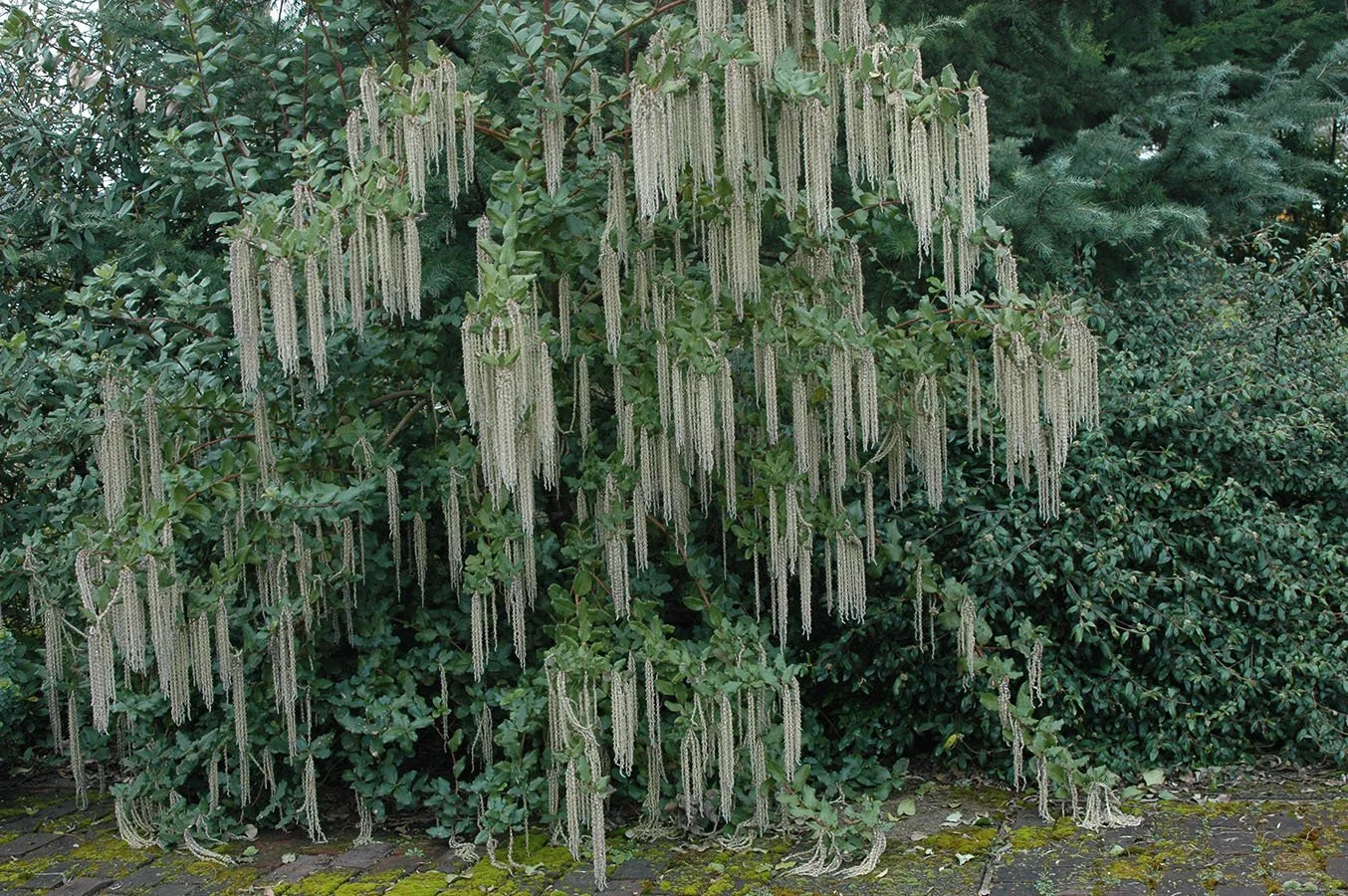
![]()
Garrya elliptica 'James Roof'
-
![Cornus sanguinea 'Midwinter Fire']()
Cornus sanguinea 'Midwinter Fire'
-
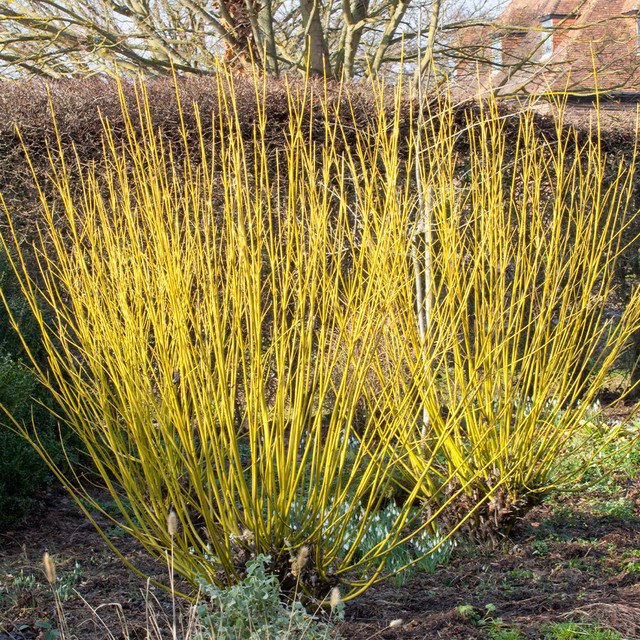
![Cornus sericea 'Flaviramea']()
Cornus sericea 'Flaviramea'
-
![Cornus alba 'Sibirica']()
Cornus alba 'Sibirica'
-
![Hamamelis × intermedia 'Jelena']()
Hamamelis × intermedia 'Jelena'
-
![Viburnum × bodnantense 'Dawn']()
Viburnum × bodnantense 'Dawn'
-
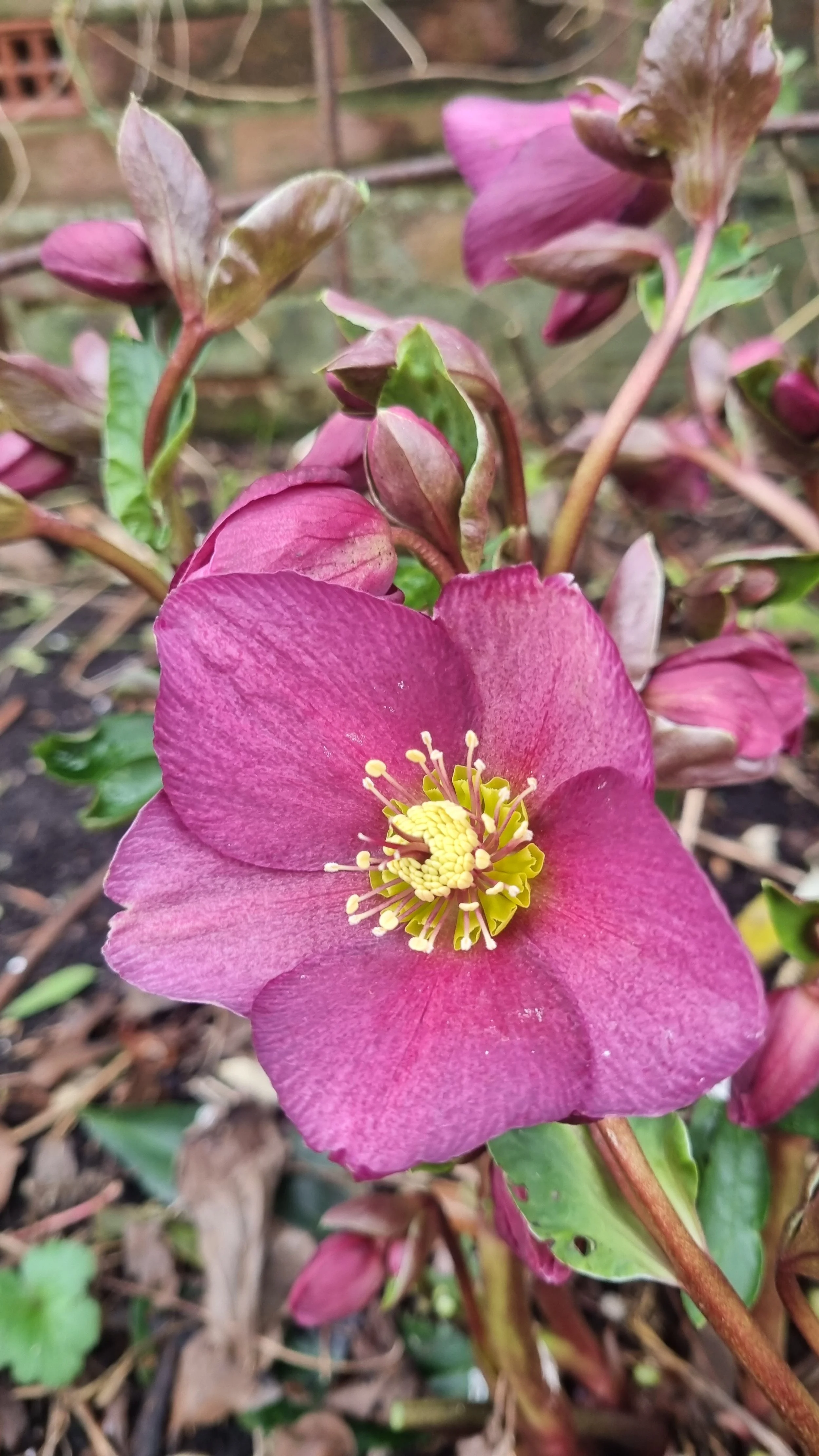
![Helleborus]()
Helleborus
-
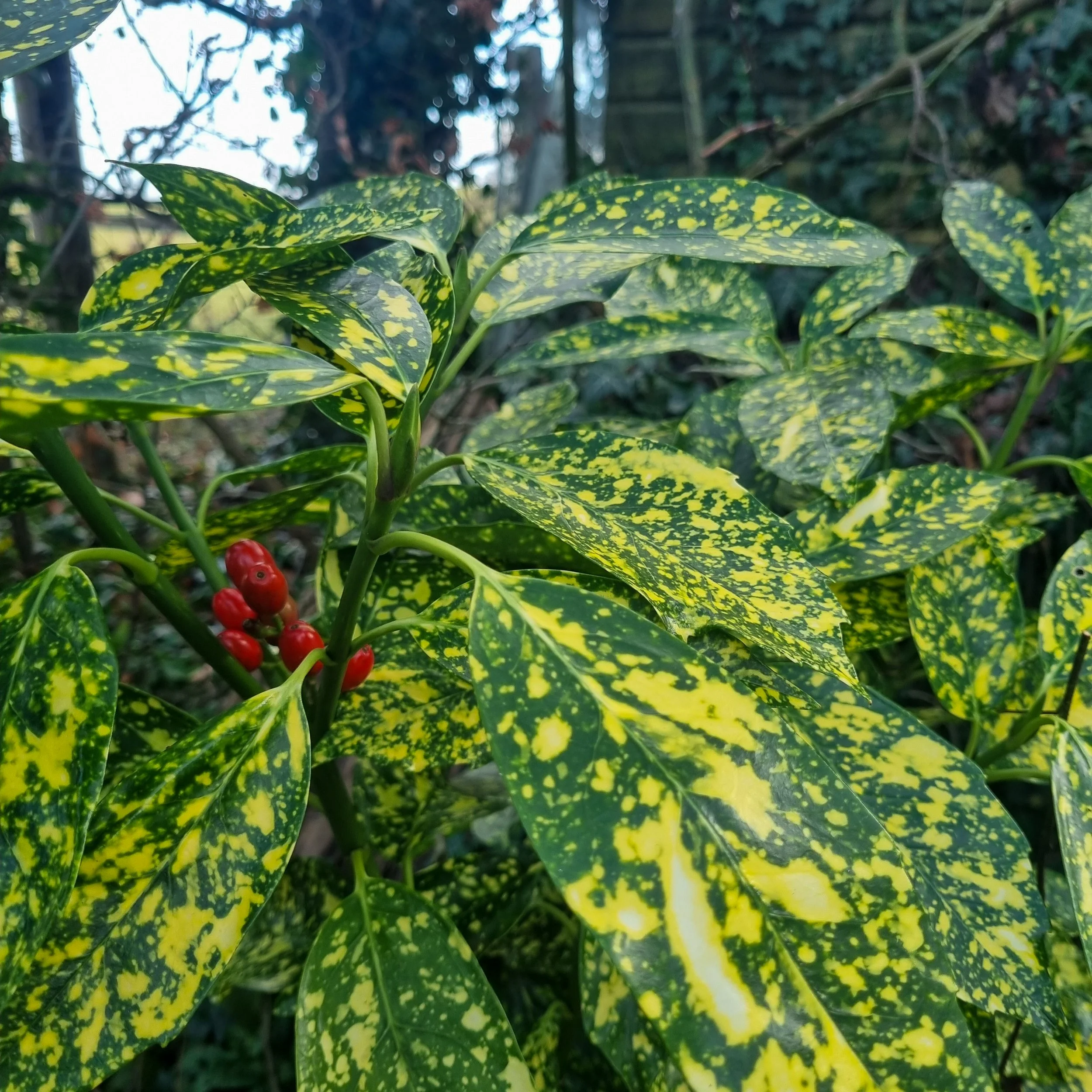
![Aucuba japonica]()
Aucuba japonica
-
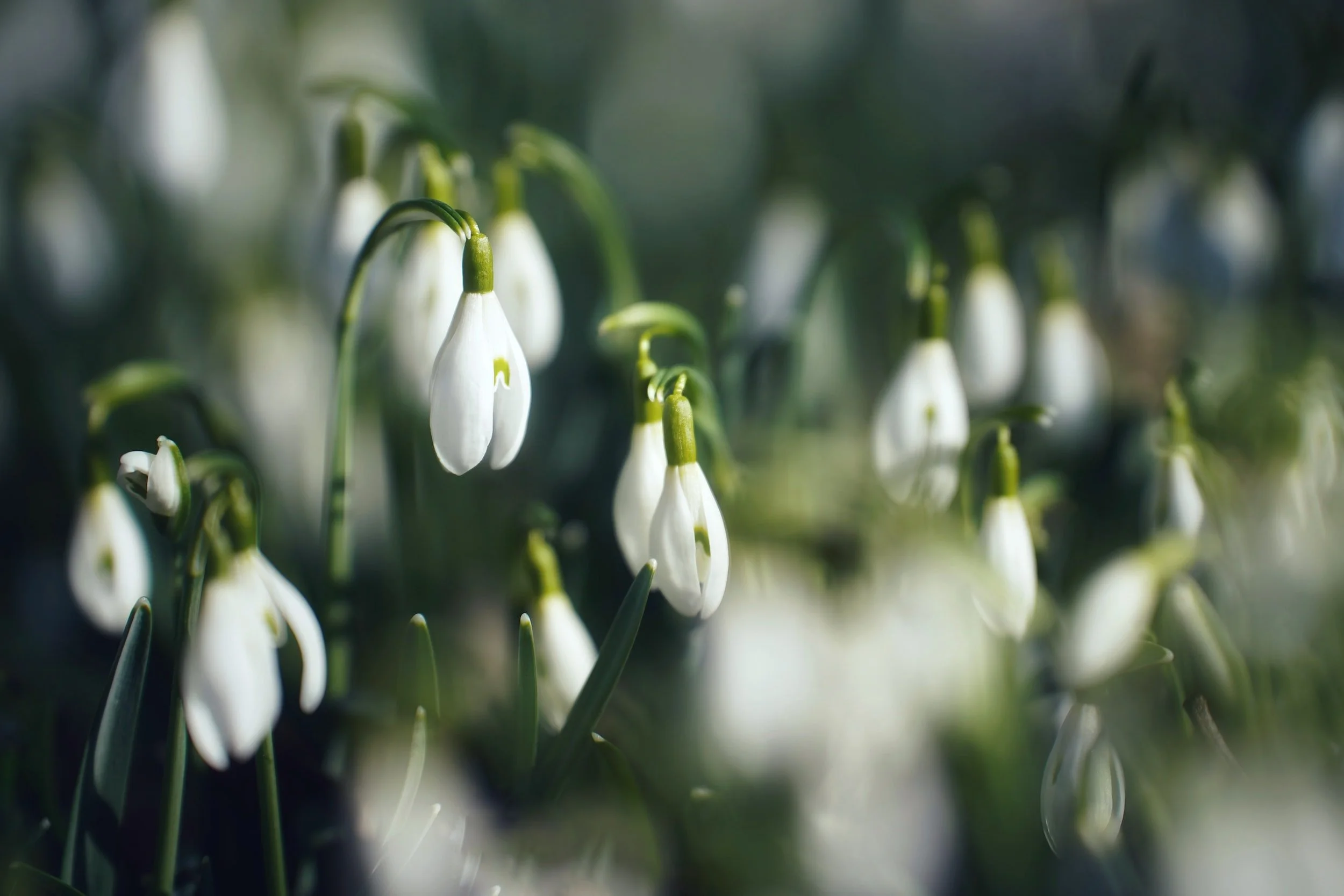
![]()
Galanthus nivalis