JUNE in the garden
1. Using water wisely
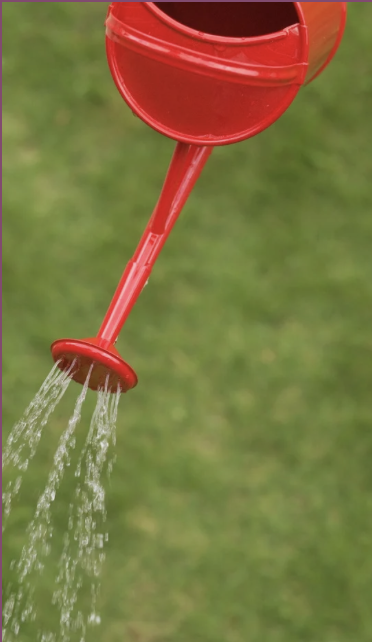
Wartering your plants correctly during a drought is not only important to allow your plants to survive and thrive, it will also help you to save money and minimise pests and diseases. This is done by watering at the best times to optimise your water which is in the morning, this is because when the sun comes up is when the plants will begin to use the water. Also if you water during the heat of the day a lot of the water will evaporate.
2. Mowing lawns once a week
As the temperature has now increased the grass will be growing at a much faster rate so if you want to keep your lawn well trimmed then you should be cutting your grass at least once a week.
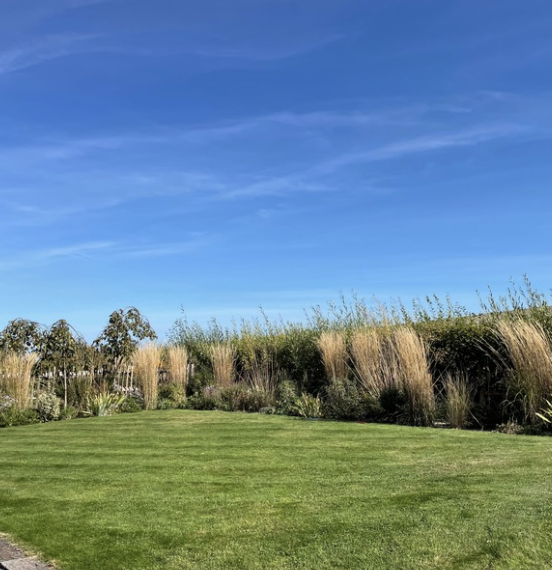
3. Perennial Staking
As perennials often put on a lot of growth making them susceptible to collapse in strong winds and heavy rains Staking them will help prevent this especially with hybrids that have large heavy flowers.
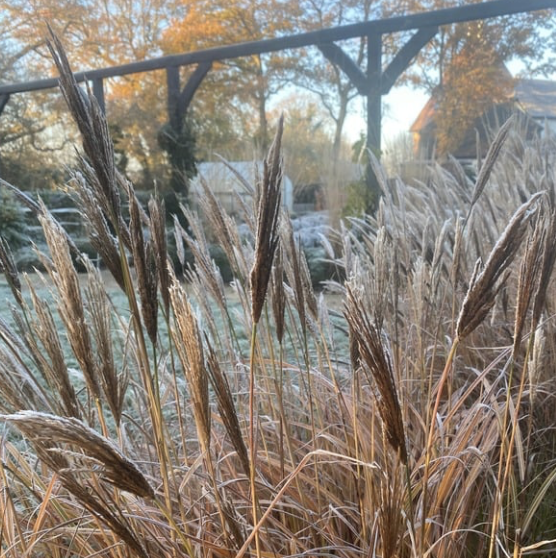
4. Hoe & weed borders regularly
As long as you keep on top of weeding then there is no need to restore to using weed killers as they can also affect the plants you want to keep so it is best to avoid them.
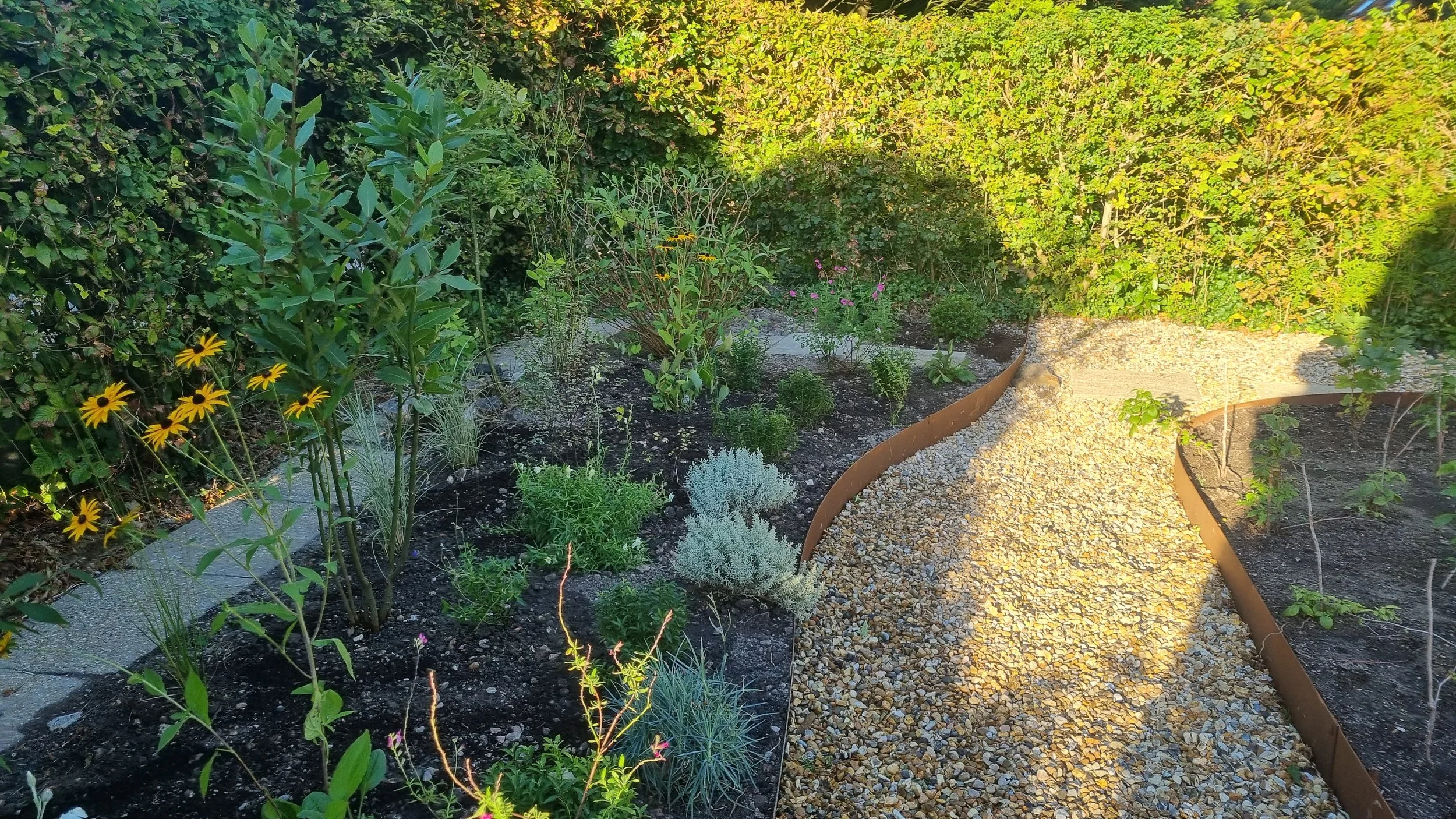
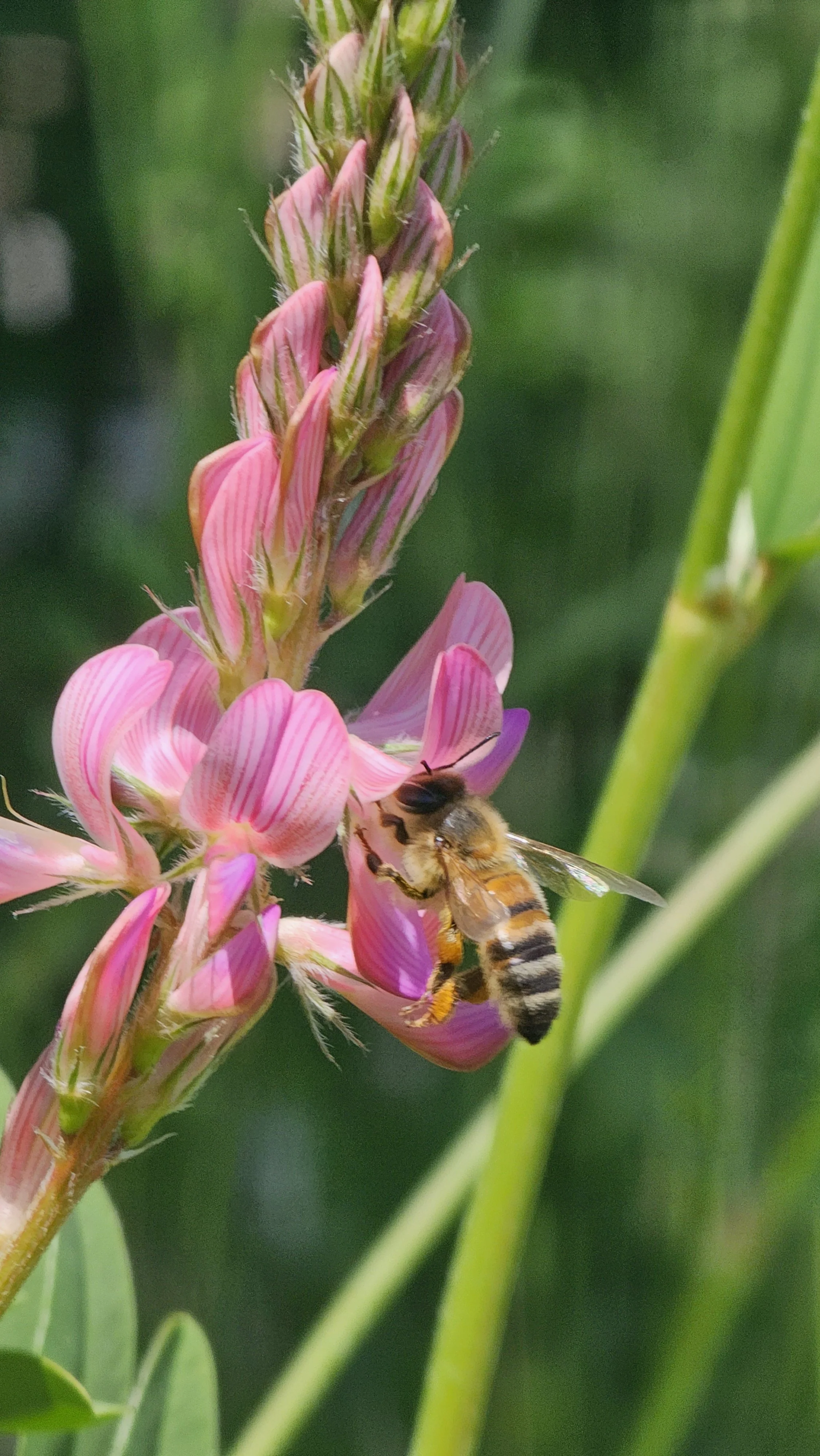

Onobrychis Viciifolia
Onobrychis viciifolia, commonly known as sainfoin, is a perennial legume with upright stems and pinnate green leaves. It produces clusters of pink to pale purple pea-like flowers in late spring to early summer. In the garden or pasture, it attracts pollinators, improves soil fertility by fixing nitrogen, and provides nectar for bees, while adding delicate color and structure to flower borders or meadows.
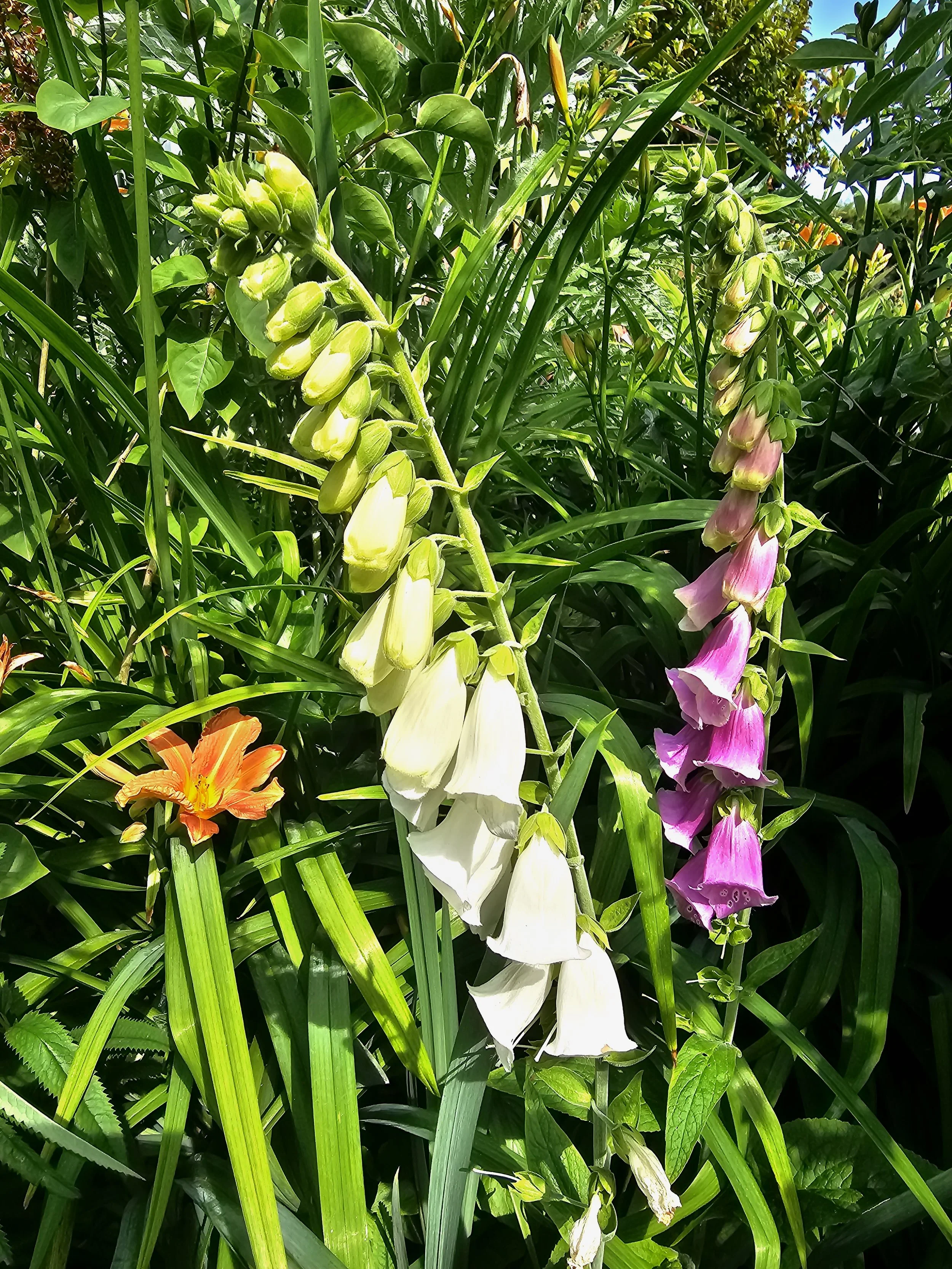
Digitalis
Foxgloves bring vertical interest and vibrant color to garden beds, making them excellent focal points or back-of-border plants. Their nectar-rich flowers attract bees, hummingbirds, and other pollinators, supporting the health of surrounding plants. Additionally, their tall, architectural spikes add structure and a classic cottage-garden charm, enhancing both beauty and biodiversity in the garden.
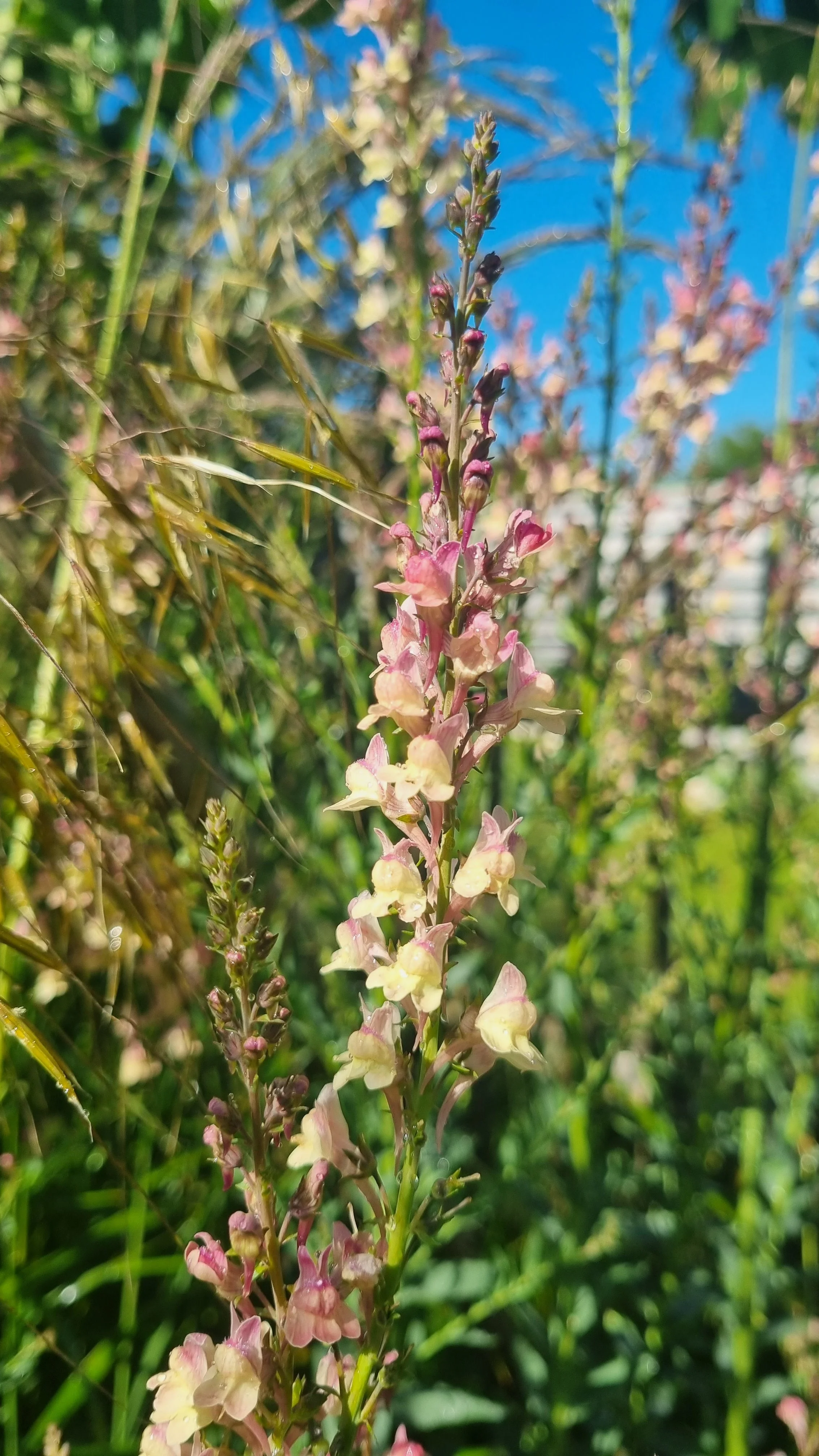
Linaria
Linaria, often called toadflax, produces delicate spikes of small, snapdragon-like flowers in shades of purple, yellow, pink, or cream. The blooms are lightly fragrant and sit above slender stems with narrow, airy foliage, giving the plant a soft, wildflower feel. In the garden, linaria adds lightness, movement, and long-lasting color, while attracting bees and other pollinators.
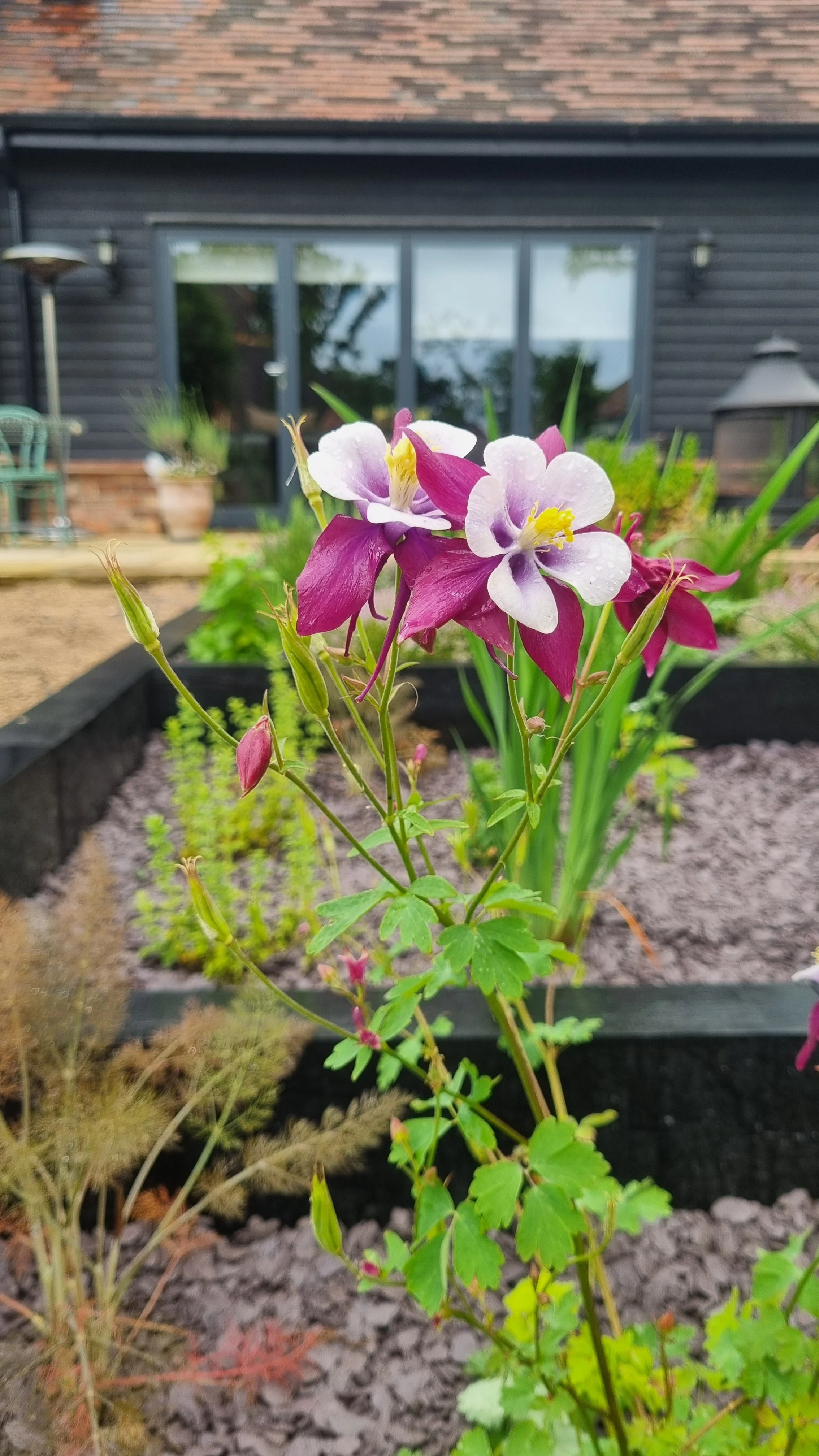
Aquilegia Genus
Aquilegia, commonly known as columbine, is a graceful perennial genus with nodding, spurred flowers that bloom in spring to early summer. The flowers come in shades of blue, purple, pink, red, yellow, and white, often with contrasting centers, and rise above soft, fern-like foliage. In the garden, aquilegia brings a delicate, woodland charm, attracts pollinators like bees, and adds lightness and movement to borders and shaded areas.
PLANTS FOR WINTER INTEREST
-
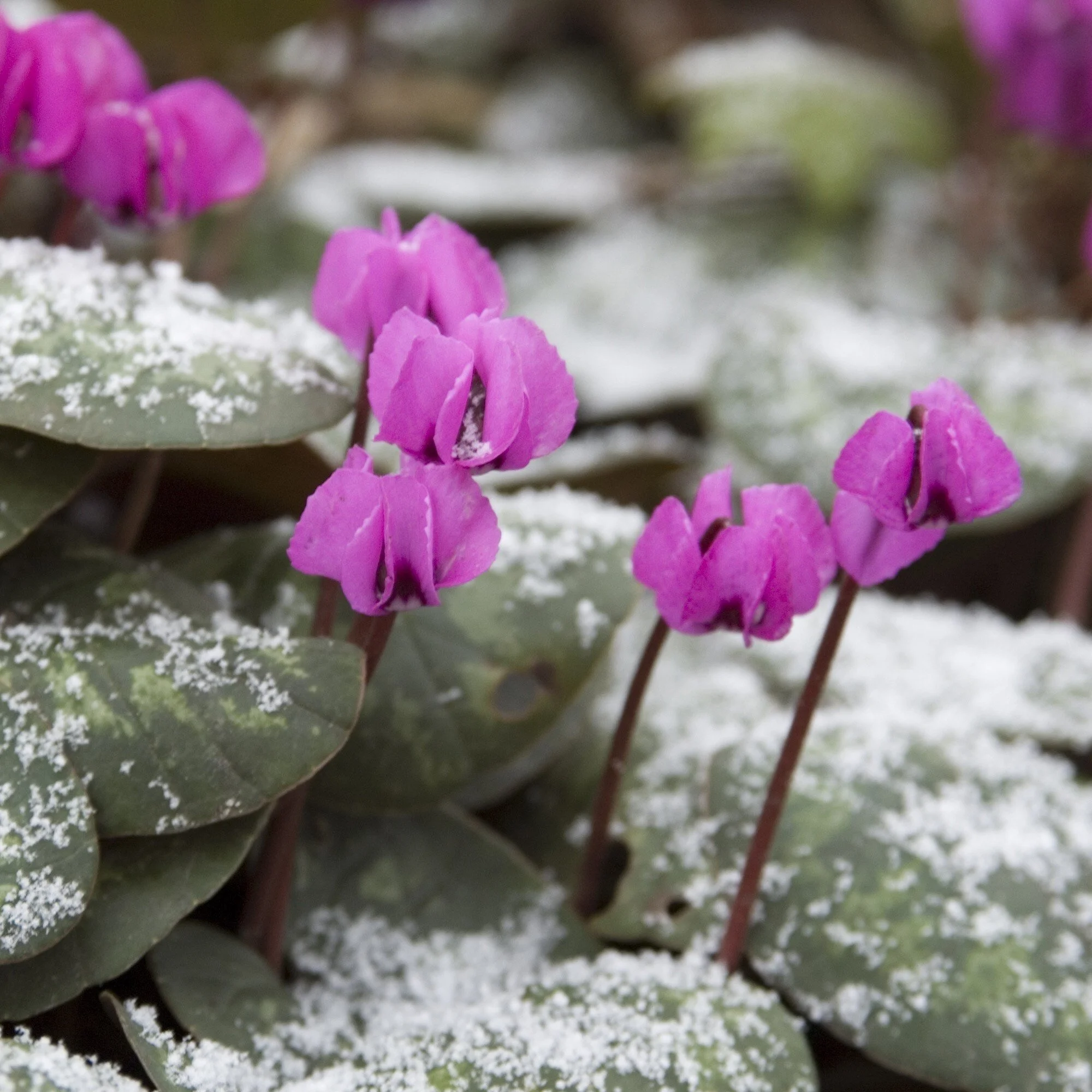
![Cyclamen coum]()
Cyclamen coum
-
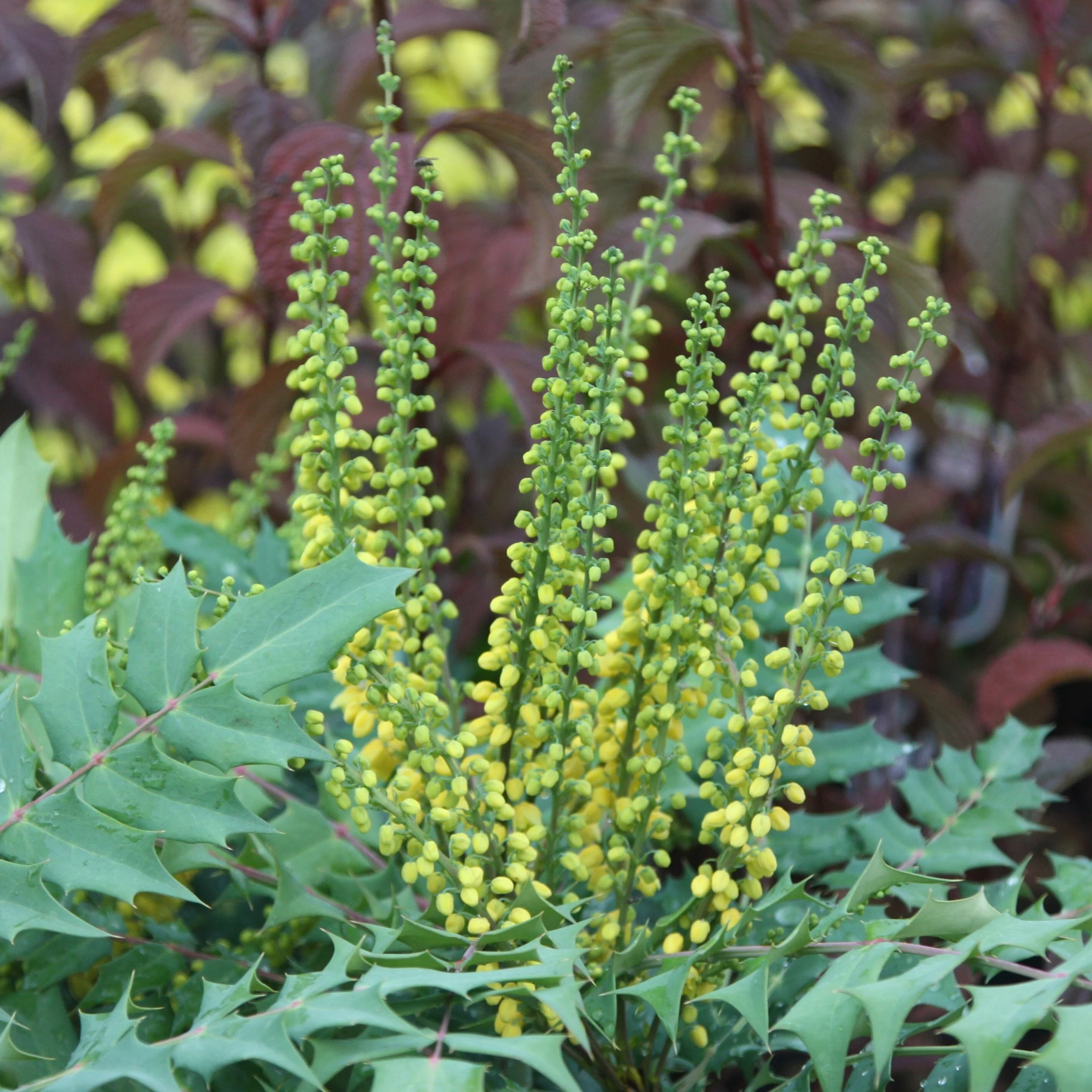
![]()
Mahonia × media 'Winter Sun'
-
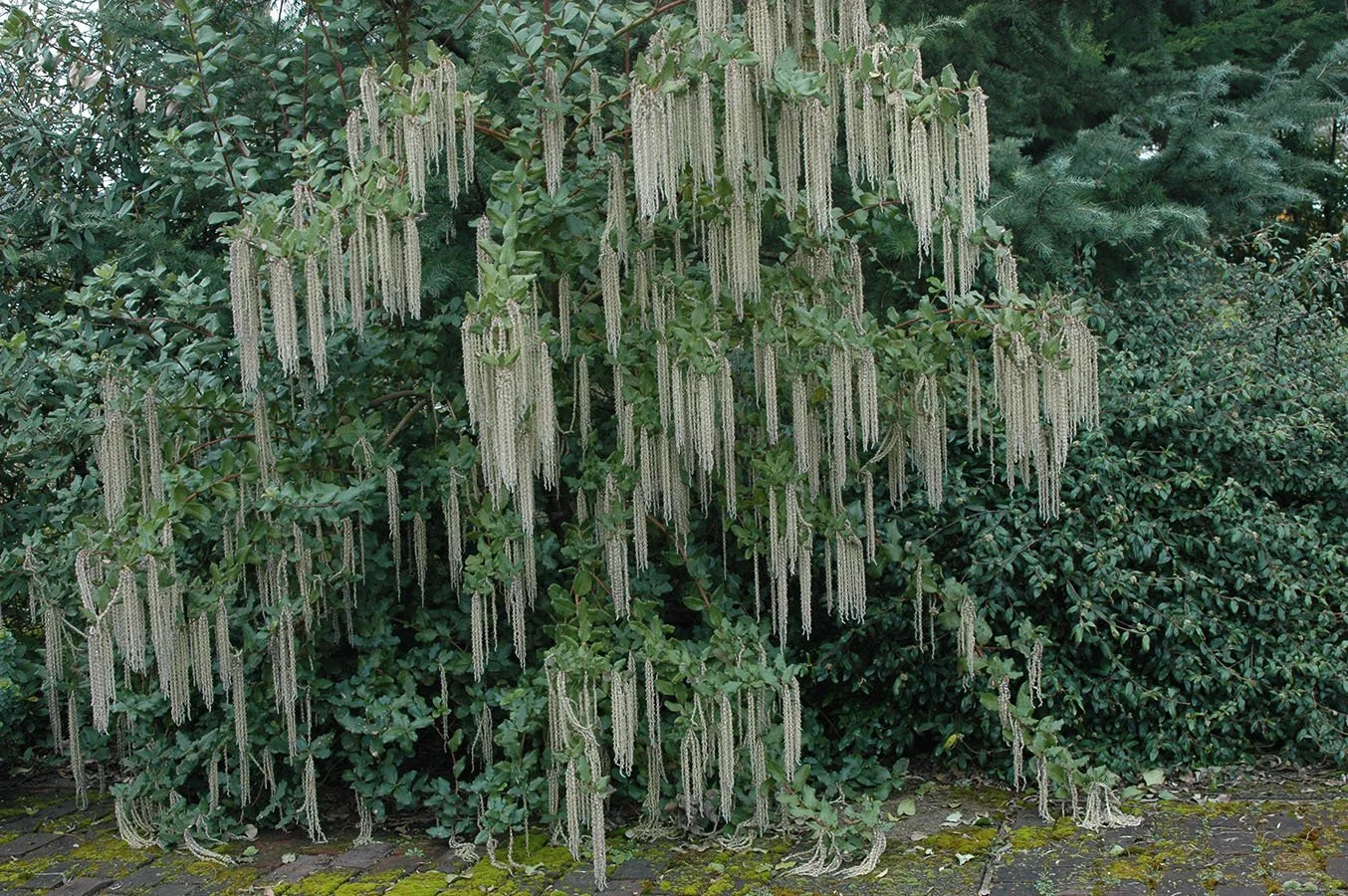
![]()
Garrya elliptica 'James Roof'
-
![Cornus sanguinea 'Midwinter Fire']()
Cornus sanguinea 'Midwinter Fire'
-
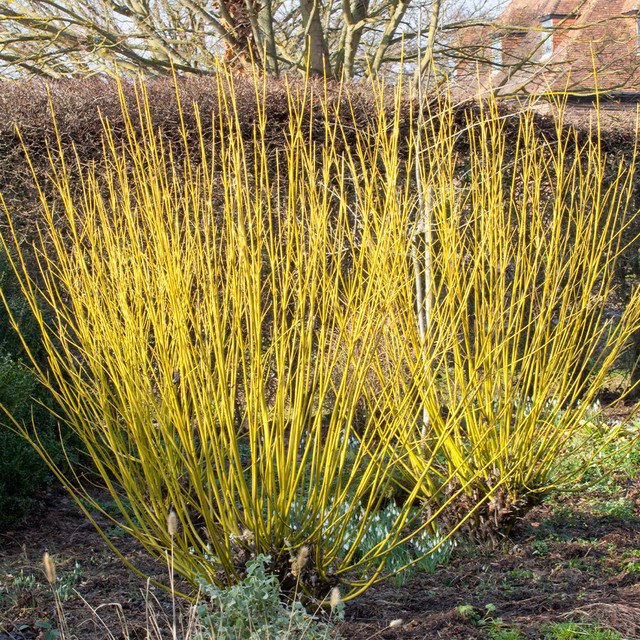
![Cornus sericea 'Flaviramea']()
Cornus sericea 'Flaviramea'
-
![Cornus alba 'Sibirica']()
Cornus alba 'Sibirica'
-
![Hamamelis × intermedia 'Jelena']()
Hamamelis × intermedia 'Jelena'
-
![Viburnum × bodnantense 'Dawn']()
Viburnum × bodnantense 'Dawn'
-
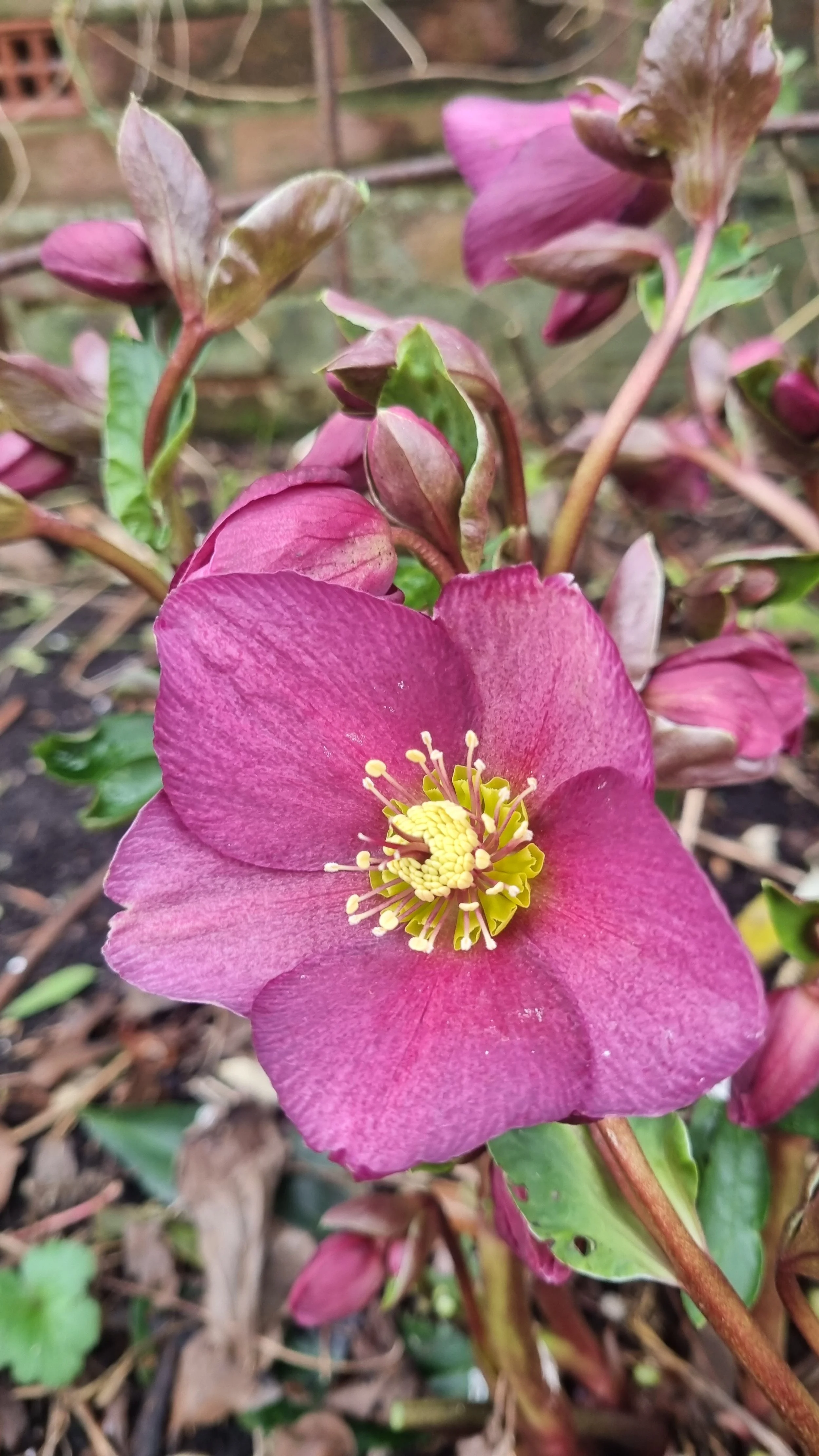
![Helleborus]()
Helleborus
-
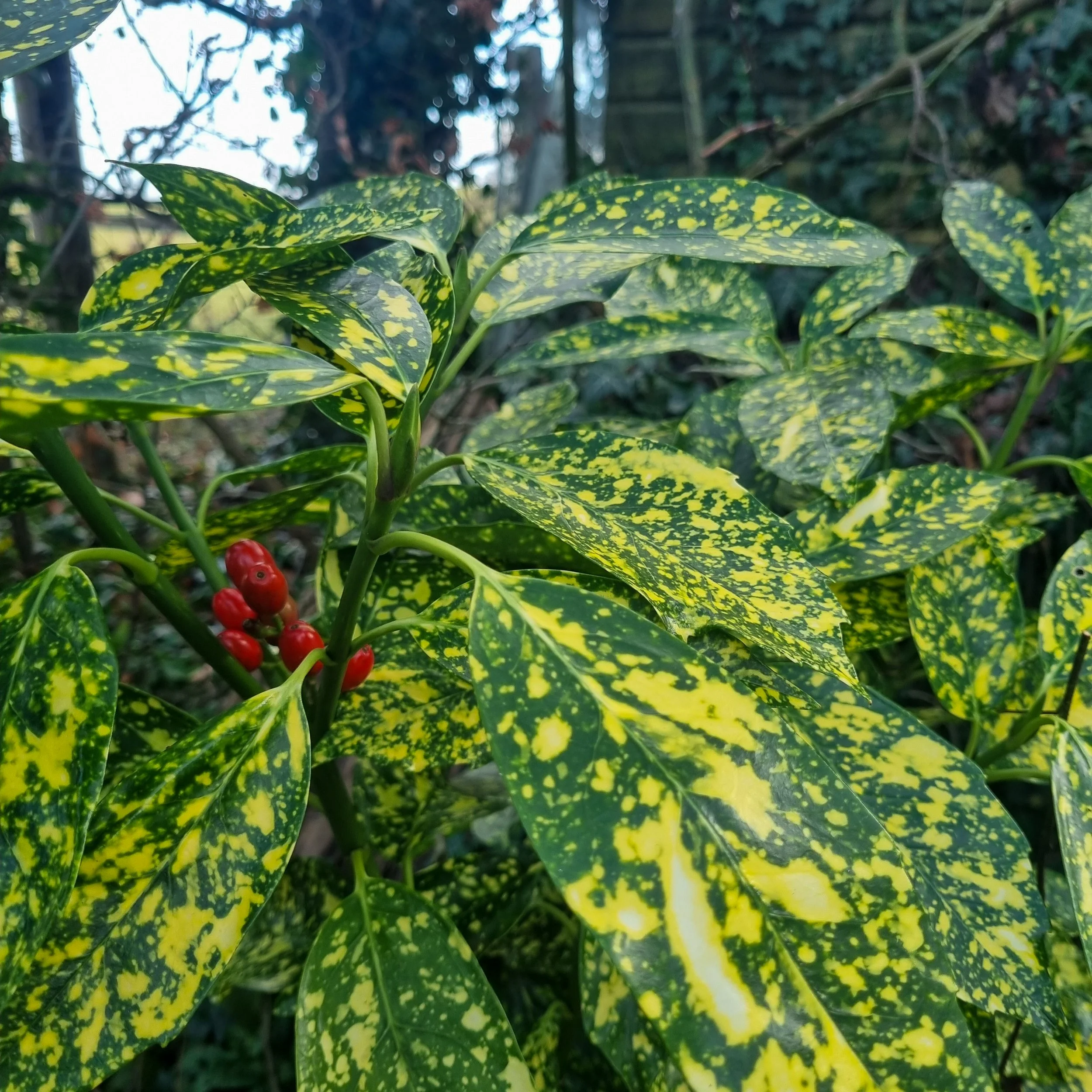
![Aucuba japonica]()
Aucuba japonica
-
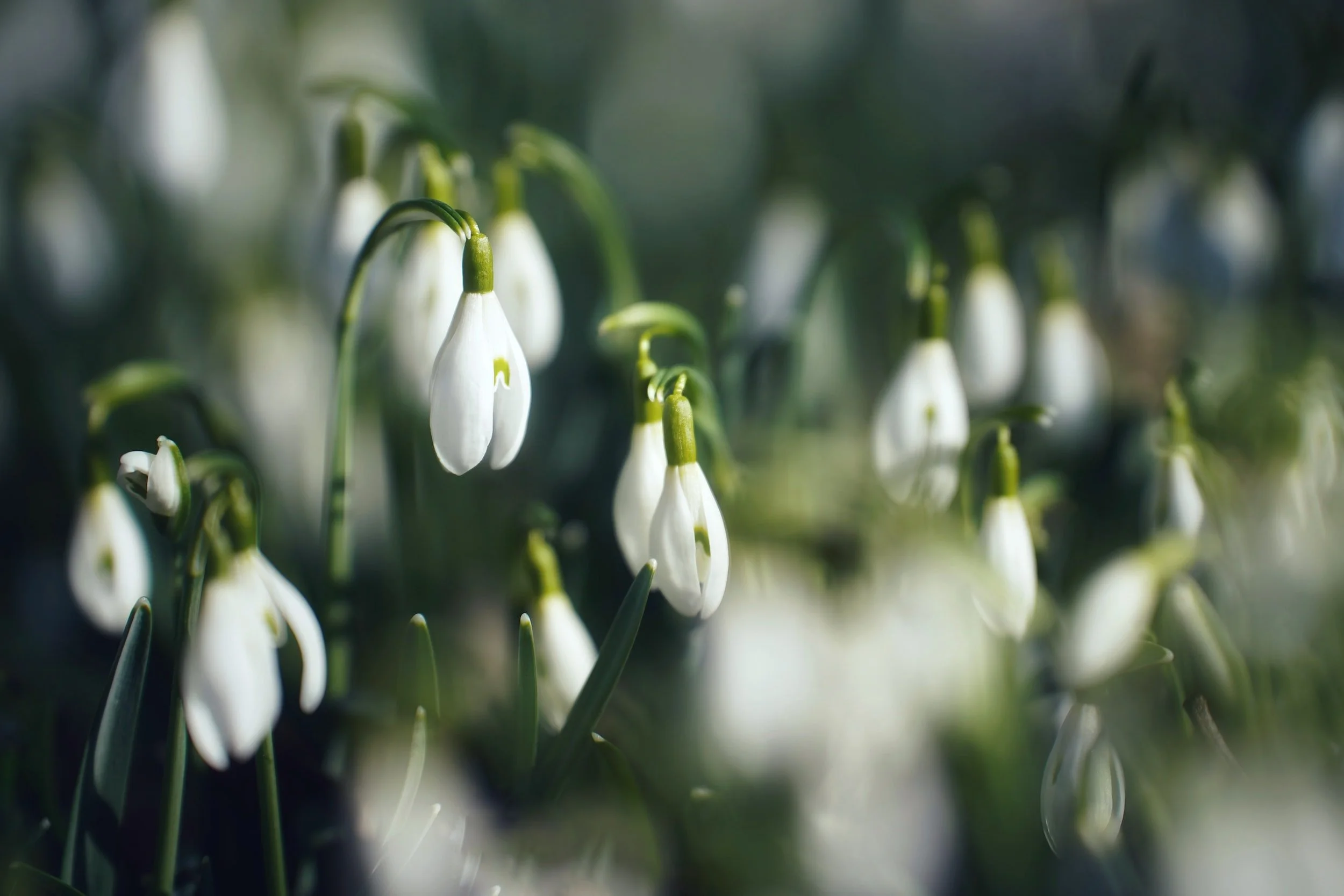
![]()
Galanthus nivalis