JULY in the garden
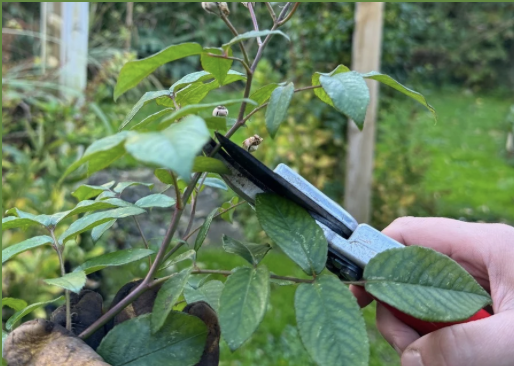
1. Deadheading plants
After flowers begin to start looking dead or past their best deadheading is cutting off the old flowers to encourage new flowers ensuring that they are always looking their best.
2. Raising height on mower
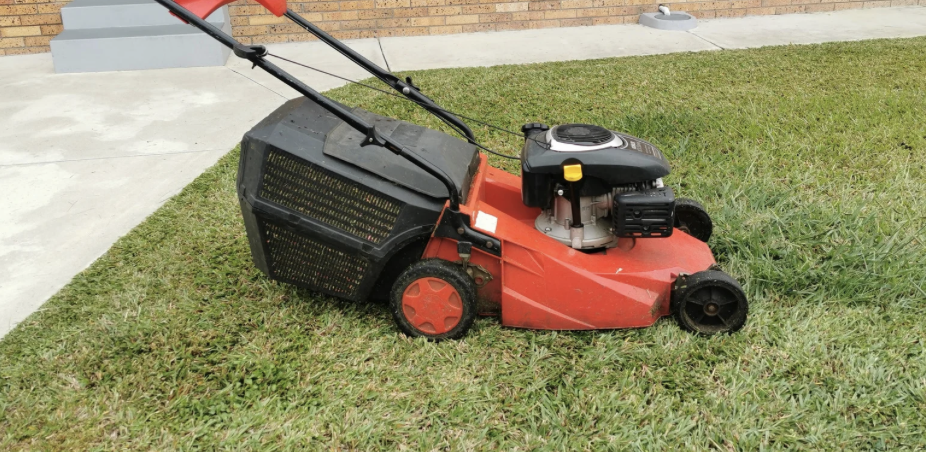
In extremely hot weather, raising the height of your mower can make a big difference to the health of your lawn.
Longer grass helps shade the soil, reducing moisture loss and protecting the roots from heat stress. It also encourages deeper root growth, making the lawn more resilient during dry periods.
Cutting too short in hot conditions can weaken the grass and leave it more vulnerable to drought and damage, so letting it grow a little longer will help keep your lawn greener and healthier through the summer.
3. Apple and pear scab
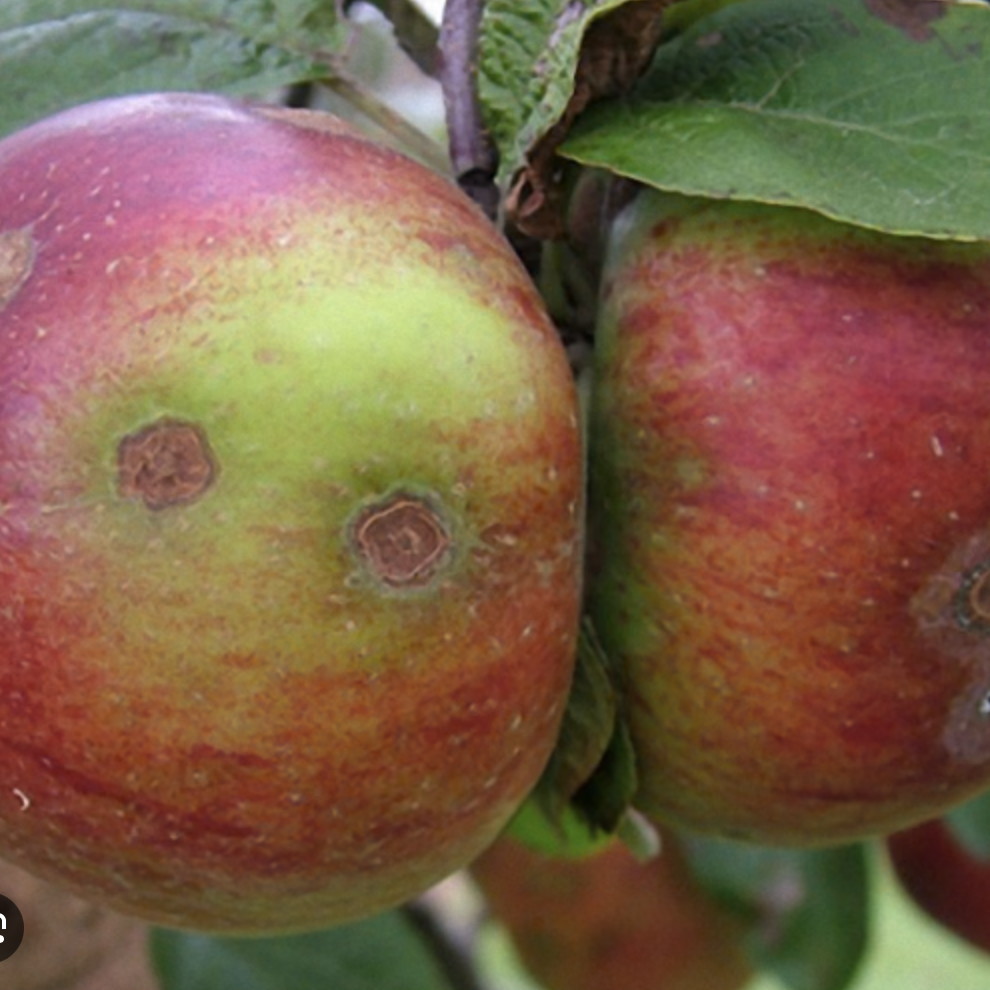
Apple and pear scab are fungal diseases, these present as dark scabby marks on both the leaves and the fruit. To best treat this it is importance to remove any diseased leaves and fruit from the ground and tree. If using chemicals it is important that the chemicals are targeted to ensure they do not kill anything else.

Helianthus annuus
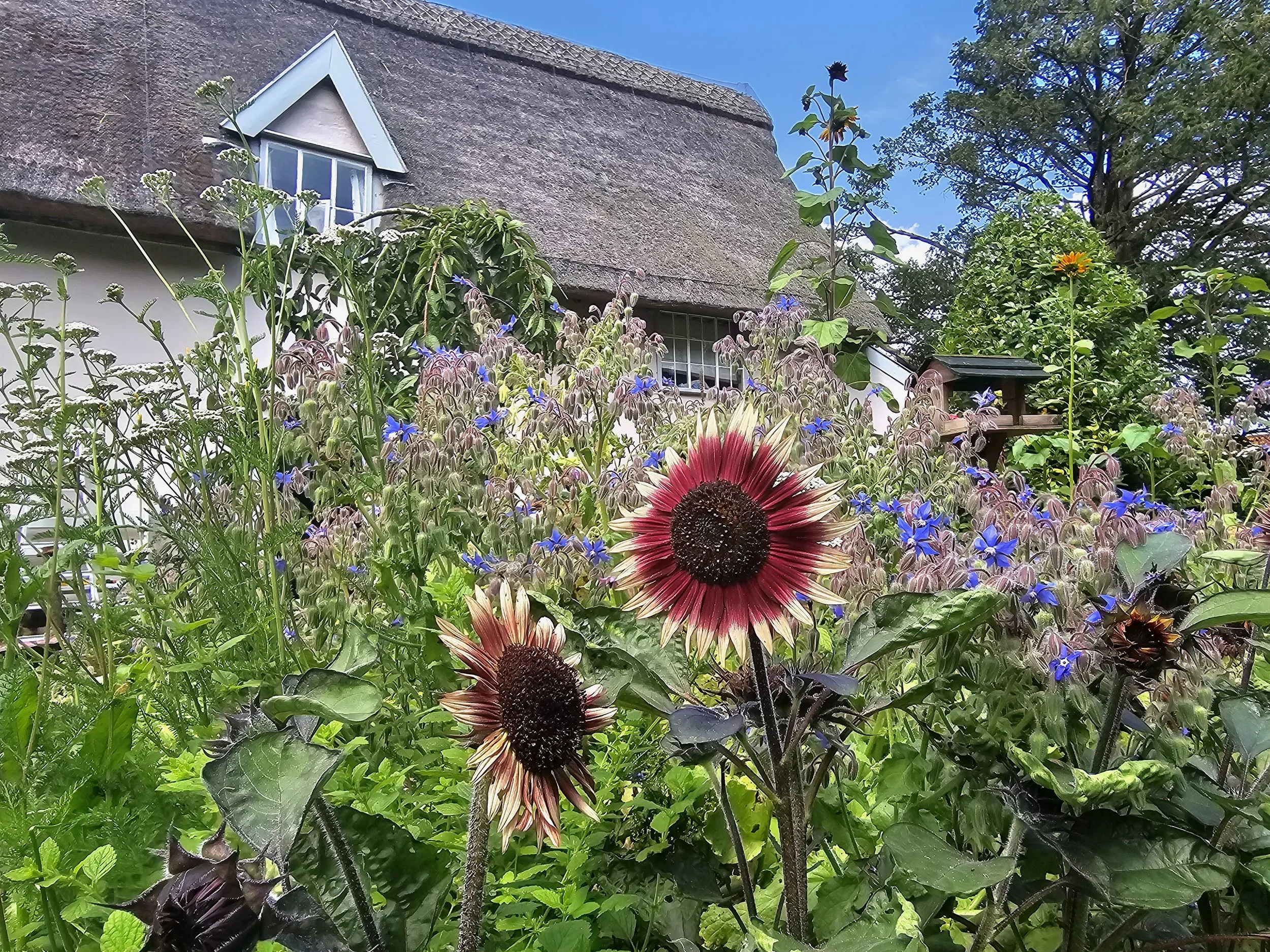
Helianthus annuus, commonly known as the sunflower, is a tall annual plant with large, bright yellow petalssurrounding a dark central disc. It can grow several feet high, turning its broad flower heads toward the sun as they mature. In the garden, it brings bold color, height, and a cheerful presence, while attracting bees and birds and producing edible seeds.
genus Centaurea
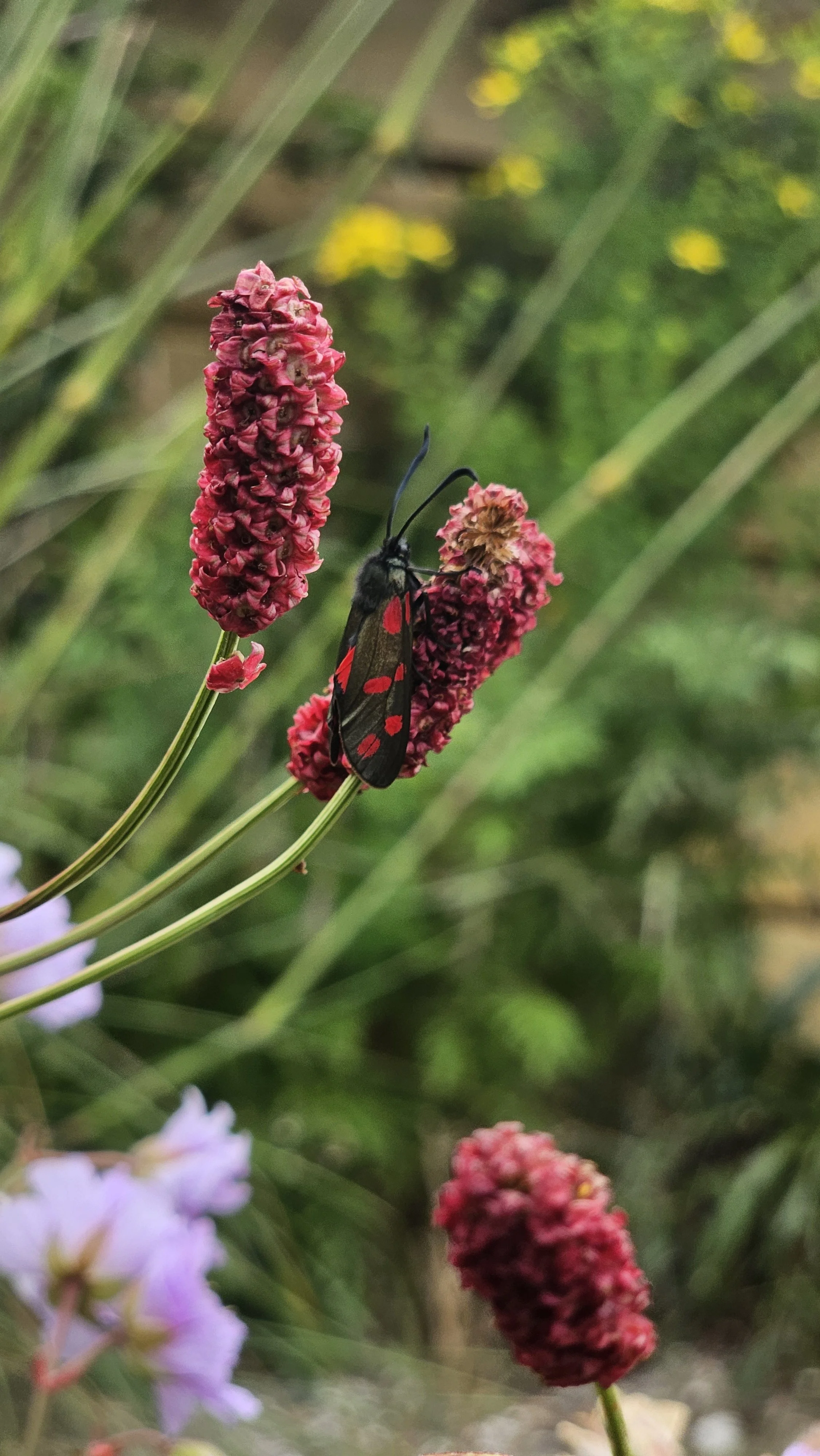
Knapweed is a hardy wildflower with thistle-like blooms in shades of purple, pink, or occasionally white, perched on slender, branching stems. Its flowers are rich in nectar, making it especially attractive to bees and butterflies throughout summer. In the garden or meadow, knapweed brings a natural, meadow-like feel, long-lasting color, and strong support for pollinators.
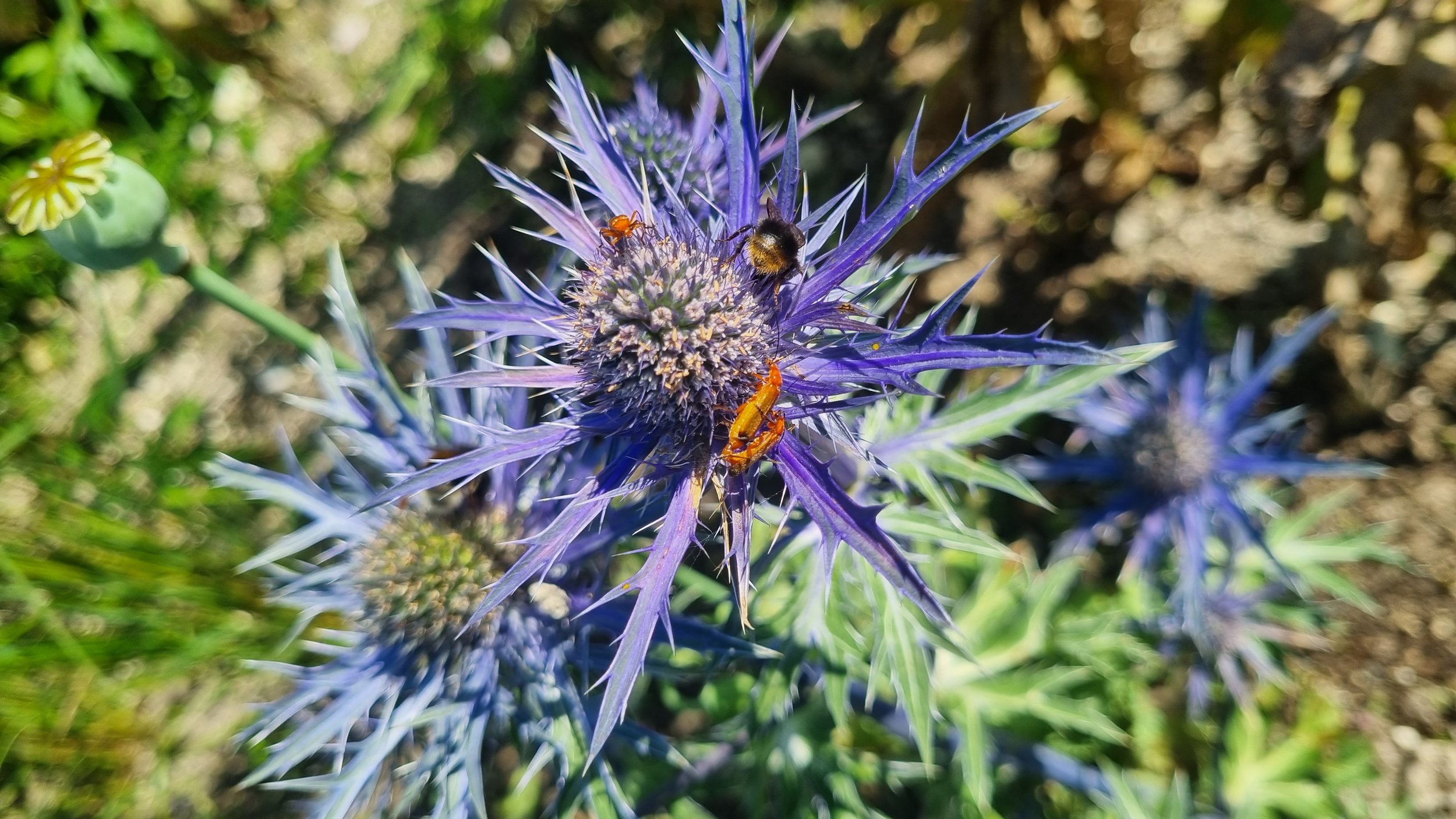
Eryngium planum
Eryngium planum, commonly known as sea holly, is a striking perennial with metallic blue, thistle-like flower headssurrounded by spiky bracts. Its upright, branching stems and silvery-green foliage give it a bold, architectural presence in summer borders. In the garden, it adds dramatic texture, drought tolerance, and strong attraction for bees and pollinators, while also working beautifully in dried flower arrangements.
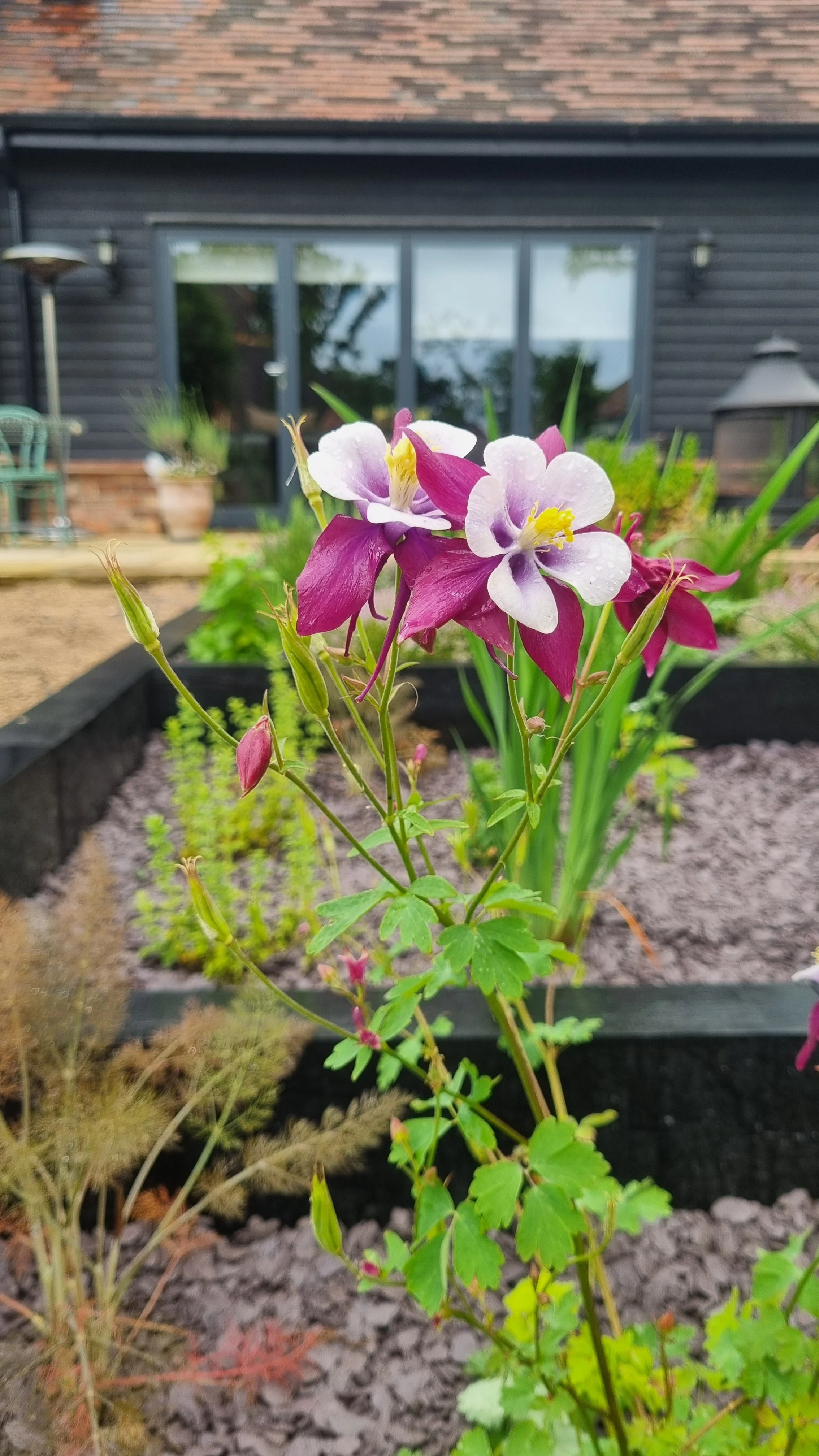
Prunus cerasus
Prunus cerasus, commonly known as the sour cherry, is a deciduous tree that produces clusters of delicate white to pale pink blossoms in early spring. These fragrant flowers appear before the leaves fully develop, creating a striking display. In the garden, it brings springtime beauty, supports pollinators, and later provides tart, edible cherries for cooking and preserves.
PLANTS FOR WINTER INTEREST
-
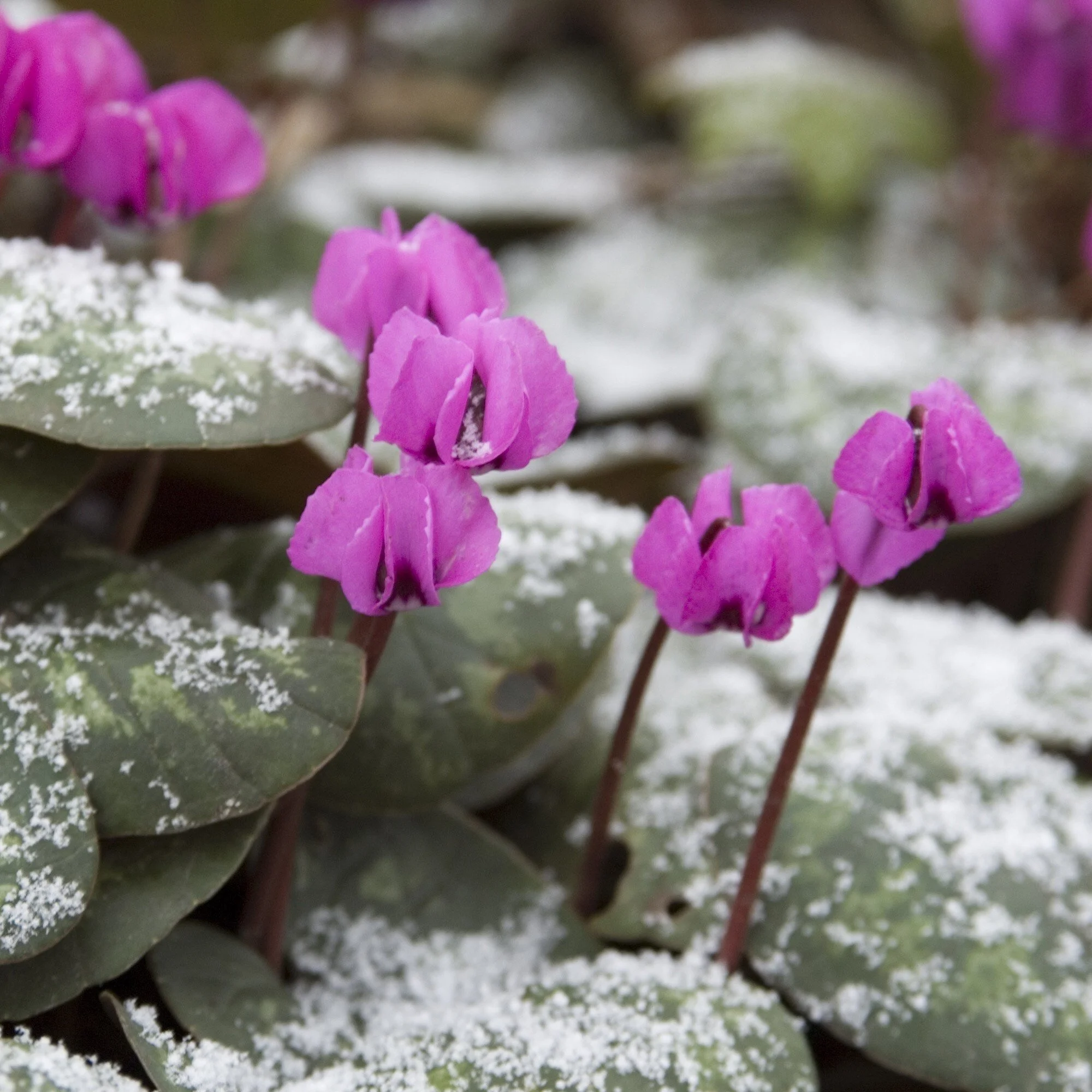
![Cyclamen coum]()
Cyclamen coum
-
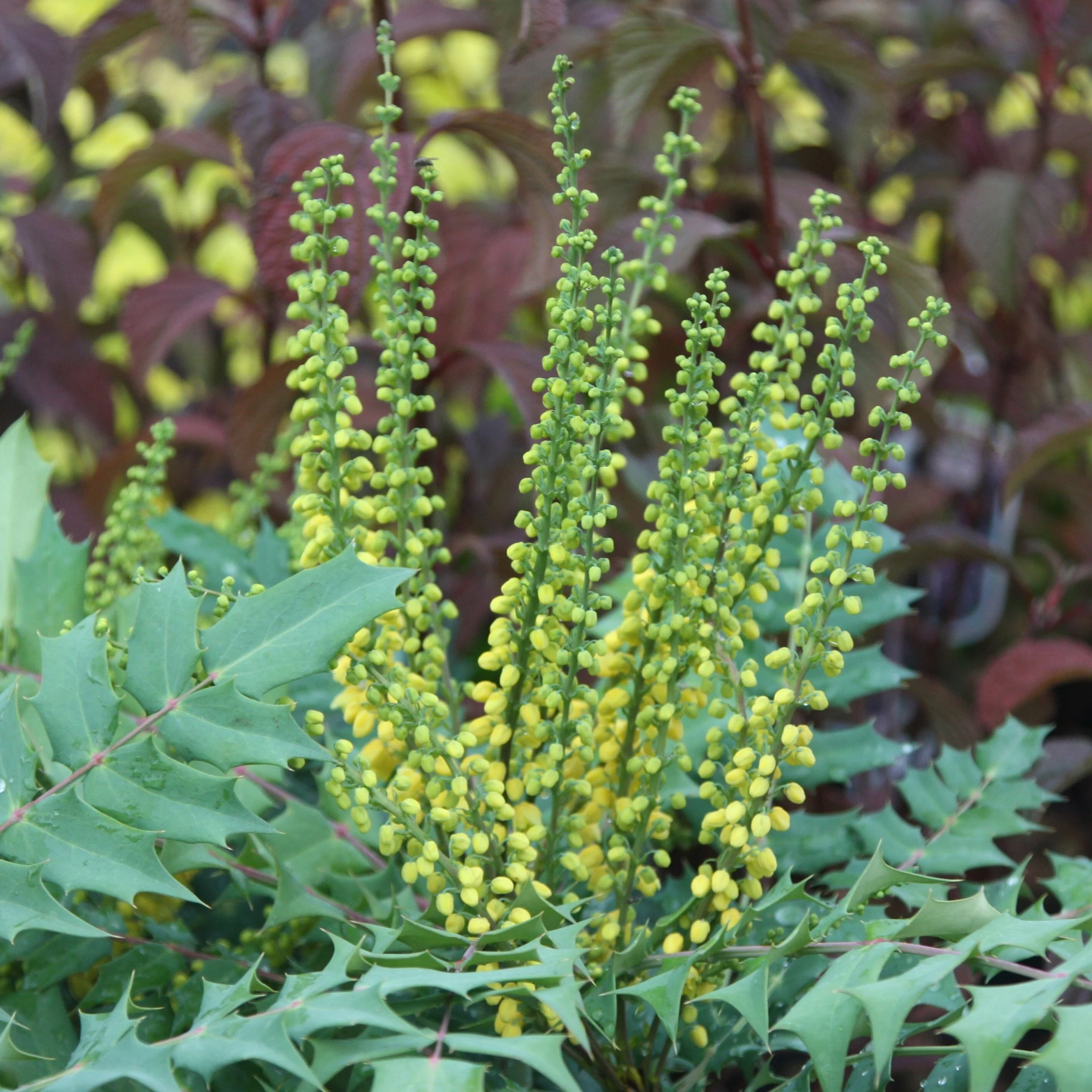
![]()
Mahonia × media 'Winter Sun'
-
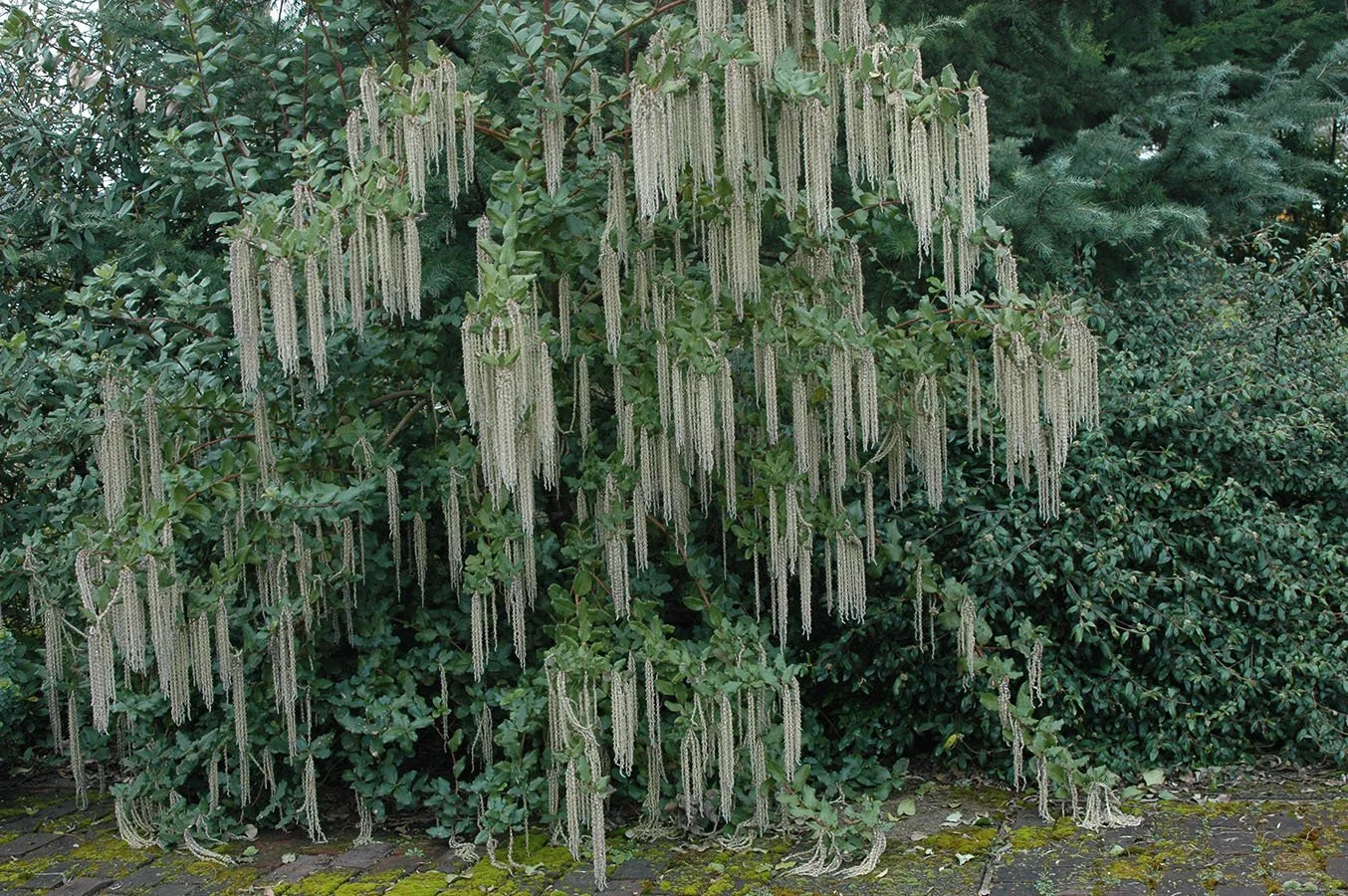
![]()
Garrya elliptica 'James Roof'
-
![Cornus sanguinea 'Midwinter Fire']()
Cornus sanguinea 'Midwinter Fire'
-
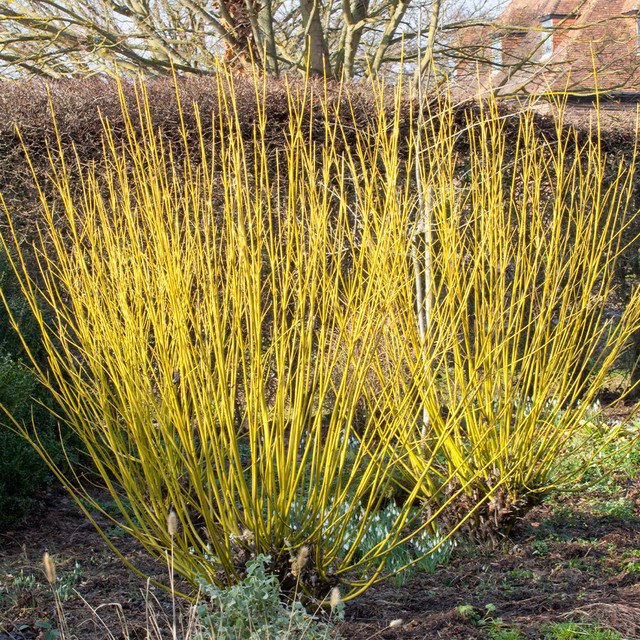
![Cornus sericea 'Flaviramea']()
Cornus sericea 'Flaviramea'
-
![Cornus alba 'Sibirica']()
Cornus alba 'Sibirica'
-
![Hamamelis × intermedia 'Jelena']()
Hamamelis × intermedia 'Jelena'
-
![Viburnum × bodnantense 'Dawn']()
Viburnum × bodnantense 'Dawn'
-
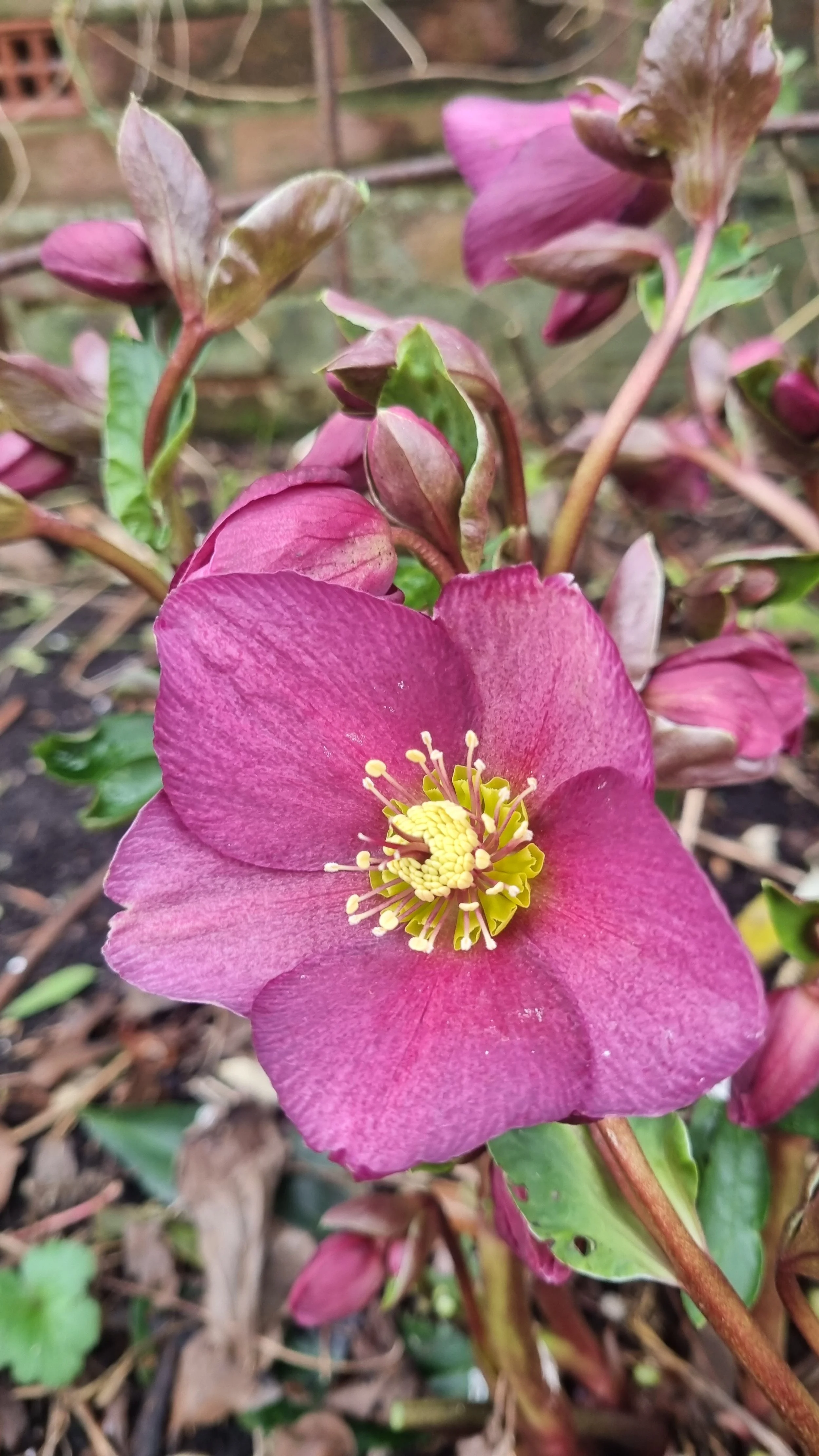
![Helleborus]()
Helleborus
-
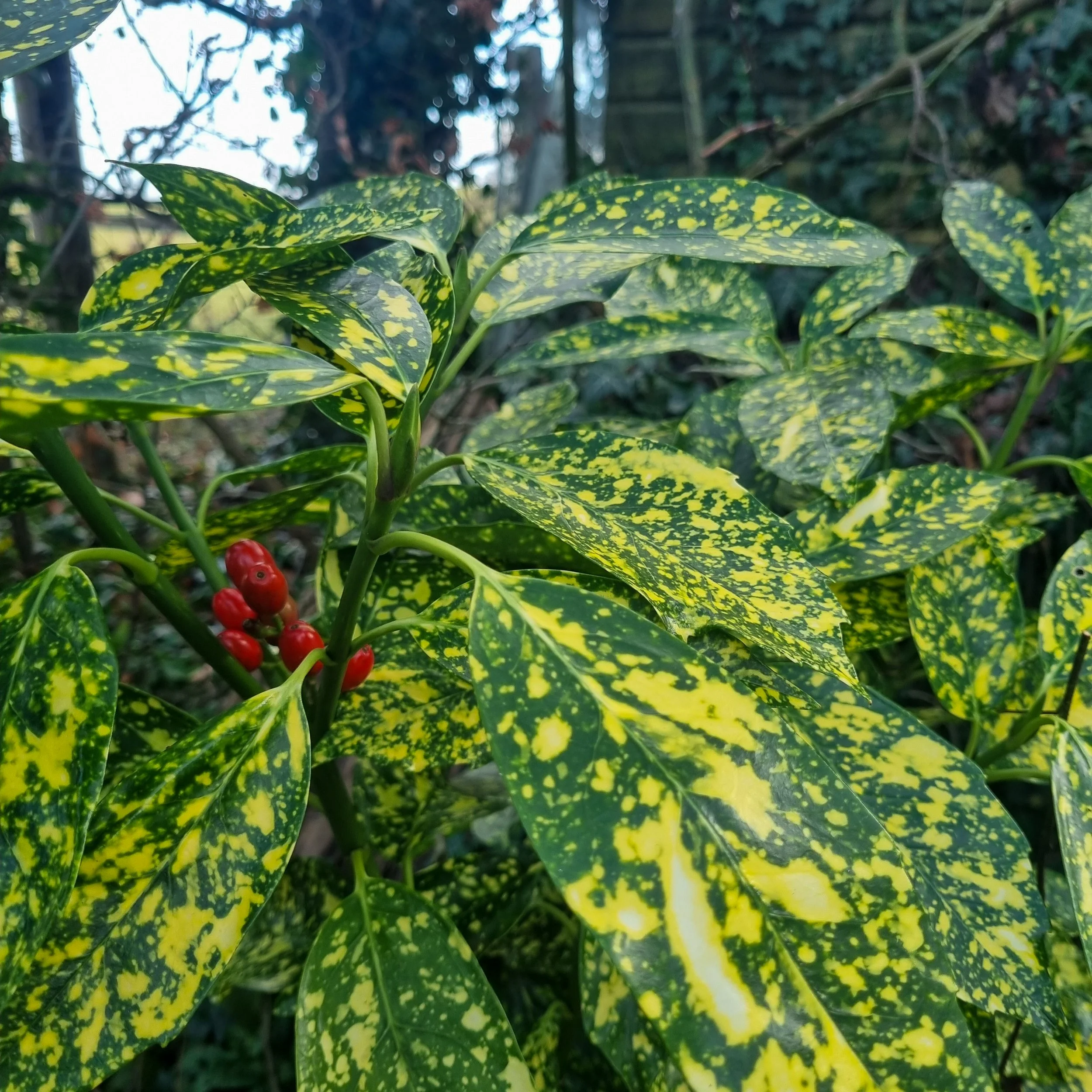
![Aucuba japonica]()
Aucuba japonica
-
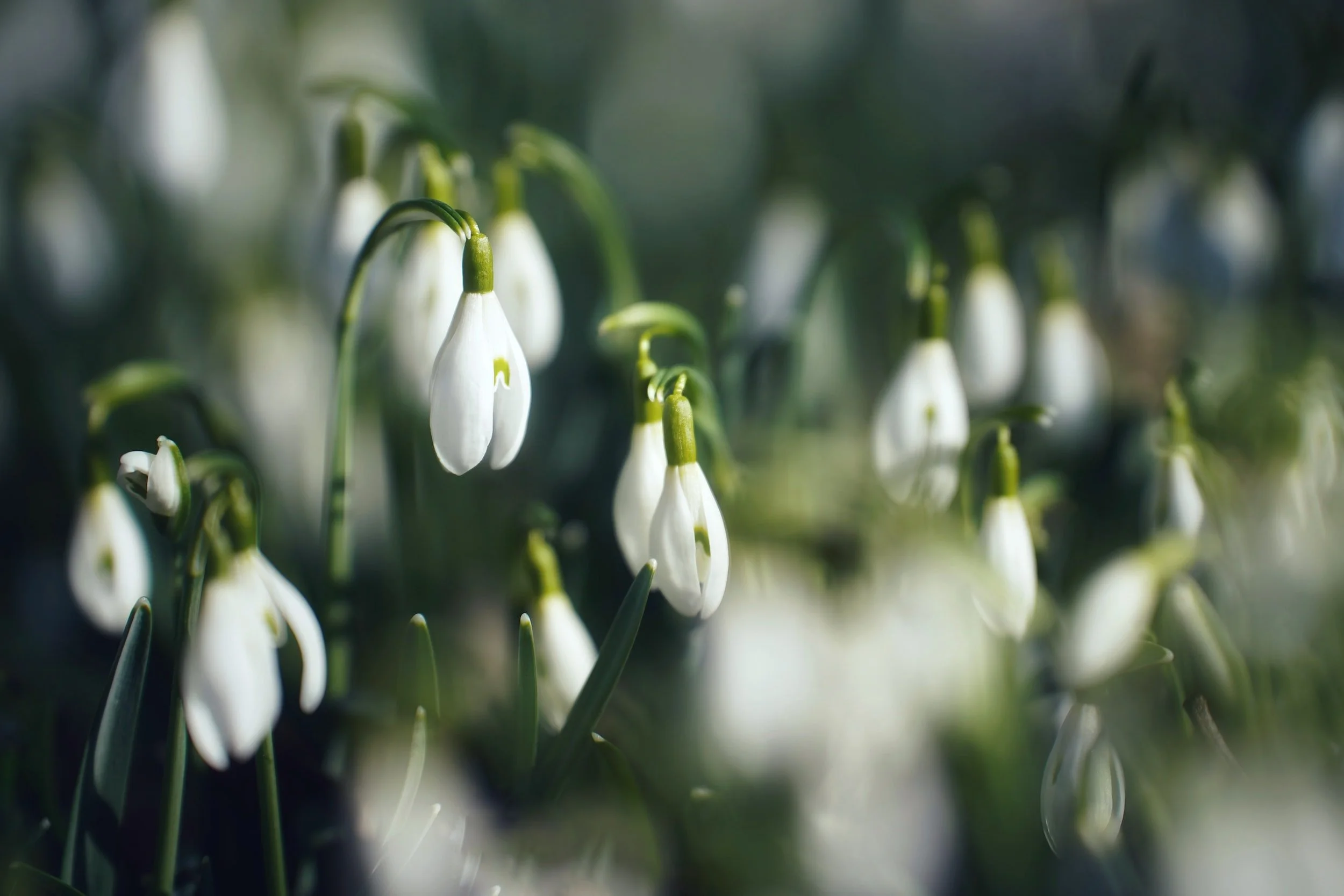
![]()
Galanthus nivalis